Les Milles
1995
No user ratings available yet
Representation score: 5.6 out of 10
Representation Score
Limited
2018
RDirector
Konstantin Khabenskiy
Runtime
110 minutes
Average Rating
No ratings yetNew Showbiz Analysis
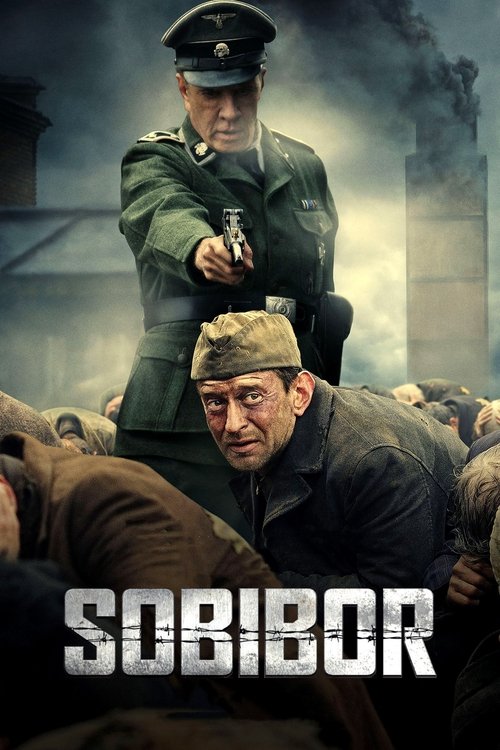
Sobibor is a powerful historical reconstruction that centers on the reclamation of ability to act by a persecuted group. By focusing on the Jewish-Soviet resistance, the film provides actively leading representation for ethnic and religious minorities facing systemic genocide. However, the film remains bound by traditional cinematic structures. It lacks LGBTQ+ visibility and adheres to a male-dominated wartime hierarchy, which limits its breadth of representation. Ultimately, the film's strength lies in its ability to use a specific historical conflict to critique oppressive power structures and highlight the struggle of an ethnic group against a dominant, genocidal force.
Category Breakdown
The film focuses strictly on the historical realities of the Holocaust. There are no identifiable LGBTQ+ characters or explorations of non-straight relationships.
The narrative follows a traditional, male-centric wartime structure. Women play minor roles compared to the male characters, such as Alexander Pechersky.
The film excels by centering a Jewish-Soviet protagonist. It provides a nuanced look at ethnic persecution and gives a significant role in driving the story to Jewish prisoners fighting a genocidal regime.
The story critiques the cruelty of the Nazi state through the lens of prisoner survival. It frames the uprising as a necessary rejection of an oppressive social order.
There is no significant focus on visible or invisible disabilities as a central narrative element in this historical reconstruction.
Present on Screen
Limited or Absent
Official Synopsis
The film is based on a real story that happened in 1943 in the Sobibor concentration camp in German-occupied Poland. The main character of the movie is the Soviet-Jewish soldier Alexander Pechersky, who at that time was serving in the Red Army as a lieutenant. In October 1943, he was captured by the Nazis and deported to the Sobibor concentration camp, where Jews were being exterminated in gas chambers. But, in just 3 weeks, Alexander was able to plan an international uprising of prisoners from Poland and Western Europe. This uprising resulted in being the only successful one throughout the war, which led to the largest escape of prisoners from a Nazi concentration camp.
1995
1987
1994
2009

2006

2024
1974

2021
No reviews yet. Be the first to share your thoughts on this movie!
Use the rating form above to leave a star rating and optional review.