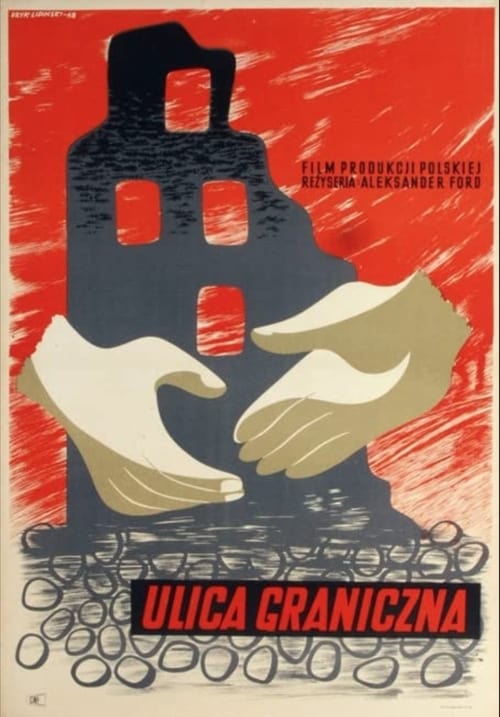
Border Street
1949
No user ratings available yet
Representation score: 6.9 out of 10
Representation Score
Limited
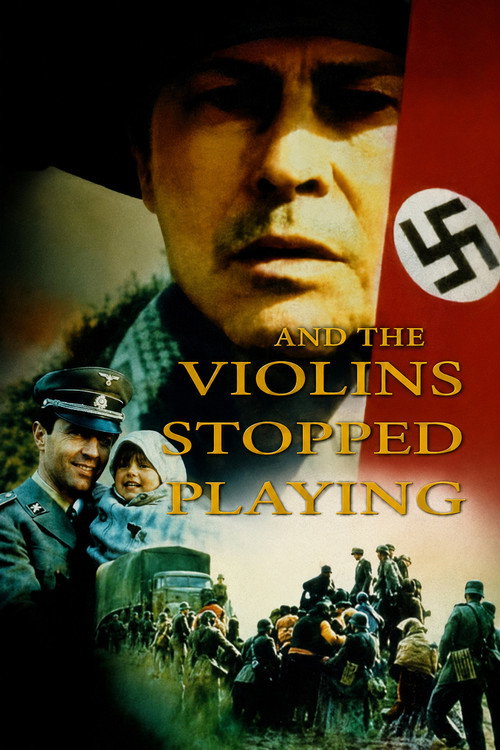
1988
Director
Alexander Ramati
Runtime
116 minutes
Average Rating
No ratings yetNew Showbiz Analysis
And the Violins Stopped Playing stands out by focusing on the Romani experience during World War II. By highlighting a 'forgotten holocaust,' the film moves away from Eurocentric wartime narratives to emphasize a historically underrepresented group. The film's strength lies in its commitment to historical recovery and its disruption of traditional cinematic hierarchies. It provides a platform for a specific ethnic identity that is frequently excluded from the Western historical canon. However, the available information is limited regarding individual character dynamics. There is no data to determine how gender, disability, or LGBTQ+ identities are integrated into the broader narrative of survival.
Category Breakdown
The film does not provide any information about non-binary or same-sex relationships, so no assessment of LGBTQ+ representation can be made.
There is not enough evidence to evaluate the roles of female characters or the challenge to traditional gender roles. The story focuses on ethnic survival.
The story centers on the Romani experience during World War II, a group often overlooked in mainstream Holocaust cinema. This focus challenges conventional narratives by highlighting a underrepresented ethnic perspective.
The film explores the survival of a specific culture facing genocide. It challenges traditional power structures by framing the narrative around systemic oppression and victimhood.
While the film addresses extreme physical and psychological trauma, there is no specific evidence of disability playing a central role in the story.
Present on Screen
Limited or Absent
Official Synopsis
This is the true story about a group of Romani's (gypsy) in occupied Poland during World War II as they confront the atrocities and tragedies of a forgotten holocaust.
1949
2009

2006
1959
2018

1970

2005
2001
No reviews yet. Be the first to share your thoughts on this movie!
Use the rating form above to leave a star rating and optional review.