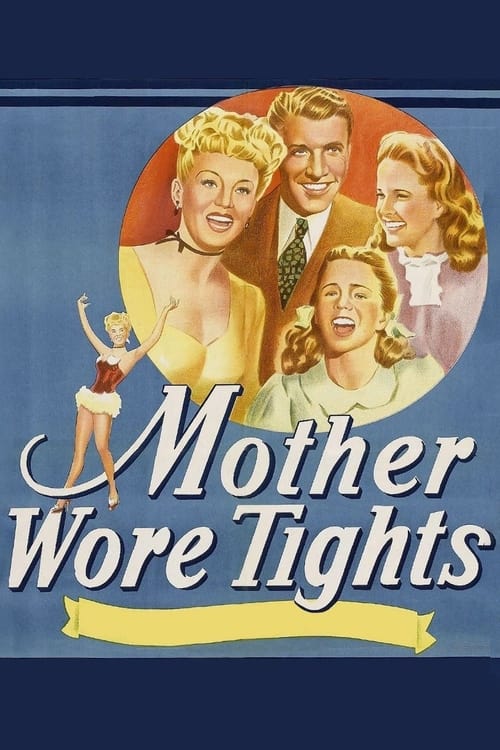
Mother Wore Tights
1947
No user ratings available yet
Diversity score: 1.9 out of 10

1936
NRDirector
Sidney Lanfield
Runtime
90 minutes
Average Rating
No ratings yetSynopsis
The "Caliban-Ariel" romance of fiftysomething John Barrymore and teenager Elaine Barrie is spoofed in this delightful 20th Century Fox musical. Adolphe Menjou plays the Barrymore counterpart, a loose-living movie star with a penchant for wine, women, and more wine. Alice Faye plays a nightclub singer hungry for publicity. Her agent (Gregory Ratoff) arranges a "romance" between Faye and Menjou. Eventually Faye winds up with Michael Whalen, allowing Menjou to continue his blissful, bibulous bachelorhood. Sing, Baby, Sing represented the feature-film debut of the Ritz Brothers, who are in top form in their specialty numbers--and who are awarded a final curtain call after the "The End" title, just so the audience won't forget them (The same device was used to introduce British actor George Sanders in Fox's Lancer Spy [37]).
Overall Score
Minimal
Category Breakdown
LGBTQ+ Representation
The film follows a conventional romantic trajectory centered on a manufactured heteronormative pairing. There are no depictions of non-cisnormative identities or narratives that challenge the era's social mores.
Gender Representation
Alice Faye’s character shows professional ambition, yet her romantic agency is controlled by a male agent. While the male lead avoids the 'stable leader' trope, power dynamics remain rooted in patriarchal structures.
Racial & Ethnic Diversity
The cast reflects the homogeneous casting norms of the mid-1930s studio system. The film features a predominantly white, Anglo-Saxon cast with no documented non-white protagonists.
Religious & Cultural Diversity
This musical serves as quintessential escapist entertainment centered on the pursuit of fame. It adheres to traditional 1930s social frameworks without offering anti-capitalist or secularist critiques.
Disability Representation
The narrative focuses on able-bodied performers. There is no evidence of characters with visible or invisible disabilities being integrated into the story.
Strengths
Areas for Improvement
AI Analysis
Sing, Baby, Sing is a product of the 1930s studio system designed for escapism rather than social commentary. The film relies heavily on established genre tropes and reinforces the era's existing social hierarchies. The narrative architecture prioritizes traditional romantic structures and professional ambition within a white-dominated entertainment industry. It lacks any intentionality regarding intersectional representation or the disruption of standard social norms. Ultimately, the film functions as a period-typical musical that maintains the status quo of its time through conventional casting and character dynamics.
1947
1929

1929

1946
1932
1944
1934
1935
1946
1939
1930
1931
No reviews yet. Be the first to share your thoughts on this movie!
Use the rating form above to leave a star rating and optional review.