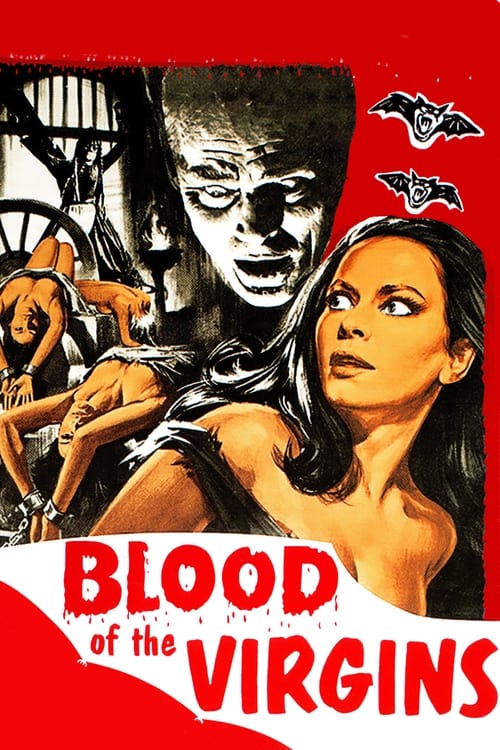
Blood of the Virgins
1967
No user ratings available yet
Diversity score: 2.5 out of 10

1970
RDirector
Claude Mulot
Runtime
94 minutes
Average Rating
No ratings yetSynopsis
Frédéric Lansac, an artist and botanist, has a wild affair with party girl Moira, but throws her over when he meets the lovely Anne. Frédéric and Anne marry, but tragedy strikes when Moira shows up at the wedding party and makes a scene, causing Anne to fall into a bonfire. Frédéric and Anne lock themselves up in his mansion with his servants, a pair of mute dwarves. Anne, needless to say, becomes bitter and demanding. Frédéric tells everyone Anne has died, then on the sly, hires a nurse to look after her.
Overall Score
Limited
Category Breakdown
LGBTQ+ Representation
The story centers on a conventional heterosexual romantic triangle. There is no evidence of non-cisnormative identities or critiques of heteronormativity within the plot.
Gender Representation
Anne breaks the trope of the passive female lead by transitioning from a lovely bride to a bitter, demanding figure. Her temperament shifts the household power dynamics.
Racial & Ethnic Diversity
The setting appears to follow a homogeneous, traditional Western social structure. There is no indication of ethnic blending or diverse casting in the ensemble.
Religious & Cultural Diversity
The film explores complex, survivalist ethics through Frédéric's deception. However, the setting remains rooted in traditional Western institutions like marriage and the mansion.
Disability Representation
The inclusion of mute dwarves as servants establishes a marginalized social position. It remains unclear if they possess narrative agency or serve as atmospheric devices.
Strengths
Areas for Improvement
AI Analysis
The Blood Rose operates within a largely traditional framework, leaning heavily on established Western social hierarchies. While it avoids some clichés by presenting a fractured, non-idealized female protagonist, the narrative remains tethered to heteronormative romantic structures. Diversity is limited by a lack of ethnic variety and a reliance on conventional social roles. The characters exist within a rigid, European-coded setting that prioritizes psychological tragedy over systemic or cultural exploration. Ultimately, the film functions as a standard psychological horror piece. It offers slight subversions of gendered expectations but fails to provide meaningful representation for LGBTQ+ or diverse ethnic identities.
1967
1970
1988
1972
1981
1982

1999
1983
1964
1974
1979
1975
No reviews yet. Be the first to share your thoughts on this movie!
Use the rating form above to leave a star rating and optional review.