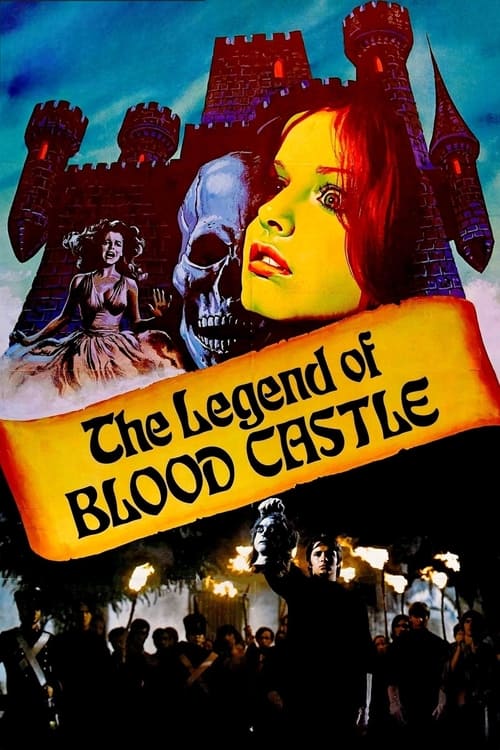
The Legend of Blood Castle
1973
No user ratings available yet
Diversity score: 2.8 out of 10
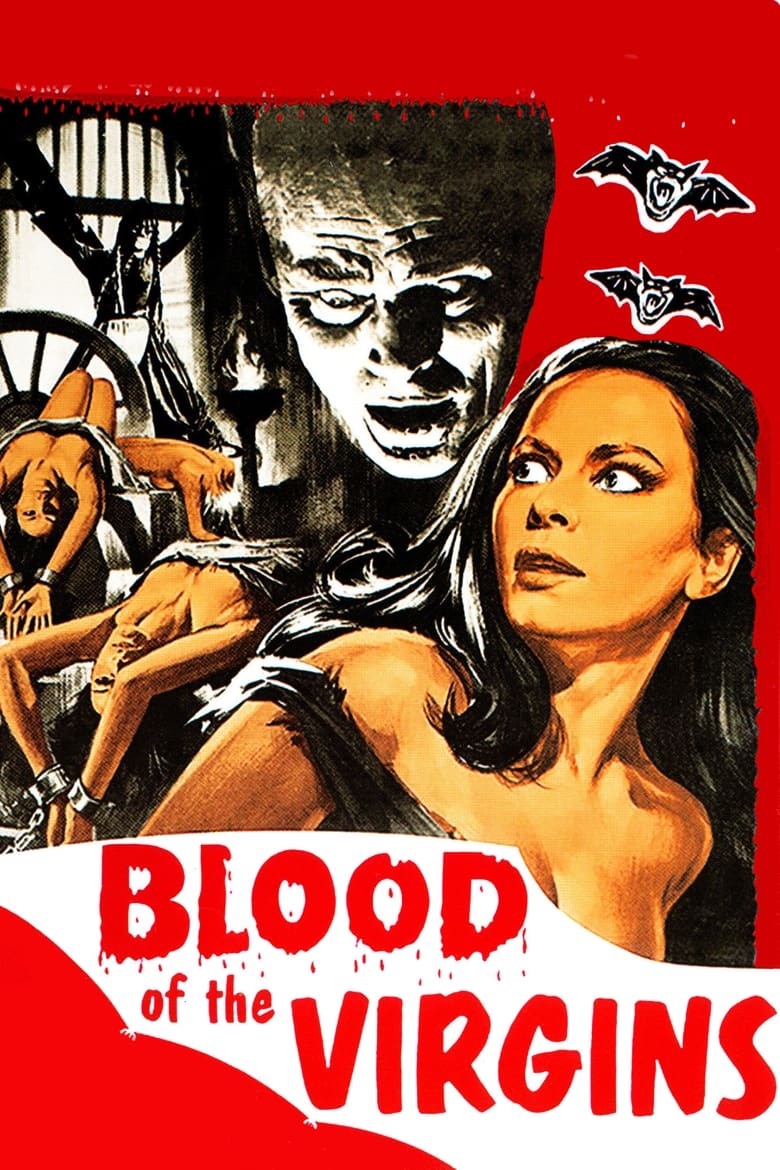
1967
Director
Emilio Vieyra
Runtime
72 minutes
Average Rating
No ratings yetSynopsis
Ofelia's wedding day is approaching and she is to be married to Eduaurdo. She has some pre-wedding jitters during a meeting with her lover Gustavo but decides to tie the knot anyways. On her wedding night, Gustavo shows up in their room, murders Eduardo, and proceeds to turn Ofelia into a vampire so that they can be together forever. In the present day 1960's, a group of young men and women take shelter in an abandoned lodge after their van breaks down. Soon, Ofelia appears and seduces one of the guys and meanwhile the girls go missing. It is up to the other guys to figure out what is happening and Ofelia must make a decision as to how much longer she can continue with her cursed life.
Overall Score
Limited
Category Breakdown
LGBTQ+ Representation
The film adheres to the conventional gender binaries of 1960s horror. There is no evidence of non-cisnormative identities or narratives that critique heteronormativity.
Gender Representation
The narrative centers on the victimization of female characters, specifically targeting 'virgins.' This reinforces tropes where women are passive subjects of violence rather than active agents.
Racial & Ethnic Diversity
The film lacks significant racial intersectionality. It likely reflects the homogeneous casting practices prevalent in mid-century genre cinema, prioritizing standard period archetypes.
Religious & Cultural Diversity
The story operates within established horror tropes that often rely on traditional morality. It lacks significant anti-Western or secularist critiques.
Disability Representation
There is no discernible focus on neurodivergence or physical disabilities. Characters function as standard genre archetypes without disability serving as a central theme.
Strengths
Areas for Improvement
AI Analysis
Blood of the Virgins is a product of its specific cinematic era and genre constraints. The film functions as a conventional horror piece that prioritizes established tropes over the subversion of social hierarchies. The narrative architecture relies heavily on the victimization of women, utilizing a traditional gender hierarchy common to early slasher subgenres. This focus on vulnerability reinforces a predatory power dynamic rather than character agency. Overall, the film lacks the intentionality required to disrupt social or gendered norms, reflecting the homogeneous casting and moral frameworks of 1960s genre cinema.
1973
1972
1967
1981
1972
1973
1969
1964
1961
1962
1988
1964
No reviews yet. Be the first to share your thoughts on this movie!
Use the rating form above to leave a star rating and optional review.