Baron Blood
1972
No user ratings available yet
Diversity score: 2.2 out of 10
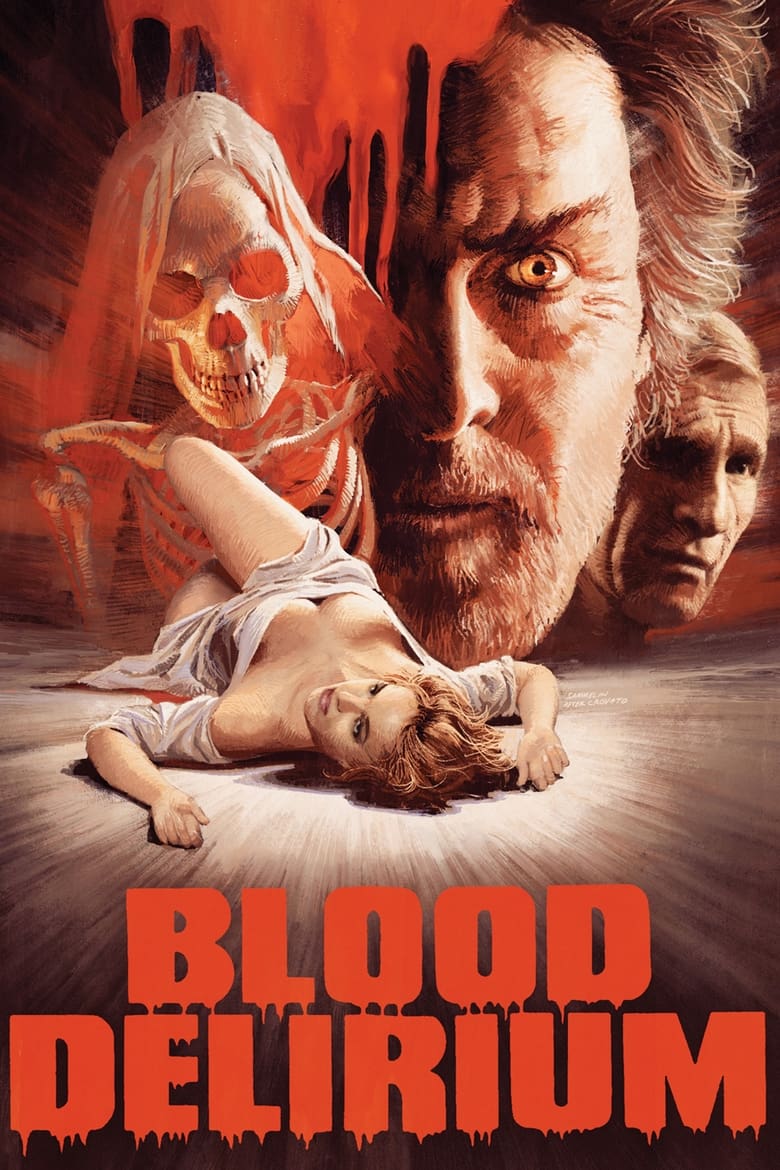
1988
Director
Sergio Bergonzelli
Runtime
90 minutes
Average Rating
No ratings yetSynopsis
After his beloved wife dies, an unbalanced painter who believes himself to be the reincarnation of Vincent Van Gogh goes over the edge and digs up her corpse--with the help of his necrophiliac butler--to bring it back to his castle and use it for "inspiration". He soon meets a beautiful musician who looks exactly like his late wife and brings her back to his castle. However, she eventually discovers their secret: the butler murders young women, disposes of their bodies and uses their blood--"the color of life"--for the artist's paints.
Overall Score
Limited
Category Breakdown
LGBTQ+ Representation
The film lacks explicit LGBTQ+ identities or non-cisnormative expressions. The central plot focuses on a heteronormative obsession with a deceased wife and her lookalike.
Gender Representation
Female characters function primarily as objects of desire or inspiration for the male protagonist. This reinforces a dynamic where women remain passive subjects rather than autonomous agents.
Racial & Ethnic Diversity
The production features a homogeneous cast with no evidence of diverse casting. The setting and archetypes suggest a traditional Western European focus.
Religious & Cultural Diversity
The story explores individual madness and domestic corruption rather than critiquing Western institutions. It relies on the traditional Western trope of the tortured, romanticized genius.
Disability Representation
Mental instability serves as a primary plot driver for horror. However, the narrative treats neurodivergence as a source of delirium rather than providing a nuanced portrayal.
Strengths
Areas for Improvement
AI Analysis
Blood Delirium is a traditional genre piece that prioritizes atmospheric horror and psychological obsession over intersectional representation. The narrative architecture reinforces conventional hierarchies regarding gender and mental health, functioning within the established tropes of its era. The film relies heavily on established Western archetypes, such as the tortured artist and the passive female muse. These tropes prioritize stylistic expressionism over the subversion of social structures or the inclusion of diverse identities. Ultimately, the work functions as a psychological horror study of individual madness. It does not seek to disrupt social norms, instead focusing on the macabre and the deviant through a narrow, traditional lens.
1972
1982
2008
1970
1970
1993

2009
1970
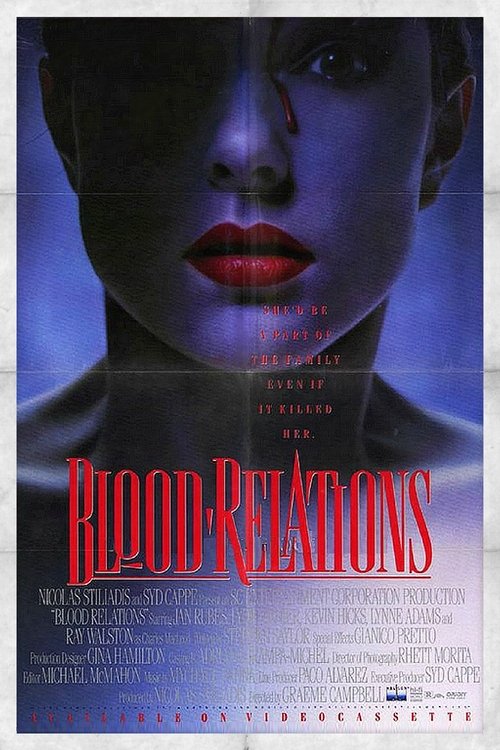
1988
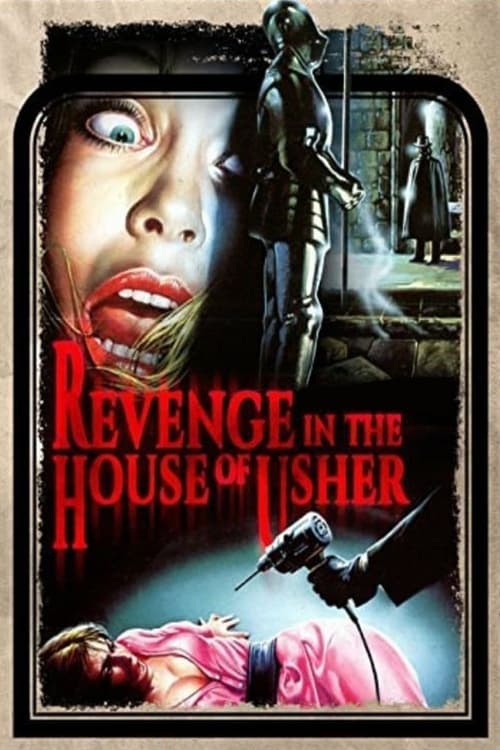
1983
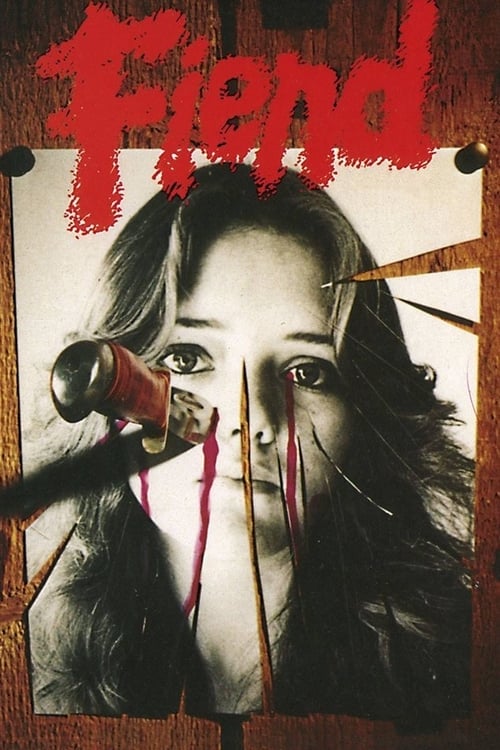
1980
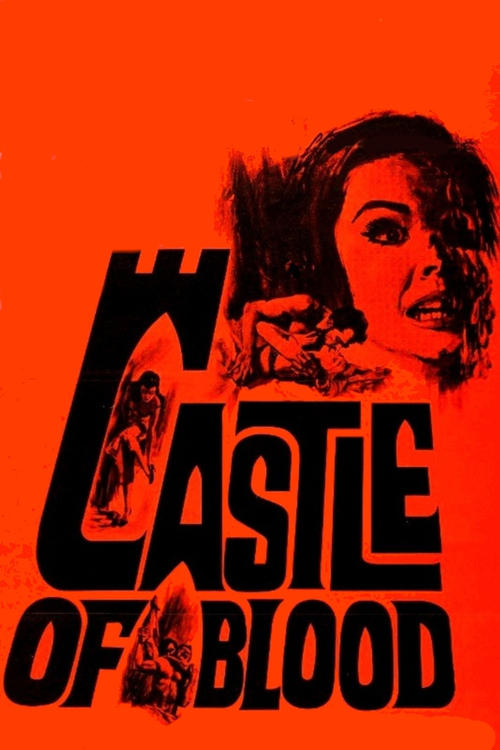
1964
No reviews yet. Be the first to share your thoughts on this movie!
Use the rating form above to leave a star rating and optional review.