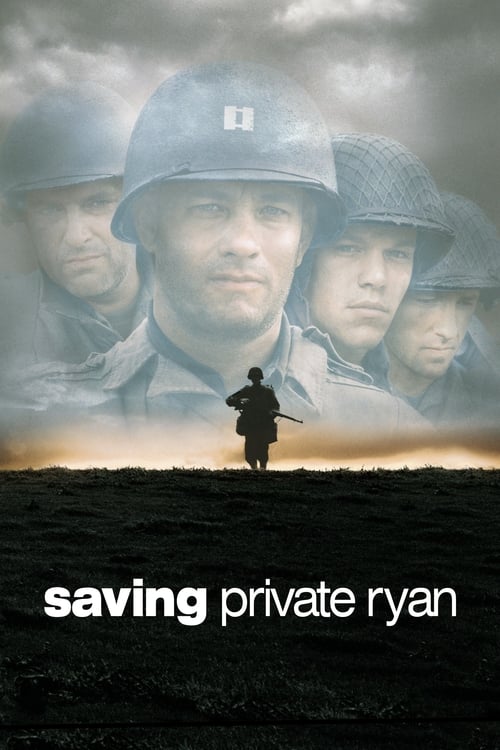
Saving Private Ryan
1998
No user ratings available yet
Representation score: 2.1 out of 10
Representation Score
Limited
2006
RDirector
Clint Eastwood
Runtime
135 minutes
Average Rating
No ratings yetNew Showbiz Analysis
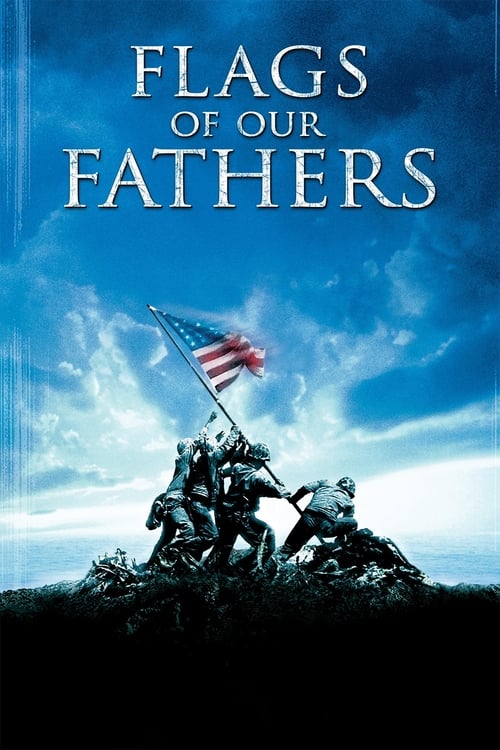
Clint Eastwood's historical drama focuses on the psychological toll of the Iwo Jima campaign. It prioritizes a deconstruction of the 'heroic myth' over the inclusion of diverse social identities. The film examines the gap between media propaganda and the harsh realities of war. While the narrative is intellectually rigorous regarding the human cost of conflict, it remains rooted in conventional demographic structures. The story centers on a specific historical moment that limits the scope for multi-layered representation. Ultimately, the film functions as a study of masculinity and trauma rather than a vehicle for progressive social frameworks. It adheres to the traditionalist, humanist approach characteristic of Eastwood's filmography.
Category Breakdown
The film does not include any representations of LGBTQ+ identities or queer themes. It operates within a social context that assumes everyone is straight and cisgender.
The story focuses on male camaraderie and the burdens of duty. Women are primarily shown as secondary figures or symbols of the domestic sphere.
The cast is predominantly white, reflecting the historical demographics of the Marine unit. It does not prioritize perspectives from non-Anglo-Saxon backgrounds.
The film challenges the heroic myth by contrasting iconic imagery with the trauma of combat. It explores the psychological cost of serving in an institution.
The film portrays the invisible disabilities of trauma and shell shock experienced by soldiers under extreme stress.
Present on Screen
Limited or Absent
Official Synopsis
There were five Marines and one Navy Corpsman photographed raising the U.S. flag on Mt. Suribachi by Joe Rosenthal on February 23, 1945. This is the story of three of the six surviving servicemen - John 'Doc' Bradley, Pvt. Rene Gagnon and Pvt. Ira Hayes - who fought in the battle to take Iwo Jima from the Japanese.
1998
1950
1998
1976
2006
1981
2016
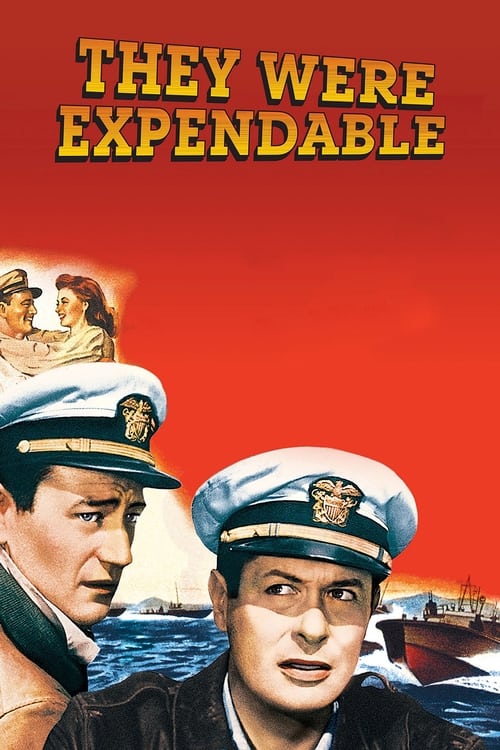
1945
No reviews yet. Be the first to share your thoughts on this movie!
Use the rating form above to leave a star rating and optional review.