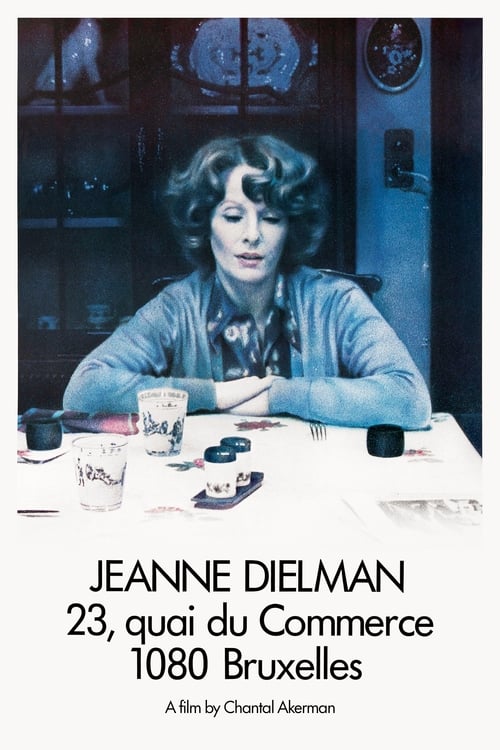
Jeanne Dielman, 23, quai du Commerce, 1080 Bruxelles
1976
No user ratings available yet
Representation score: 5.5 out of 10
Representation Score
Excellent
2014
Director
Anka Sasnal, Wilhelm Sasnal
Runtime
66 minutes
Average Rating
No ratings yetNew Showbiz Analysis
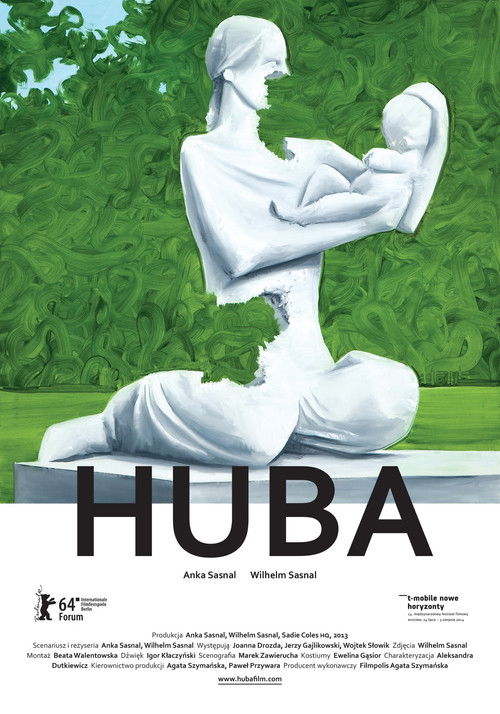
Huba presents a minimalist view of social realism, focusing on the psychological impact of post-industrial life. It stands out by challenging traditional religious and familial archetypes and avoiding simplistic moral resolutions. The film excels in its critique of systemic oppression and its nuanced portrayal of human frailty. It avoids common cinematic clichés related to gender and aging. However, it lacks explicit representation of LGBTQ+ identities and provides limited information about racial or ethnic diversity.
Category Breakdown
The film centers on a trio involving an elderly man, a young mother, and a child. It does not include any explicit LGBTQ+ identities or non-straight relationships.
The story disrupts traditional gender roles by highlighting a female protagonist's precarious position. She is shown as a victim trapped in cycles of dependency rather than a traditional caregiver.
The film's setting after factory work suggests a focus on class-based identity. However, specific details about the ethnic makeup of the cast are not provided.
By presenting characters as a 'Holy Family reversed,' the film critiques religious archetypes. It emphasizes systemic struggles and the dismantling of traditional family sanctity.
The story explores physical and psychological decline through an elderly man's frailty. It avoids sentimentality by depicting aging as a source of systemic and personal struggle.
Present on Screen
Limited or Absent
Official Synopsis
A film about an ailing old man and a young mother. After retiring from the factory, the man, deprived of his daily routine, loses control over his time. Unable to eat or sleep, he starts drying up. The mother and child are like a single organism. Yet their relationship is, for all its closeness, one of dependence and inequality. The child, whose attachment to life is the strongest, is ravenous and needy; the woman, though enjoying a brief moment of freedom, is doomed to be a victim, while the old man has nothing to keep him going now that he can no longer work at the factory. When the three of them try to have a life together, they are like the Holy Family reversed. Brought together by chance, their lives intertwine in a web of oppression. The film follows their daily existence and slow decline.
1976
1970

2014
1994
2008

1999
2015

2019
No reviews yet. Be the first to share your thoughts on this movie!
Use the rating form above to leave a star rating and optional review.