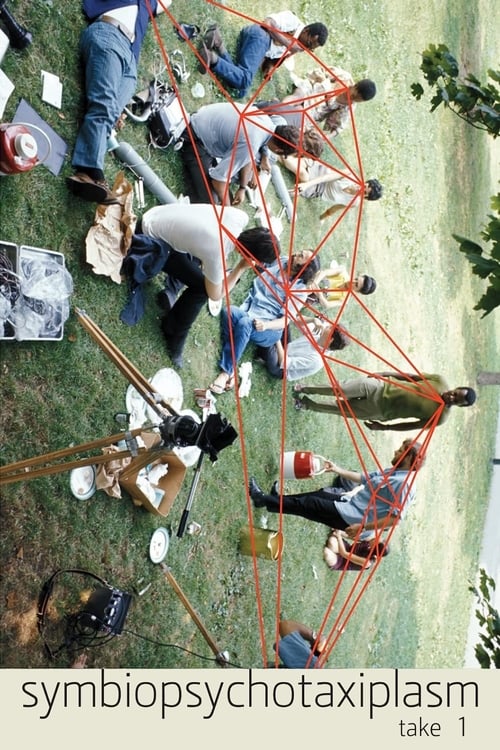
Symbiopsychotaxiplasm: Take One
1968
No user ratings available yet
Diversity score: 6.7 out of 10
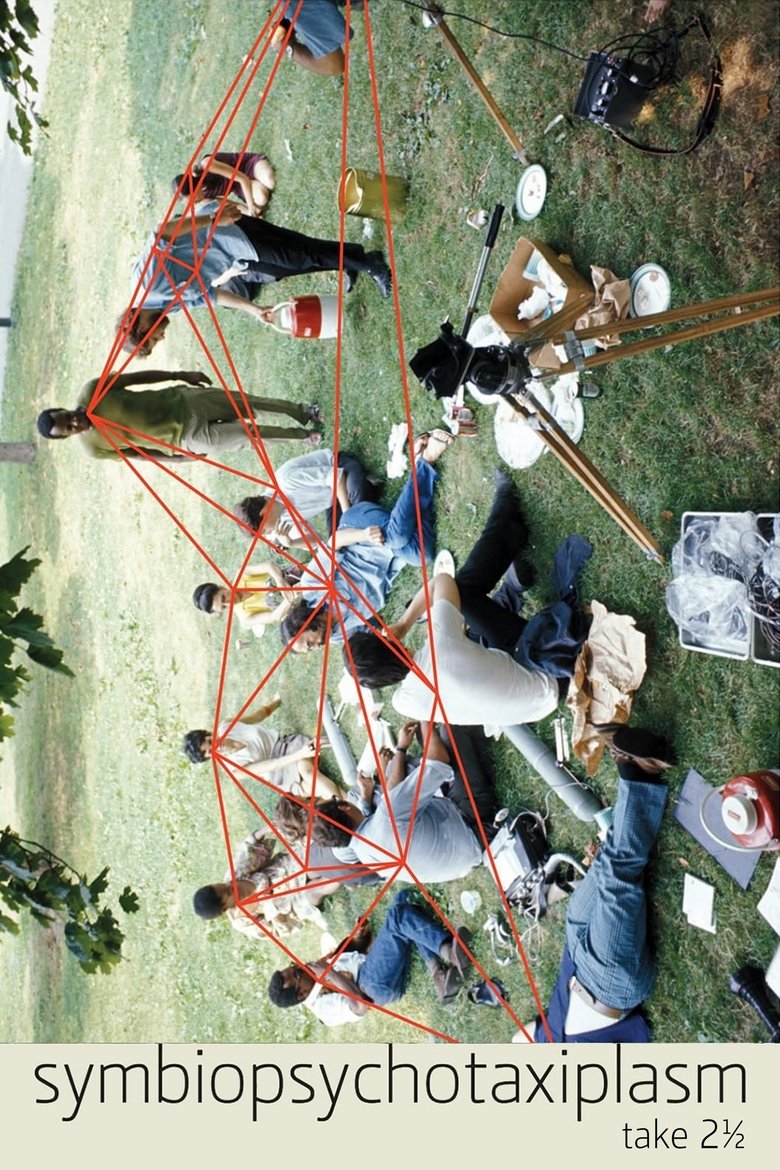
2005
Not RatedDirector
William Greaves
Runtime
99 minutes
Average Rating
No ratings yetSynopsis
A movie about making movies about making movies. In 1968, William Greaves shot several pairs of actors in a scene in which a woman confronts her husband and ends their relationship. In "Take 2 1/2," Greaves starts with 1968 takes of one of these pairs of actors plus footage of the crew discussing the film's progress. Then, 35 years later, Greaves brings back to Central Park those actors and some of the original crew (plus others) to film a reunion of the characters Alice and Freddie. We watch scenes of these characters and discussions among the actors and crew. Greaves explores and dramatizes the dialectic in the creative process.
Overall Score
Good
Category Breakdown
LGBTQ+ Representation
The film focuses on a domestic confrontation between a husband and wife. There is no explicit evidence of LGBTQ+ characters or narratives addressing non-cisnormative identities.
Gender Representation
The narrative centers on a woman's agency during a domestic conflict. Her decision to end a relationship disrupts traditional hierarchies by making her the primary driver of the plot.
Racial & Ethnic Diversity
William Greaves's direction provides a platform to observe the intersection of race and labor. The meta-documentary format challenges the homogeneity found in mainstream cinema.
Religious & Cultural Diversity
The film explores subjective morality and the creative dialectic. It deconstructs the sanctity of the cinematic image to critique established institutional norms in media.
Disability Representation
The film provides no visible evidence regarding the portrayal of physical or neurodivergent disabilities.
Strengths
Areas for Improvement
AI Analysis
William Greaves uses a meta-narrative structure to interrogate the power dynamics of filmmaking. By blurring the lines between documentary and fiction, the work functions as a sophisticated critique of traditional cinematic authority. The film succeeds in highlighting female agency and challenging mainstream racial homogeneity through its unique production lens. It prioritizes intellectual inquiry over polished, traditional storytelling. However, the work lacks explicit LGBTQ+ representation and provides no information regarding disability. The focus remains strictly on the domestic and professional dynamics of the crew and actors.
1968
2015

2010
2017
1990
2006
1998
2015
2007
2003
2011
1997
No reviews yet. Be the first to share your thoughts on this movie!
Use the rating form above to leave a star rating and optional review.