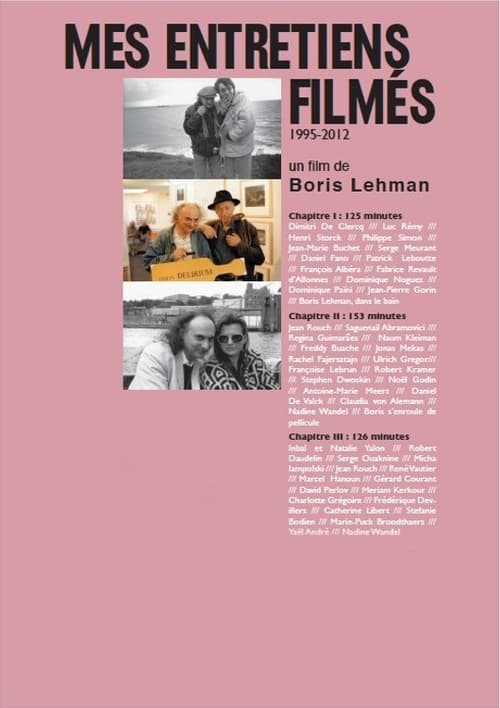
My Conversations on Film
2013
No user ratings available yet
Representation score: 5.3 out of 10
Representation Score
Good
1997
Not RatedDirector
Henry Alex Rubin, Jeremy Workman
Runtime
52 minutes
Average Rating
No ratings yetNew Showbiz Analysis
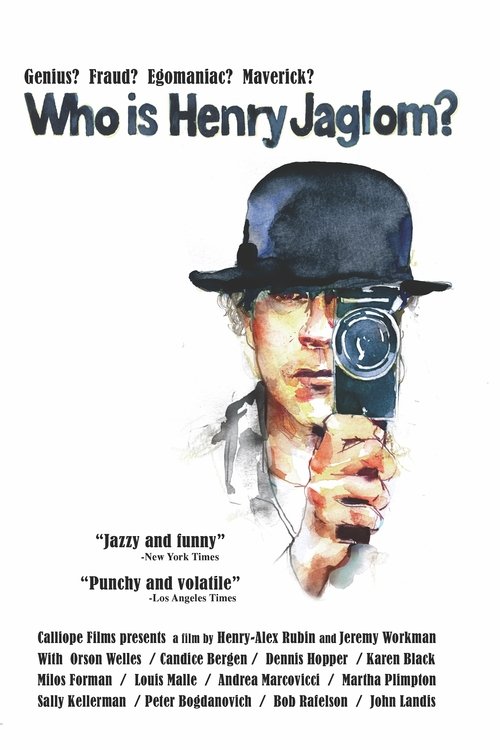
This documentary explores the complex persona of Henry Jaglom by featuring a wide array of legendary cinematic interviews. It succeeds in challenging traditional industry hierarchies by centering a filmmaker recognized for feminist inquiry and unconventional social explorations. The film's strength lies in its disruption of conventional narrative authority. By focusing on a 'maverick' figure, it prioritizes personal choices and subjective truth over rigid, institutionalized storytelling structures. However, the film remains largely tied to the elite circles of the film industry. While it includes international voices, the representation leans heavily toward established cinematic figures within a specific intellectual framework.
Category Breakdown
The documentary features various interviewees who represent different LGBTQ identities. Although same-sex relationships are not the main focus, the film includes voices that go beyond the assumption that everyone is straight or cisgender.
The film highlights female perspectives by centering a filmmaker known for his feminist approach. This approach challenges traditional patriarchal structures and allows women to play a significant role in driving the story.
The film includes international perspectives, such as Milos Forman, representing various nationalities. However, the cast operates within established intellectual circles and lacks a non-Anglo-Saxon majority.
The narrative challenges Western cinematic norms by blurring the lines between life and art. It prioritizes unique expression and individual truth over standardized, institutionalized morality.
There is no specific information regarding the depiction of physical or neurodivergent disabilities in this work.
Present on Screen
Limited or Absent
Official Synopsis
Hailed by some as a cinematic genius, a feminist voice and a true maverick of American cinema, dismissed by others as a voyeuristic fraud and the "world's worst director," Henry Jaglom obsessively confuses and abuses the line between life and art. Featuring scores of interviews (including Orson Welles, Dennis Hopper, Milos Forman and Peter Bogdanovich) and rare behind-the-scenes footage, this hilarious documentary explores the fascinating question of Who Is Henry Jaglom?
2013
2008
2000
2003
2014
2011

2009
2016
No reviews yet. Be the first to share your thoughts on this movie!
Use the rating form above to leave a star rating and optional review.