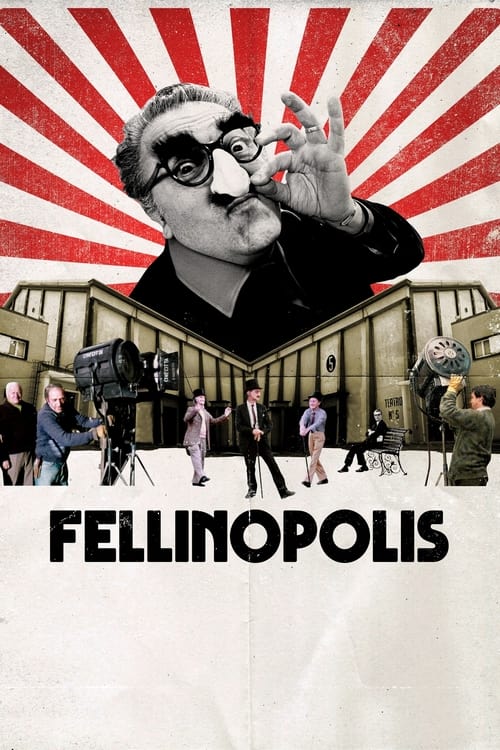
Fellinopolis
2021
No user ratings available yet
Representation score: 5.2 out of 10

Representation Score
Fair
2003
RDirector
Damian Pettigrew
Runtime
105 minutes
Average Rating
No ratings yetNew Showbiz Analysis
This biographical study prioritizes the deconstruction of narrative truth over contemporary identity politics. It functions as a specialized look at how an artist disrupts conventional reality through his creative process. The film's strength lies in its postmodern perspective, favoring subconscious truth over objective facts. However, it remains anchored in a traditional hierarchy that centers on the singular, dominant director. While the archival footage provides a broader view of diverse, international casts, the documentary's own structure is limited by its focus on the singular 'auteur' model.
Category Breakdown
The documentary focuses on Fellini's creative processes and his interactions with actors. Although his films often explore fluid identities, this film does not emphasize queer narratives within its interview structure.
The film centers on the auteur model, positioning Fellini as the sole authority figure. While interviews include various collaborators, the narrative reinforces a traditional, singular visionary hierarchy.
Rooted in European cinematic history, the film uses archival footage to showcase the international casts of Fellini's surreal worlds. It examines how he used unconventional imagery to represent human experiences.
The film explores subjective morality by highlighting Fellini's creative fabrications. It favors dream logic and individual perception over rigid, traditional social or religious certainties.
There is no evidence of visible or invisible disabilities serving as a central narrative driver in this documentary.
Present on Screen
Limited or Absent
Official Synopsis
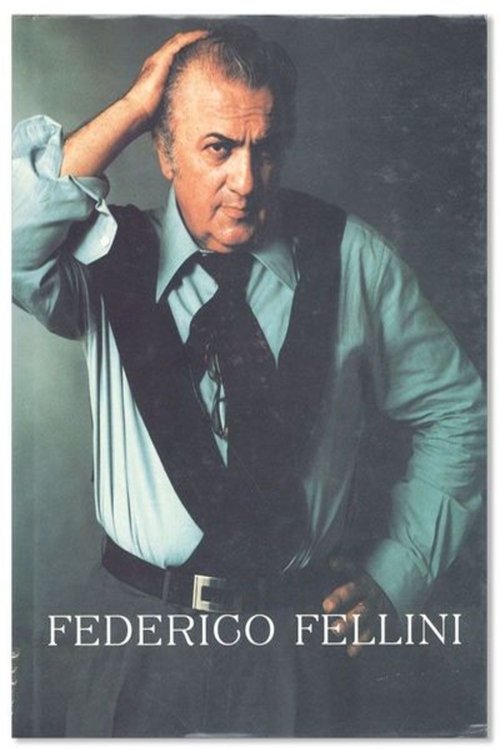
A look at Fellini's creative process. In extensive interviews, Fellini talks a bit about his background and then discusses how he works and how he creates. Several actors, a producer, a writer, and a production manager talk about working with Fellini. Archive footage of Fellini and others on the set plus clips from his films provide commentary and illustration for the points interviewees make. Fellini is fully in charge; actors call themselves puppets. He dismisses improvisation and calls for "availability." His sets and his films create images that look like reality but are not; we see the differences and the results.
2021

2008
2002
2003
1969

2011
2000
2016
No reviews yet. Be the first to share your thoughts on this movie!
Use the rating form above to leave a star rating and optional review.