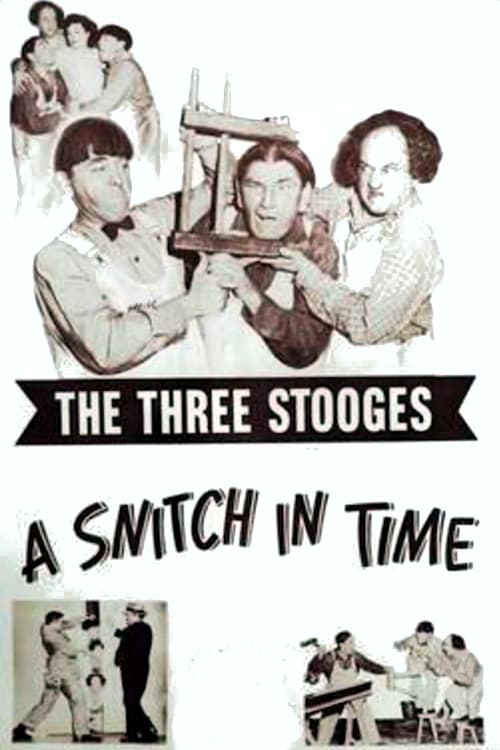
A Snitch in Time
1950
No user ratings available yet
Representation score: 0.6 out of 10
No Poster Available
Representation Score
Minimal
1951
ApprovedDirector
Edward Bernds
Runtime
17 minutes
Average Rating
No ratings yetNew Showbiz Analysis
This 1951 comedy short adheres to the conventions of its time, relying on slapstick humor and situational clichés. The narrative reinforces the social hierarchies of the era through its characters and plot. Gender roles are confined to traditional stereotypes, with women often portrayed as deceptive figures. The film does not delve into multi-layered identities or systemic power dynamics. Overall, the film captures the homogenous worldview of mid-century mainstream media without challenging conventional norms.
Category Breakdown
There are no LGBTQ+ identities represented in the film. The romantic subplot focuses solely on heterosexual relationships between men and women.
Gender roles adhere to mid-century stereotypes. Men are portrayed as protectors, while the female lead is depicted through negative clichés such as deception and manipulation.
The cast appears uniform, with no characters from diverse racial or ethnic backgrounds. The film follows the era's trend of casting primarily Anglo-Saxon actors.
The storyline upholds traditional mid-century values and a conventional moral framework. It does not question Western institutions or social structures.
Characters with disabilities, both visible and invisible, are not given substantial roles. The film uses slapstick humor without addressing nuanced disability issues.
Present on Screen
Limited or Absent
Official Synopsis
In the third of four shorts in this series, two ex-prizefighters, Max Baer and Maxie Rosenbloom, are hired by an archaeologist, Professor Bentley, to guard a million dollars worth of antiques and relics in his home. During the night, each makes a play for the professor's secretary, Miss Pearson, who is working for a gang of crooks planning to rob the place. She slips them a mickey-finn but they come to soon enough to catch the crooks and save the relics.
1950
1940
1948
1954
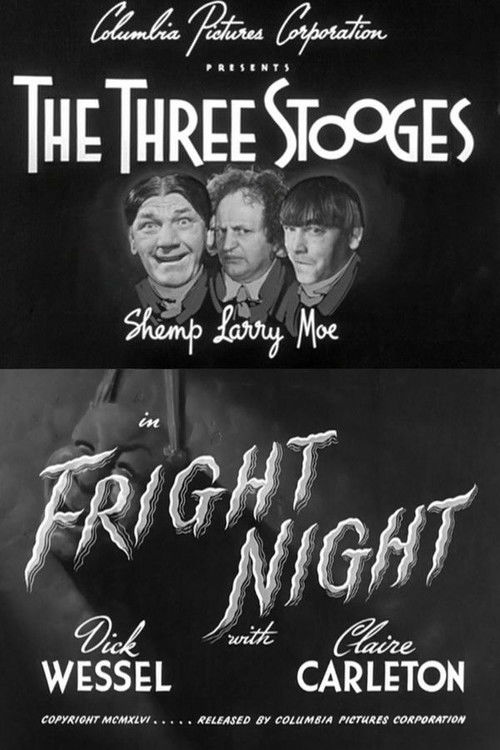
1947
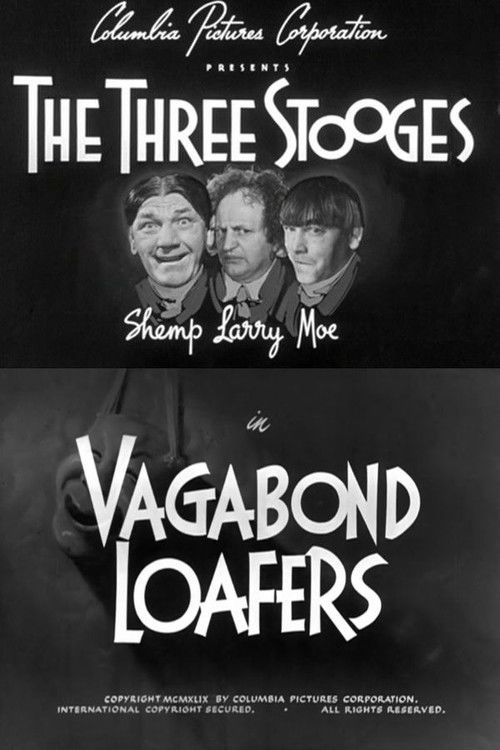
1949
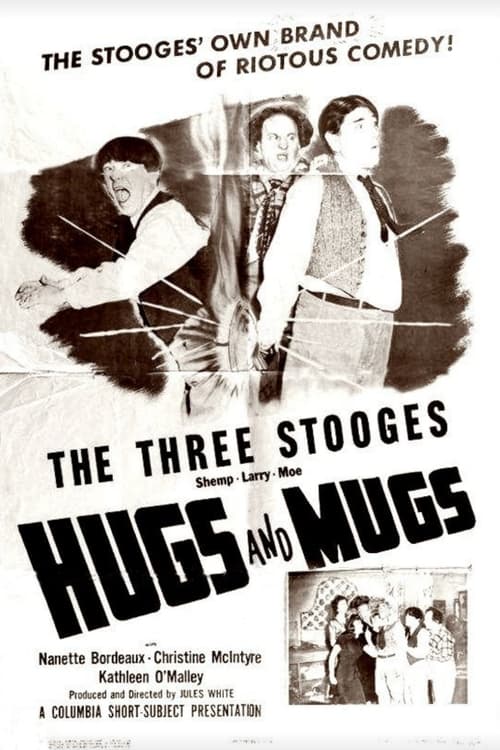
1950
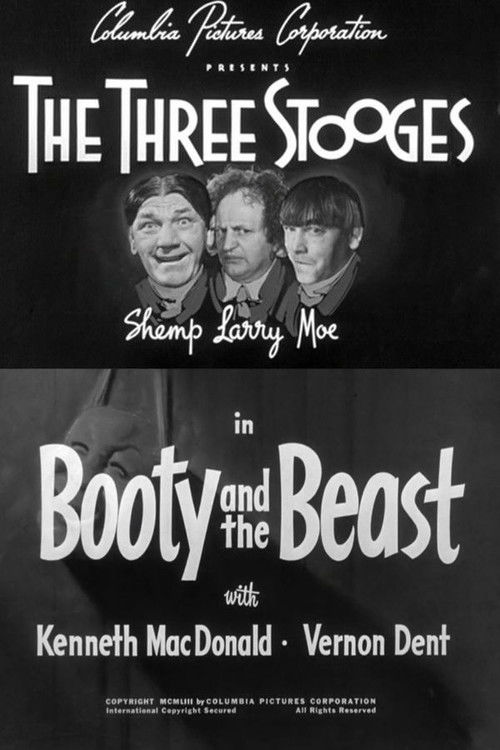
1953
No reviews yet. Be the first to share your thoughts on this movie!
Use the rating form above to leave a star rating and optional review.