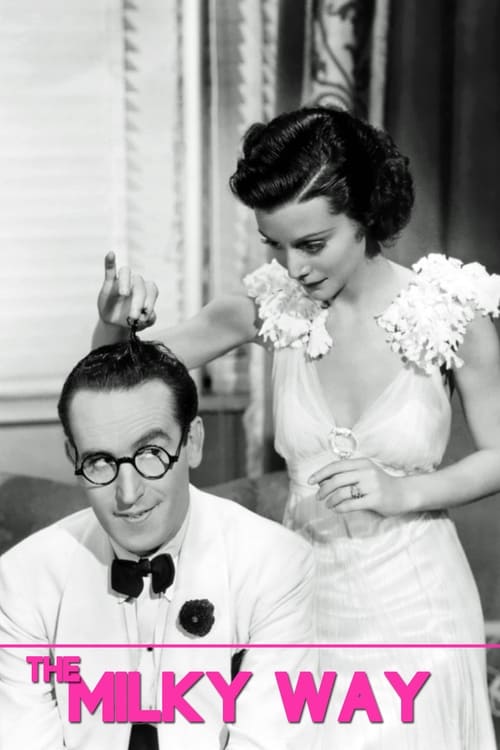
The Milky Way
1936
No user ratings available yet
Representation score: 1.6 out of 10
Representation Score
Minimal
1946
NRDirector
Norman Z. McLeod
Runtime
113 minutes
Average Rating
No ratings yetNew Showbiz Analysis
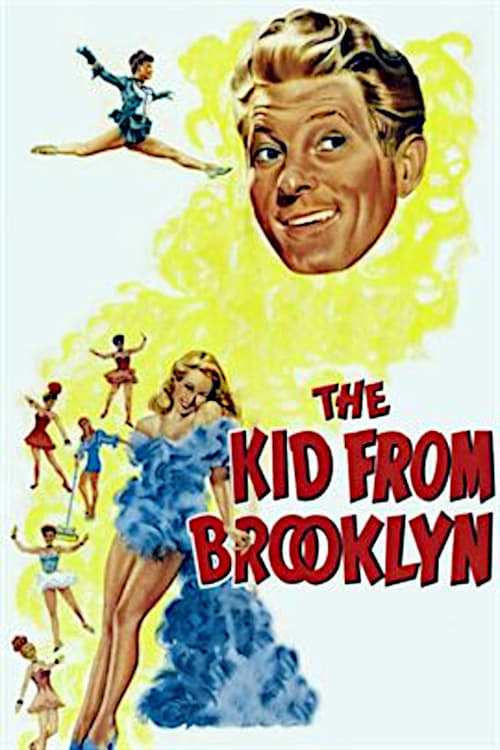
The Kid from Brooklyn is a classic mid-century studio comedy that emphasizes situational humor over social critique. Its narrative structure follows the norms of 1946, focusing on a working-class man's accidental rise in the boxing world. Since the film adheres to the conventional social hierarchies of its time, it lacks meaningful representation of diverse identities. The story centers on a localized, Anglo-centric experience that avoids challenging established gender, racial, or cultural expectations. Ultimately, the film reinforces traditional structures rather than exploring perspectives that reflect multiple aspects of identity or systemic issues.
Category Breakdown
The film stays within the social norms of its era, focusing on the romantic relationship between Burleigh Sullivan and Polly Pringle, which is centered around traditional heterosexual relationships.
Gender roles adhere to post-war hierarchies. Polly Pringle shows professional independence as a singer, but the plot is driven by the male protagonist's rise and his ego.
The cast is predominantly white and focuses on a working-class Brooklyn setting. There is no significant ethnic diversity or characters of color driving the narrative.
The story is a typical domestic comedy that upholds traditional social structures through themes of professional success and romantic pursuit. It does not engage in critiques of Western institutions.
The film does not feature characters with visible or invisible disabilities. There is no evidence of neurodivergence or physical disability being used as a narrative device.
Present on Screen
Limited or Absent
Official Synopsis
Shy milkman Burleigh Sullivan accidentally knocks out drunken Speed McFarlane, a champion boxer who was flirting with Burleigh's sister. The newspapers get hold of the story and photographers even catch Burleigh knock out Speed again. Speed's crooked manager decides to turn Burleigh into a fighter. Burleigh doesn't realize that all of his opponents have been asked to take a dive. Thinking he really is a great fighter, Burleigh develops a swelled head which puts a crimp in his relationship with pretty nightclub singer Polly Pringle. He may finally get his comeuppance when he challenges Speed for the title.
1936
1929
1939
1934
1947
1943
1937
1935
No reviews yet. Be the first to share your thoughts on this movie!
Use the rating form above to leave a star rating and optional review.