
Talihina Sky: The Story of Kings of Leon
2011
No user ratings available yet
Representation score: 3.5 out of 10
Representation Score
Good
2016
RDirector
Stephen Kijak
Runtime
92 minutes
Average Rating
No ratings yetNew Showbiz Analysis
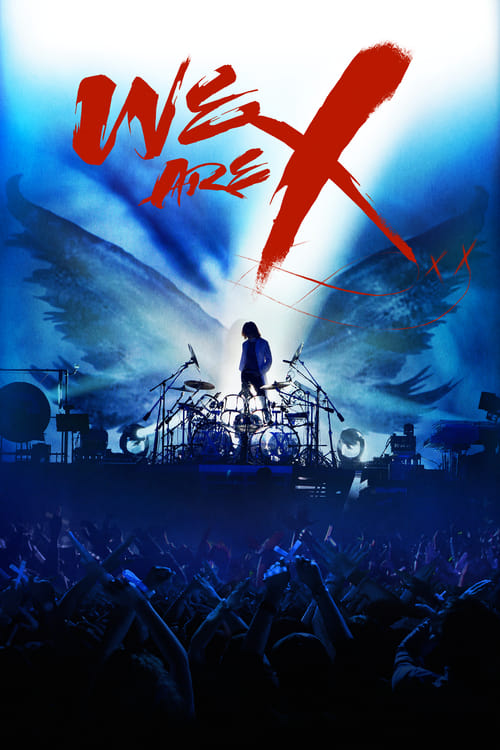
We Are X succeeds in breaking down rigid gender and aesthetic norms through its exploration of the Visual Kei subculture. By showcasing male vulnerability and flamboyant, gender-fluid presentations, the film challenges traditional masculine archetypes. However, the documentary's scope is naturally limited by its biographical focus on a Japanese band, resulting in an ethnically homogeneous cast. While it explores the tension between Eastern and Western cultural standards, it lacks broader multi-ethnic representation. Ultimately, the film functions as a powerful cultural study of artistic rebellion. It prioritizes a nuanced look at how non-Western movements navigate global industry pressures and personal trauma over broader demographic variety.
Category Breakdown
The film explores the Visual Kei movement, which uses gender-fluid aesthetics and flamboyant costumes. While it doesn't focus specifically on queer identities, it offers a platform for non-traditional gender expressions.
The documentary challenges traditional masculinity by highlighting the intense emotions and vulnerabilities of its male subjects. It focuses on the psychological impact and grief rather than reinforcing stoic, dominant archetypes.
The cast is ethnically uniform, focusing on a specific Japanese musical entity. However, it serves as a cultural document exploring the tension between Japanese identity and Western biases.
The narrative portrays defiance against rigid, traditional structures within the Japanese music industry. It highlights the costs of artistic rebellion and the dismantling of mainstream societal expectations.
The film emphasizes the physical and mental toll of the rock lifestyle. Yoshiki is shown navigating significant physical pain and psychological trauma as a result of his creative pursuits.
Present on Screen
Limited or Absent
Official Synopsis
As glam rock's most flamboyant survivors, X Japan ignited a musical revolution in Japan during the late '80s with their melodic metal. Twenty years after their tragic dissolution, X Japan’s leader, Yoshiki, battles with physical and spiritual demons alongside prejudices of the West to bring their music to the world.
2011
2018

2018

2021

2015

2008

2022

2017
No reviews yet. Be the first to share your thoughts on this movie!
Use the rating form above to leave a star rating and optional review.