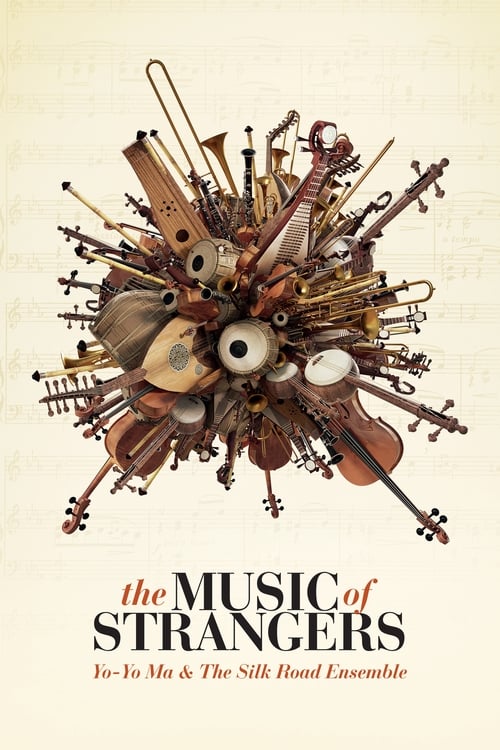
The Music of Strangers: Yo-Yo Ma and the Silk Road Ensemble
2016
No user ratings available yet
Representation score: 8.5 out of 10
Representation Score
Excellent
2017
NRDirector
Alfonso Maiorana, Catherine Bainbridge
Runtime
103 minutes
Average Rating
No ratings yetNew Showbiz Analysis
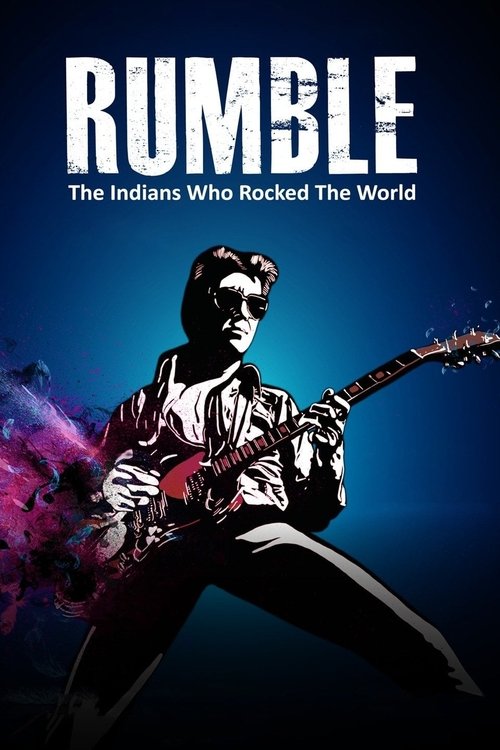
Rumble is a powerful work of narrative reclamation that challenges traditional hierarchies in music history. By shifting from a monolithic Western perspective to a complex view of Indigenous influence, the film disrupts conventional expectations of American culture. The documentary's greatest strength lies in its ability to center the very people whose contributions were historically overlooked. It actively recovers cultural ability to act through a post-colonial lens, moving beyond mere inclusion. While the film excels in racial and cultural representation, it lacks specific focus on LGBTQ+ identities or disability-driven narratives. This results in a balanced but uneven distribution of representation across different social identities.
Category Breakdown
The film does not focus on LGBTQ+ storylines or non-binary identities as a main theme. While it covers a broad range of human experiences, the lack of specific LGBTQ+ narratives means it cannot achieve a higher score in this area.
The film provides substantial roles for female Indigenous musicians, ensuring the history is not portrayed as exclusively patriarchal. It emphasizes the artistic legacies of women to avoid a singular focus on male leadership.
The film excels by centering Native American identity as the primary narrative driver. It challenges white-centric myths by showing how Indigenous rhythms are fundamental to rock, blues, and jazz.
The documentary engages deeply with the deconstruction of Western historical narratives. It presents the traditional American musical myth as an incomplete story that has systematically sidelined Indigenous contributions.
The film touches upon broader socioeconomic and systemic struggles faced by Indigenous communities. However, it does not prominently feature neurodivergence or physical disabilities as central narrative arcs.
Present on Screen
Limited or Absent
Official Synopsis
Documentary about the role of Native Americans in popular music history, a little-known story built around the incredible lives and careers of the some of the greatest music legends.
2016
2018
2020
1999
2014
2013
2017
2015
No reviews yet. Be the first to share your thoughts on this movie!
Use the rating form above to leave a star rating and optional review.