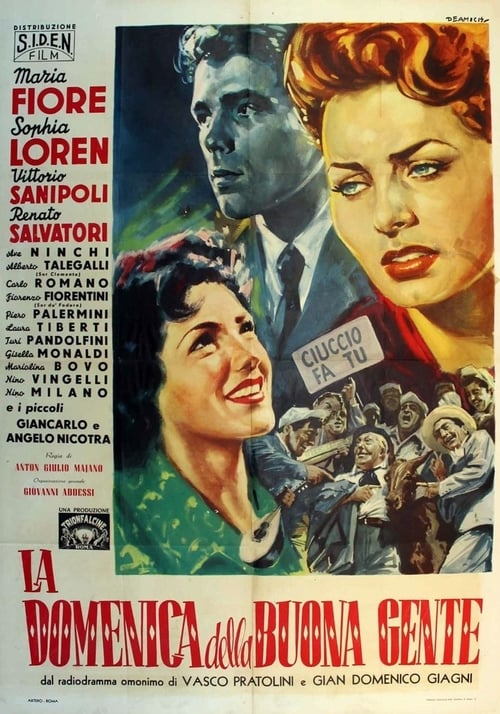
Good Folk's Sunday
1953
No user ratings available yet
Representation score: 1.8 out of 10
Representation Score
Minimal
1950
Director
Luciano Emmer
Runtime
75 minutes
Average Rating
No ratings yetNew Showbiz Analysis
Luciano Emmer’s work provides a humanistic view of mid-century Italian life. It focuses on the daily experiences of the working and middle classes. While the film captures social hierarchies, it lacks modern multi-layered complexity. Its storytelling is grounded in the demographic and gender norms of its time. Overall, the film serves as a specific historical document. It records existing social structures without challenging them.
Category Breakdown
The film follows the heterosexual norms of 1950s Italy and does not include any LGBTQ+ narratives or non-traditional gender identities.
The story centers around male friendships and social interactions. Women appear but mainly fulfill traditional roles such as romance or family.
The cast is ethnically uniform, reflecting the demographics of post-war Italy. The film focuses on class differences rather than multi-ethnic diversity.
The film presents everyday life without promoting specific religious or nationalistic ideologies. It avoids criticizing Western institutions or capitalism.
There are no visible or invisible disabilities depicted. The film highlights the physical energy of young people during their free time.
Present on Screen
Limited or Absent
Official Synopsis
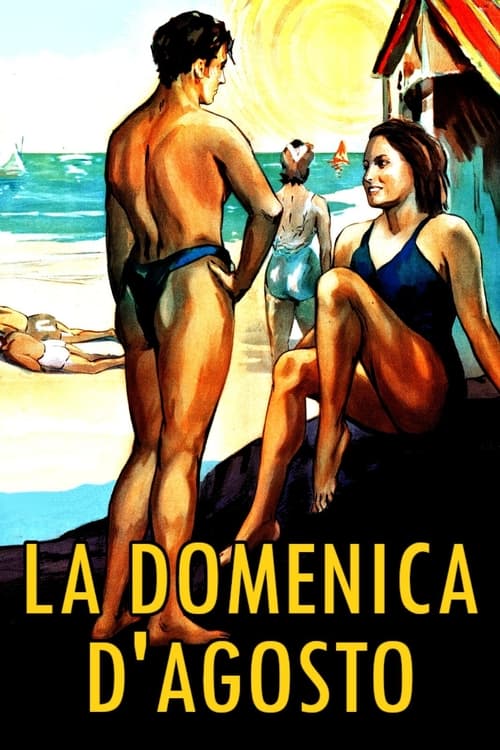
The plot weaves several episodes with several groups of people, Roman families, youth gangs and young love couples, who spend a Sunday at the beach of Ostia.
1953

1953
1948

1974
1953

1954
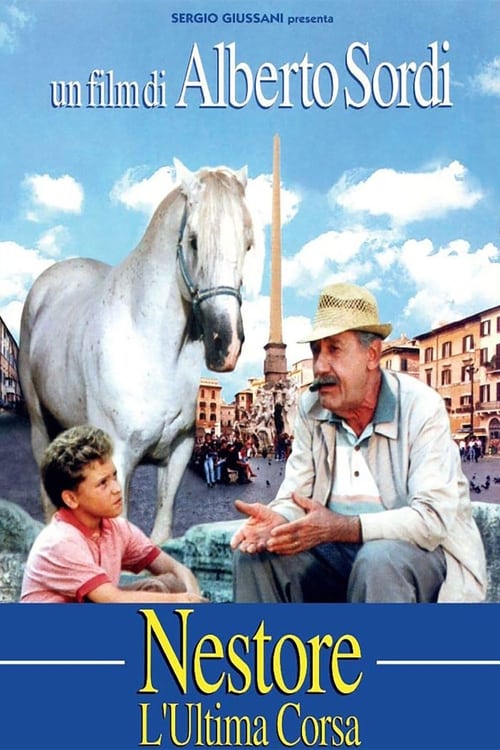
1994

1990
No reviews yet. Be the first to share your thoughts on this movie!
Use the rating form above to leave a star rating and optional review.