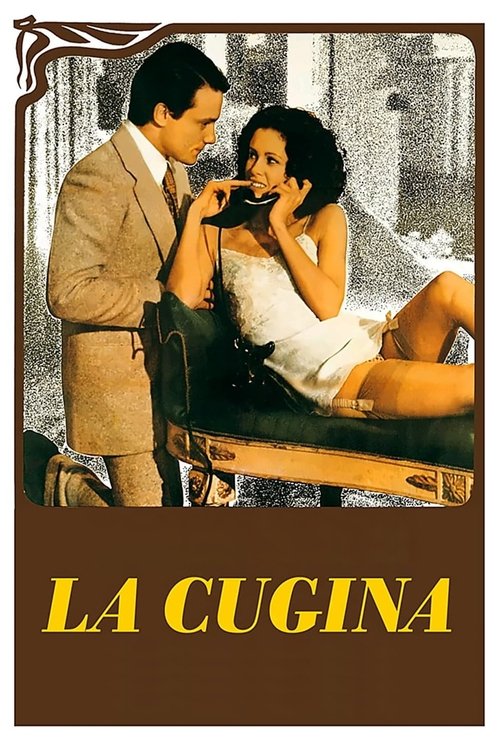
The Cousin
1974
No user ratings available yet
Representation score: 3.0 out of 10
Representation Score
Limited
1944
Director
Ferdinando Maria Poggioli
Runtime
72 minutes
Average Rating
No ratings yetNew Showbiz Analysis
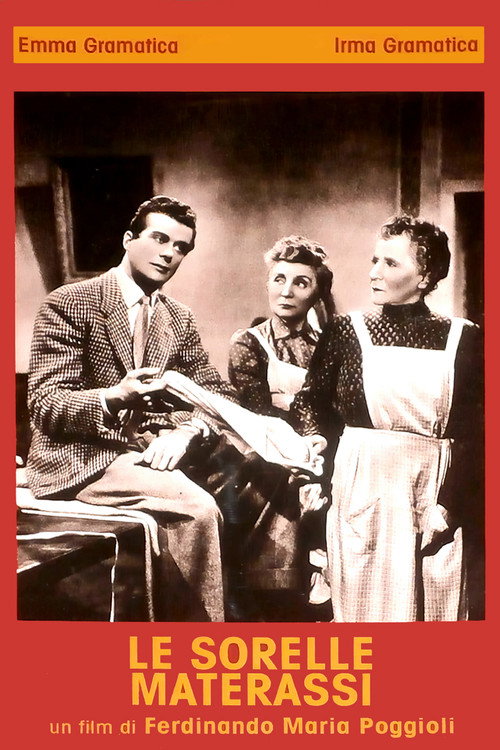
The film offers a nuanced character study centered on female protagonists, providing a rare look at women navigating autonomy outside of traditional marriage. This focus on the 'spinster' archetype offers a subtle window into lives lived on the social periphery. However, the work is heavily constrained by the era's social homogeneity. The lack of racial diversity and the absence of multi-layered complexity limit its broader social impact. Ultimately, the film serves as a period-specific exploration of domesticity rather than a progressive critique of systemic social structures.
Category Breakdown
The film focuses on 'spinster' sisters living outside traditional marriage structures. While it doesn't explicitly include non-cisgender identities, it explores lives lived in alternative social configurations.
The narrative challenges male-centric clichés by highlighting women's ability to drive the story within a domestic sphere. The sisters are the primary drivers of the story's central tensions.
The production reflects the homogeneous social structures of 1944 Italy. There is no evidence of multi-ethnic casting or subversion of racial hierarchies.
The story examines the tension between established domestic traditions and the disruptive energy of a younger generation. It explores the fragility of traditional family structures.
The film provides no specific evidence regarding the portrayal of physical or neurodivergent disabilities.
Present on Screen
Limited or Absent
Official Synopsis
The quiet days of two elderly spinster sisters are changed for good with the unexpected arrival of their nephew.
1974

1972

1994
1955

1990
1958

1975
1995
No reviews yet. Be the first to share your thoughts on this movie!
Use the rating form above to leave a star rating and optional review.