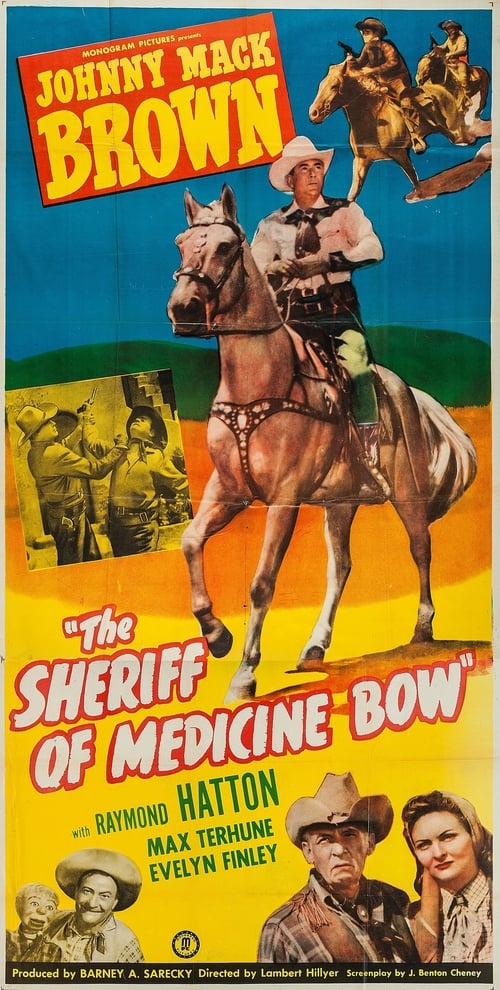
The Sheriff of Medicine Bow
1948
No user ratings available yet
Diversity score: 1.9 out of 10
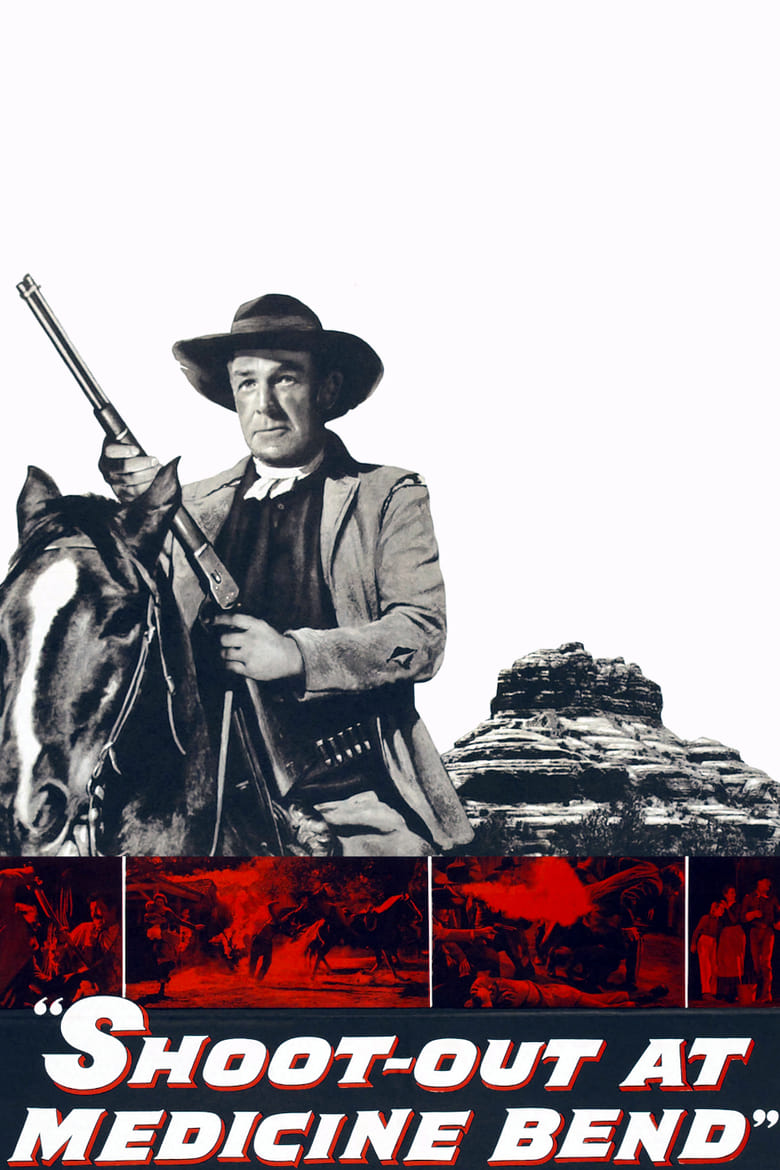
1957
NRDirector
Richard L. Bare
Runtime
87 minutes
Average Rating
No ratings yetSynopsis
In Medicine Bend, a crooked businessman has the town mayor and sheriff in his pocket while his henchmen raid the wagon trains passing through the region.
Overall Score
Minimal
Category Breakdown
LGBTQ+ Representation
The film lacks any discernible presence of LGBTQ+ characters or non-cisnormative identities. It operates within a strictly heteronormative framework typical of 1950s Westerns.
Gender Representation
The narrative centers on male-driven conflict and law enforcement. Women lack high agency, as the plot is driven by male protagonists navigating systemic corruption.
Racial & Ethnic Diversity
The film utilizes a homogeneous casting approach consistent with 1957 standards. There is no evidence of significant racial blending or non-white characters acting as central agents.
Religious & Cultural Diversity
The story reinforces traditional Western values like individual justice. It focuses on restoring local order rather than critiquing the systemic foundations of Western institutions.
Disability Representation
There is no evidence of characters with visible or invisible disabilities. The film does not use disability as a theme or tool for character development.
Strengths
Areas for Improvement
AI Analysis
Shoot-Out At Medicine Bend is a conventional mid-century Western that adheres to the social hierarchies of its era. The story focuses on a struggle against local corruption, but this conflict is framed through traditional masculine lenses of law and order. The film lacks intersectional perspectives, offering no representation for LGBTQ+ individuals or characters with disabilities. The narrative architecture is built upon established genre conventions that prioritize Anglo-centric storytelling and male-driven agency. Ultimately, the film functions as a standard genre piece. It seeks to restore the status quo rather than challenge or deconstruct the social or moral frameworks of the American West.
1948

1939
1951
1942
1927
1953
1942
1950
1951
1967
1952
1947
No reviews yet. Be the first to share your thoughts on this movie!
Use the rating form above to leave a star rating and optional review.