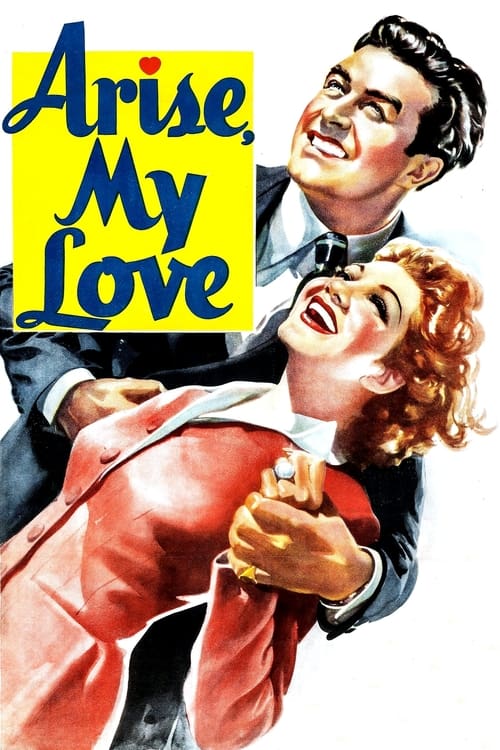
Arise, My Love
1940
No user ratings available yet
Representation score: 2.1 out of 10

Representation Score
Minimal
1942
NRDirector
Leo McCarey
Runtime
115 minutes
Average Rating
No ratings yetNew Showbiz Analysis
Once Upon a Honeymoon exemplifies classic 1940s Hollywood escapism, emphasizing romantic comedy and slapstick humor while upholding the social hierarchies and demographics typical of its era. The film’s narrative structure is firmly grounded in traditional Western frameworks. Though the tropical setting introduces a variety of ethnic characters, these characters are portrayed through stereotypical lenses common to the 1940s, functioning primarily as decorative elements of an exotic landscape. Overall, the film reflects the mid-century status quo without attempting to disrupt conventional clichés or offer nuanced representation.
Category Breakdown
The film does not include any representation of LGBTQ+ identities. Romantic relationships are exclusively between heterosexual couples, reflecting the social norms of the time.
Hedy Lamarr has a prominent role, but her actions are largely driven by romantic entanglements. The humor in the film relies on typical gender misunderstandings rather than challenging traditional gender roles.
The film sets itself in a fictional South Pacific location, introducing characters from diverse backgrounds. However, these characters are portrayed using broad stereotypes typical of the 1940s, serving mainly as decorative elements of an exotic landscape.
The storyline focuses on wartime escapism and slapstick humor, reinforcing traditional Western social structures. It avoids addressing anti-Western or anti-religious themes.
The film does not feature any characters with disabilities or neurodivergence. All characters are shown as fully able-bodied participants in the musical comedy framework.
Present on Screen
Limited or Absent
Official Synopsis
A radio correspondent tries to rescue a burlesque queen from her marriage to a Nazi official.
1940
1940
1932
1949
1932
1942

1941
1948
No reviews yet. Be the first to share your thoughts on this movie!
Use the rating form above to leave a star rating and optional review.