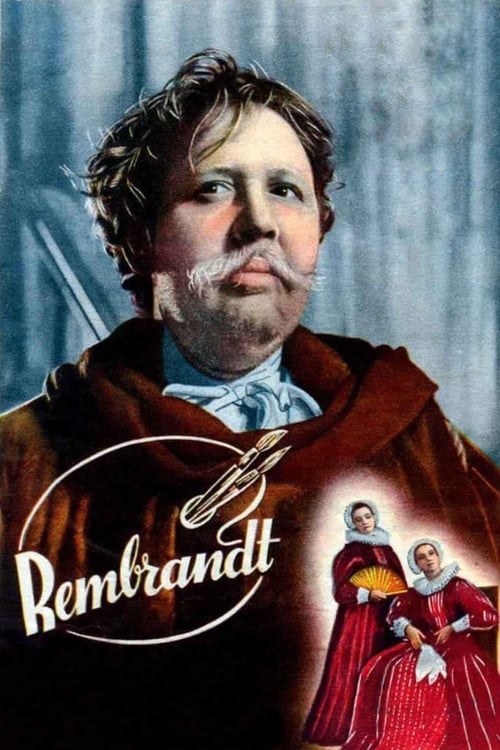
Rembrandt
1936
No user ratings available yet
Representation score: 0.9 out of 10
Representation Score
Limited
1942
Director
Hans Steinhoff
Runtime
99 minutes
Average Rating
No ratings yetNew Showbiz Analysis
Rembrandt (1942) is a traditional biographical drama that reinforces established social, gender, and racial hierarchies. Its creative direction aligns with the cinematic traditions of the Third Reich, emphasizing the 'Great Man' theory of history. Instead of challenging systemic power structures, the film celebrates individual achievements within a traditional framework. It does not aim to disrupt conventional narratives or offer diverse perspectives. Ultimately, the film upholds the social constraints of both the 17th century and the era of its production, focusing on singular greatness through a lens that mirrors these constraints.
Category Breakdown
The film strictly follows the assumption that everyone is straight or cisgender, focusing on the romantic relationship between Rembrandt and Saskia. It does not include any non-traditional gender identities.
Female characters are primarily defined by their relationship to the male protagonist's emotional journey. The film upholds the 17th-century gender roles and does not give women much control over their own stories.
The cast is entirely white, reflecting a strictly European perspective. There are no non-white characters or actors playing roles outside their traditional backgrounds.
The narrative emphasizes traditional Western values and the individual struggles of a singular genius. It reflects the religious and cultural norms of 17th-century Netherlands without questioning them.
The film treats psychological grief and loneliness as typical experiences of artists, without exploring mental health issues or disabilities in depth. Characters with disabilities are not given significant roles or ability to act.
Present on Screen
Limited or Absent
Official Synopsis
Already a famous painter, Rembrandt van Rijn is commissioned to paint the Amsterdam Archers' Guild. But upon completion of the picture, the men of the guild feel duped, because they don't consider themselves flatteringly depicted in the painting. They therefore decline to pay for the work. During this dispute, the painter finds out his wife is close to death. He finds himself terribly lonely after her passing and suffers from depression until he decides once more to marry.
1936
1951
1999
1991
1994

1952
1977
1952
No reviews yet. Be the first to share your thoughts on this movie!
Use the rating form above to leave a star rating and optional review.