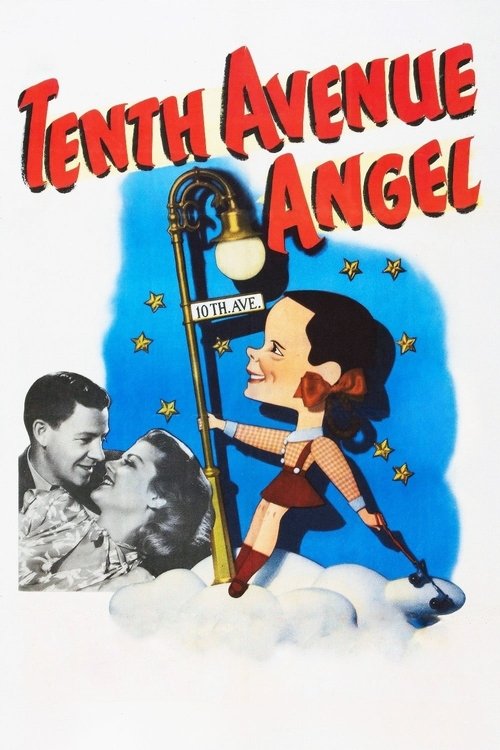
Tenth Avenue Angel
1948
No user ratings available yet
Representation score: 0.5 out of 10
Representation Score
Minimal
1948
NRDirector
Irving Pichel
Runtime
120 minutes
Average Rating
No ratings yetNew Showbiz Analysis
The Miracle of the Bells exemplifies mid-century traditionalist cinema. Its narrative structure reinforces established social, religious, and gender hierarchies. The film focuses on a male protagonist's spiritual journey, using female characters primarily as catalysts for his moral development. It presents a culturally uniform environment that aligns with the demographic and social norms of the 1940s.
Category Breakdown
The film centers around a romantic relationship between a man and a deceased woman, with no depiction of LGBTQ+ identities. The story does not explore any non-traditional gender or sexual orientations.
Female characters mainly serve as catalysts for the male protagonist's moral growth or as subjects of tragedy. The narrative emphasizes the male character's spiritual and ethical journey.
The cast is predominantly white, reflecting the demographic homogeneity typical of 1940s small-town cinema. There are no significant characters of color or efforts to diversify the cast.
The story highlights the restorative power of faith within the Catholic Church, promoting the importance of divine and social order. It does not critique or question the existing religious and social structures.
There is no representation of physical, sensory, or neurodivergent disabilities. Characters are portrayed within a standard framework of physical capability.
Present on Screen
Limited or Absent
Official Synopsis
The body of a young actress is brought to her home town by the man who loved her. He knows that she wanted all the church bells to ring for three days after she was buried, but is told that this will cost a lot of money. The checks that he writes to the various churches all bounce, but it is the weekend and, in desperation, he prays that a miracle will happen before the banks reopen. It does, but not in the way he hoped.
1948

1962
1939

1943
1950
1938
1952
1927
No reviews yet. Be the first to share your thoughts on this movie!
Use the rating form above to leave a star rating and optional review.