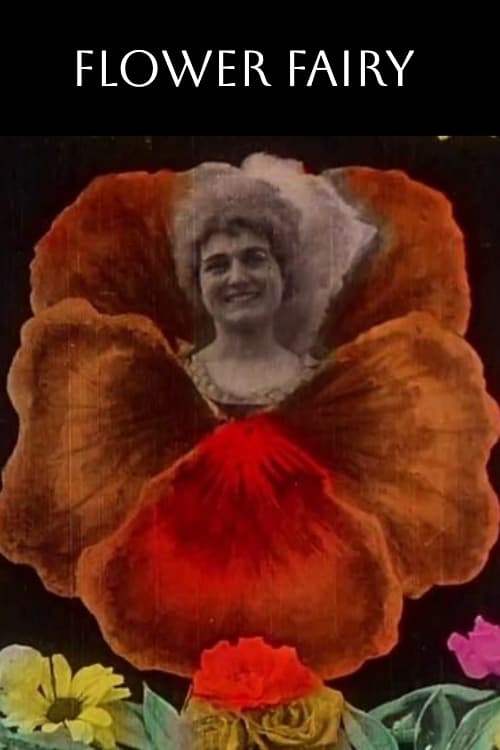
Flower Fairy
1905
No user ratings available yet
Representation score: 0.2 out of 10
Representation Score
Minimal
1906
Director
Gaston Velle
Runtime
2 minutes
Average Rating
No ratings yetNew Showbiz Analysis
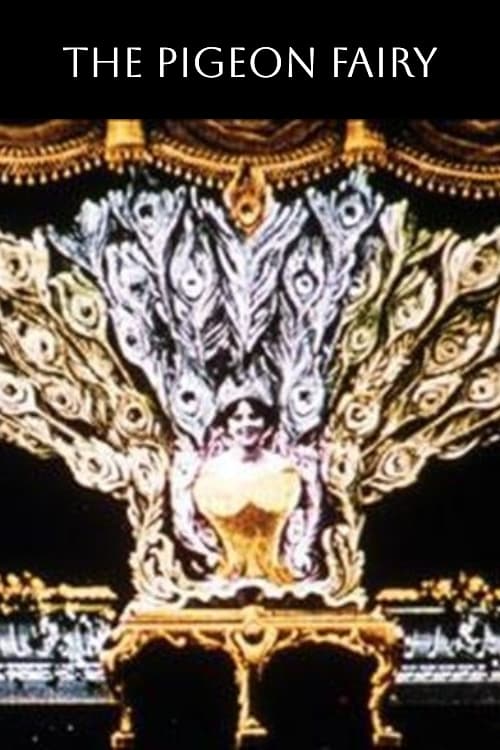
The Pigeon Fairy primarily showcases early cinematic visual effects and illusions. Given its origin in 1906, the film operates within the aesthetic and social norms of the early 20th century. While the film features a powerful female character with supernatural abilities, it leans heavily on conventional mythological themes. The narrative lacks the depth to explore multiple aspects of identity or societal structures. Overall, the work reflects its era, emphasizing spectacle and fantasy rather than nuanced social representation.
Category Breakdown
The film does not include any characters with LGBTQ+ identities or narratives. It centers on a fairy figure based on traditional myths.
The film features a strong female character who uses her allure to captivate the audience. However, her role is defined by traditional gender stereotypes and the male perspective.
The movie adheres to the homogenous European aesthetic standards of 1906. There is no evidence of racial diversity or varied casting.
The story functions as an escapist fantasy rooted in traditional mythology. It does not question or challenge the social structures of the early 1900s.
There are no characters with visible or invisible disabilities mentioned in the historical record of this work.
Present on Screen
Limited or Absent
Official Synopsis
A beautiful seductive fairy makes gentle winged creatures appear.
1905
1905
1906
1906
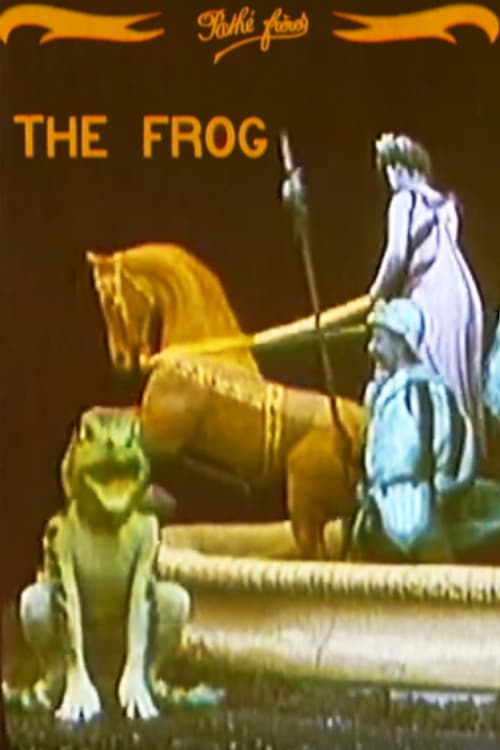
1908
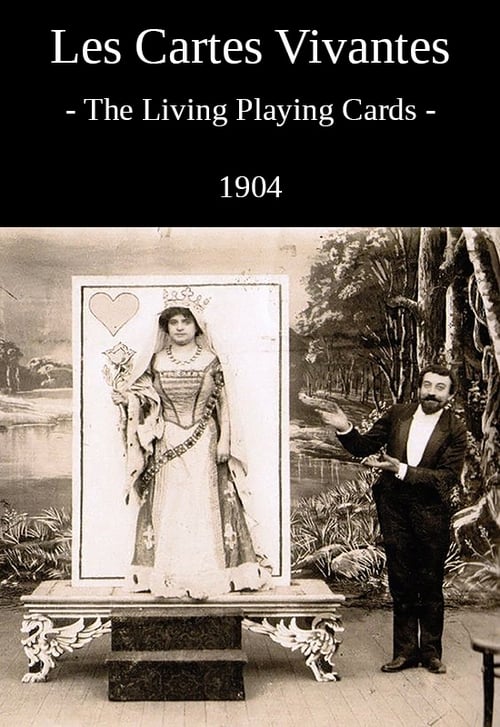
1905
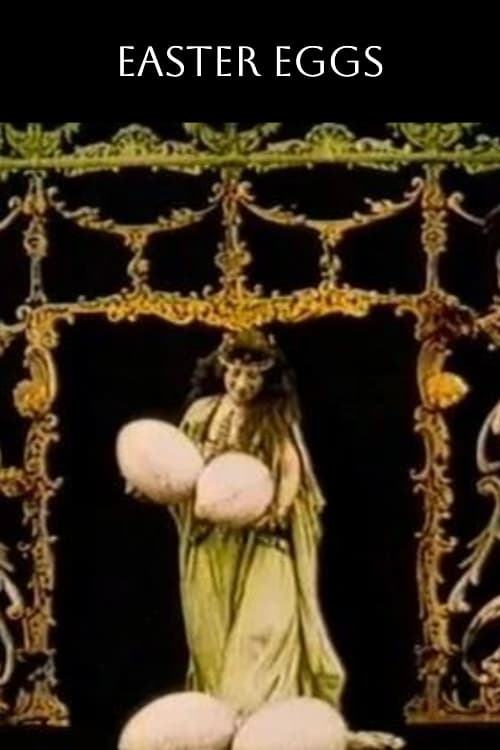
1907
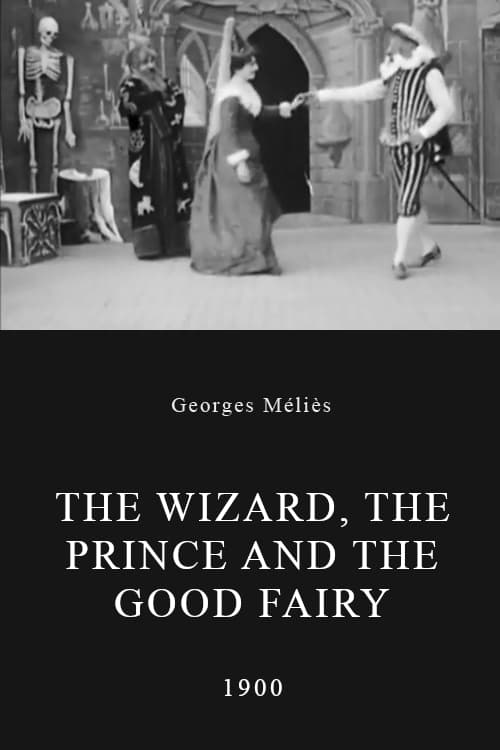
1900
No reviews yet. Be the first to share your thoughts on this movie!
Use the rating form above to leave a star rating and optional review.