The Moving Picture Fight of the Fox and the Possum
1933
No user ratings available yet
Representation score: 4.0 out of 10
Representation Score
Fair
1936
Director
Iwao Ashida
Runtime
5 minutes
Average Rating
No ratings yetNew Showbiz Analysis
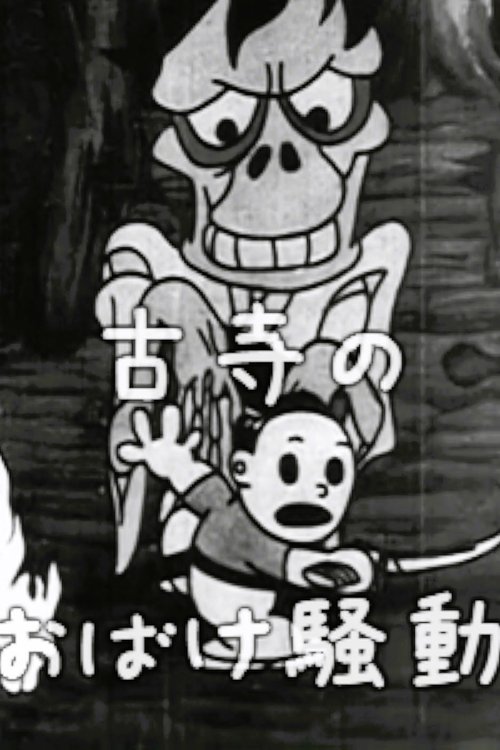
Taro's Monster Hunt is a culturally significant piece of early Japanese animation that prioritizes indigenous mythology over Western-centric storytelling. Its strength lies in its refusal to conform to the animation standards of its time, instead using local folklore to drive its narrative. However, the film is limited by the historical context of 1936. It lacks explicit markers of diversity, such as varied gender roles or LGBTQ+ representation, and focuses heavily on traditional masculine archetypes through its samurai lead. Ultimately, the film serves as a foundational example of non-Western narrative autonomy, even if it lacks the specific character depth required for higher diversity scores in modern categories.
Category Breakdown
The film does not include any representation of LGBTQ+ identities or same-sex relationships. It follows traditional heroic archetypes typical of 1930s Japan.
The story centers on a samurai protagonist, reinforcing traditional masculine warrior archetypes. There is no specific evidence showing subversion of gender norms.
The film centers a Japanese protagonist and uses indigenous folklore, asserting non-Western narrative ability to act and avoiding Western animation clichés.
The work engages with Japanese spiritualism and local folklore, providing a cultural counter-narrative to Western fairy tales.
There is no documented evidence regarding the portrayal of physical or neurodivergent characters in this production.
Present on Screen
Limited or Absent
Official Synopsis
A Bosko-cloned samurai battles traditional monsters and demons.
1933
1988
1927
1929
1932
1930
1986

1972
No reviews yet. Be the first to share your thoughts on this movie!
Use the rating form above to leave a star rating and optional review.