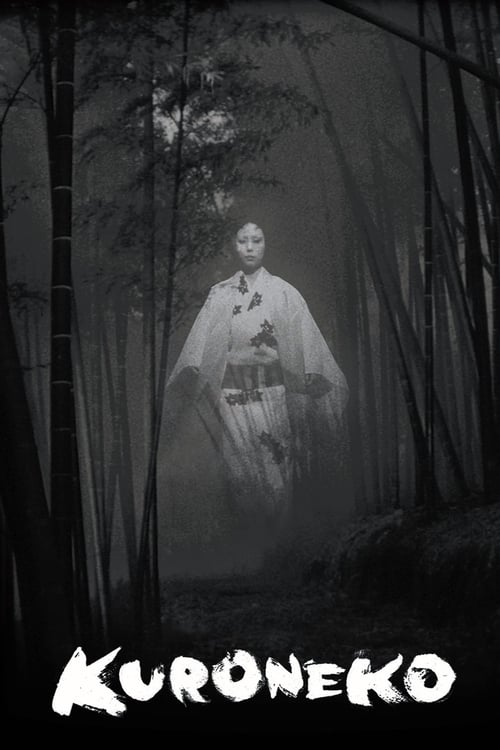
Kuroneko
1968
No user ratings available yet
Representation score: 4.3 out of 10
Representation Score
Minimal
1972
Director
Kihachiro Kawamoto
Runtime
8 minutes
Average Rating
No ratings yetNew Showbiz Analysis
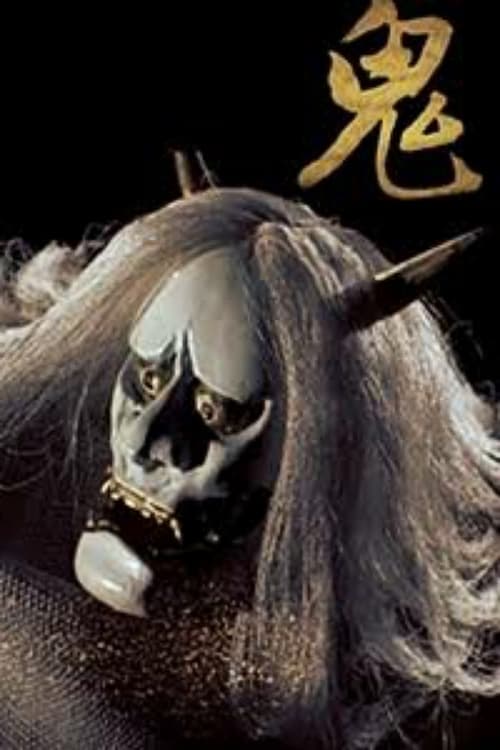
Kihachiro Kawamoto’s *The Demon* is a specialized work of puppet animation that prioritizes cultural specificity and traditional mythic structures. The film functions as a psychological horror-drama rooted in Japanese folklore, emphasizing a closed, familial unit within a historical setting. Because the narrative is built upon a period-specific folk tale, it reflects the social constraints of its era. It does not attempt to disrupt conventional social hierarchies or implement modern multi-layered identity politics, focusing instead on the primal struggle between man and the supernatural. Ultimately, the film's lack of diverse representation is a byproduct of its commitment to traditionalist storytelling. It serves as a preservation of specific ethnic heritage rather than a platform for contemporary social deconstruction.
Category Breakdown
The film centers on a traditional family unit consisting of two brothers and their mother. There are no depictions of LGBTQ+ identities or non-cisgender narratives.
The narrative is primarily driven by male protagonists through hunting and combat. A mother figure is present, but the story adheres to established historical gender hierarchies.
The production is culturally homogeneous, focusing on Japanese folklore. It prioritizes indigenous storytelling and aesthetics rather than multi-ethnic or Western-centric casting.
The story operates within traditional morality and mythic structures. It focuses on the consequences of supernatural interaction rather than critiquing societal power dynamics.
There is no depiction of disability. The physical trauma described involves a supernatural antagonist rather than exploring neurodivergence or impairment through a character-driven narrative.
Present on Screen
Limited or Absent
Official Synopsis
Two brothers, who are both hunters and live with their mother, go to the mountains to set traps for deer. Suddenly, a demon grabs the younger brother. The older brother shoots an arrow, severing the demon's arm, which they plan to take home. But they make a grisly discovery on the journey home.
1968
1988
1987
1986
2012
2018
1936
2013
No reviews yet. Be the first to share your thoughts on this movie!
Use the rating form above to leave a star rating and optional review.