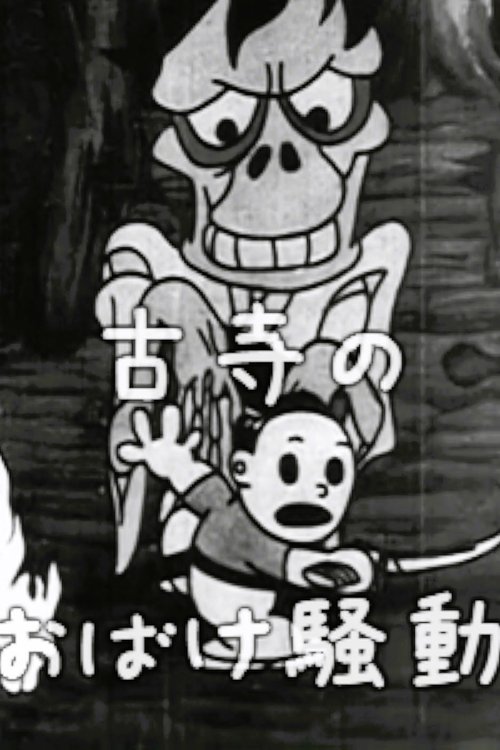
Taro's Monster Hunt
1936
No user ratings available yet
Representation score: 4.6 out of 10
No Poster Available
Representation Score
Limited
1933
Director
Ikuo Oishi
Runtime
12 minutes
Average Rating
No ratings yetNew Showbiz Analysis
This 1933 animation serves as a culturally specific window into Japanese folklore, using supernatural entities to drive its narrative. It succeeds in providing a non-Western perspective that departs from the Anglo-Saxon animation standards of its era. However, the film relies heavily on traditional masculine archetypes and patriarchal family structures. The lack of women's ability to drive the story or diverse identity markers limits its multi-layered approach. Ultimately, the work's strength lies in its use of shapeshifting and folklore to challenge human-centric hierarchies, even if it lacks modern social representation.
Category Breakdown
The film does not include explicit representations of LGBTQ+ identities or non-straight relationships. Shapeshifting challenges fixed biological identities, but there is no evidence of a deliberate critique of the assumption that everyone is straight.
The story focuses on traditional masculine roles such as a farmer, a samurai, and a father-son tanuki relationship. There is no visible evidence of women taking a leading role or challenging gender hierarchies.
As a Japanese production, the film offers a non-Western perspective through its use of local mythology. It provides a departure from the Western-centric animation standards of the 1930s.
The story uses yōkai to drive the plot, presenting a framework of subjective morality rooted in folklore. The inclusion of a temple suggests an integration with traditional spiritual institutions.
The film contains no evidence of characters with visible or invisible disabilities.
Present on Screen
Limited or Absent
Official Synopsis
A farmer walking in the woods is frightened away by a shapeshifting fox, who then disguises himself as a samurai and makes his way to a temple, haunted by a young shapeshifting tanuki whose various attempts to frighten the fox/samurai away fail. The young tanuki telephones his father, and they join forces against the samurai.
1936
1994
1929
1930
1991
1941
1937
No reviews yet. Be the first to share your thoughts on this movie!
Use the rating form above to leave a star rating and optional review.