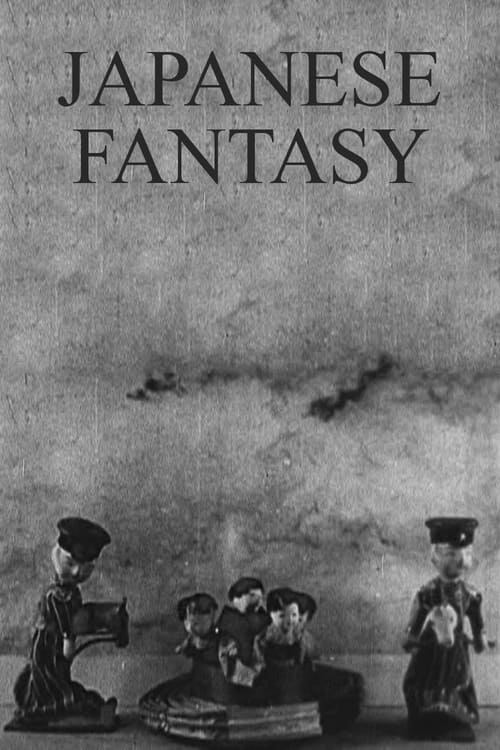
Japanese Fantasy
1909
No user ratings available yet
Representation score: 0.3 out of 10
Representation Score
Limited
1929
Director
Yasuji Murata, Chuzo Aochi
Runtime
11 minutes
Average Rating
No ratings yetNew Showbiz Analysis
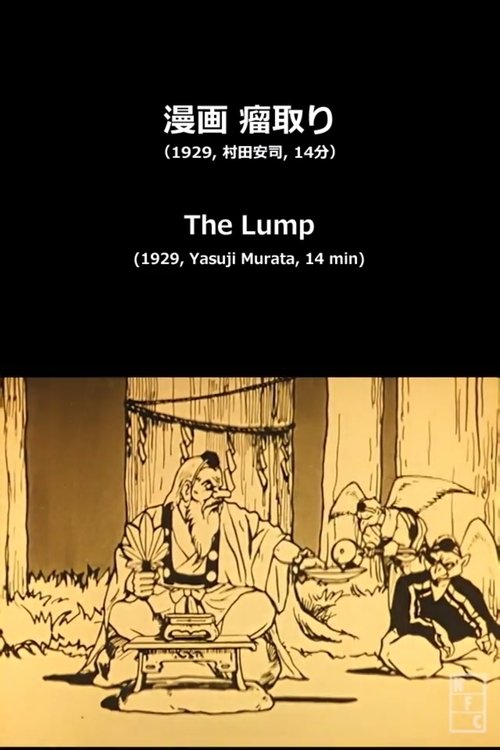
The film serves as a foundational piece of Japanese animation history by providing a non-Western perspective through its use of folklore. By centering Japanese mythology, it offers a cultural alternative to Western-centric narratives of the time. However, the film lacks modern complexity in its representation of diversity. The narrative appears limited to a traditional male protagonist and does not document any representation of gender diversity or LGBTQ+ identities. While the central character's physical deformity provides a baseline for disability representation, the film's overall approach does not intentionally challenge social hierarchies.
Category Breakdown
The film does not include any LGBTQ+ characters or identities that go beyond the assumption that everyone is straight. The story focuses solely on a single protagonist and mythological beings.
The story centers on an elderly male character, indicating a traditional male-focused narrative. There are no female characters shown to have significant roles in driving the story or challenging gender hierarchies.
As an early Japanese animation, the film offers a non-Western perspective by focusing on Japanese folklore. However, it lacks a diverse cast representing multiple ethnicities.
The use of Tengu and Japanese mythology shifts the focus away from Western traditions, introducing supernatural elements and non-traditional spiritual beliefs into the story.
The main character has a significant physical deformity, such as a facial lump. While this provides visibility for physical differences, it may rely on outdated clichés.
Present on Screen
Limited or Absent
Official Synopsis
An old man with a huge lump on his face encounters a band of Tengu in the mountains.
1909
2018
1955
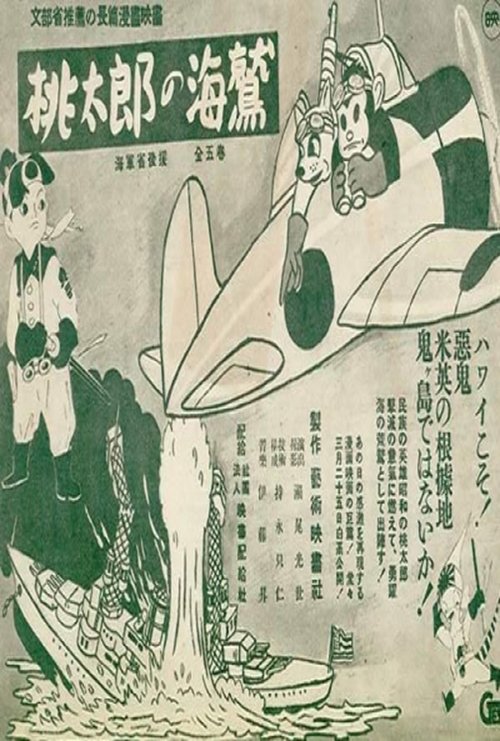
1943
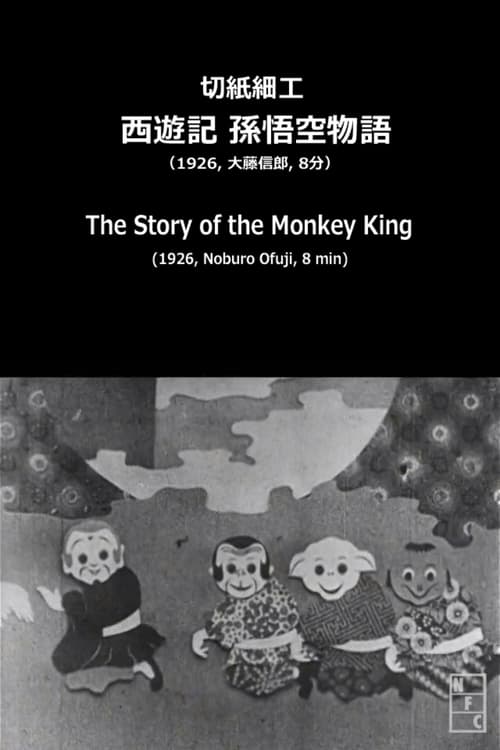
1926
1932
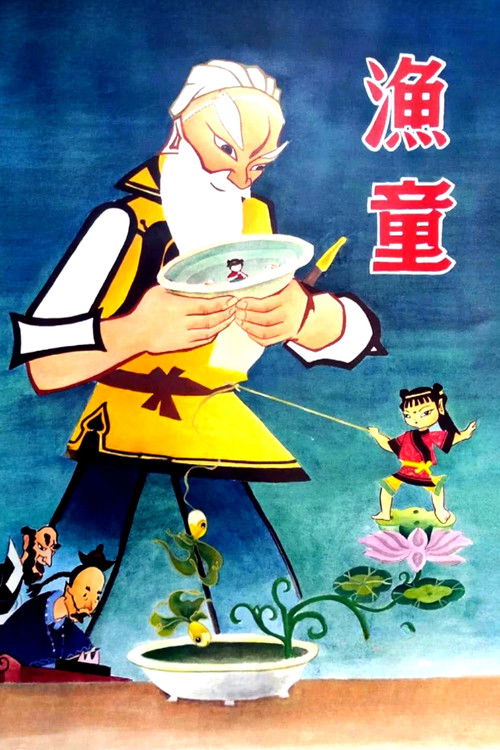
1959
1954
No reviews yet. Be the first to share your thoughts on this movie!
Use the rating form above to leave a star rating and optional review.