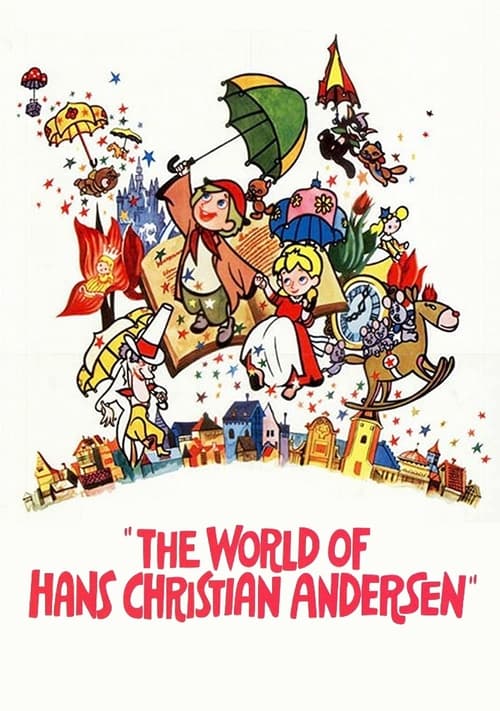
The World of Hans Christian Andersen
1968
No user ratings available yet
Representation score: 3.1 out of 10
Representation Score
Minimal
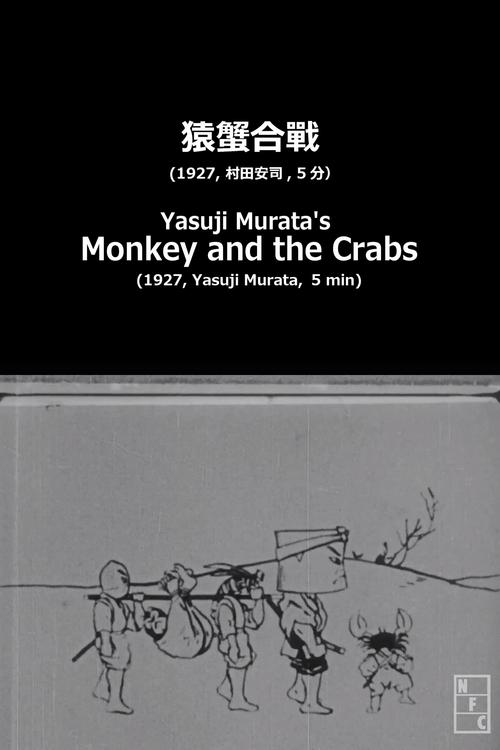
1927
Director
Yasuji Murata
Runtime
5 minutes
Average Rating
No ratings yetNew Showbiz Analysis
Monkey and the Crabs is a historical piece of early Japanese animation rather than a work designed for modern diversity representation. Its significance lies in its role as a non-Western contribution to early animation history, breaking the Western dominance in early animation. However, the film's reliance on traditional folklore means it adheres to conventional social hierarchies and moralistic structures. It lacks the intentionality needed for progressive social frameworks, focusing instead on cultural preservation and didactic storytelling typical of the 1920s.
Category Breakdown
The film does not include any representation of LGBTQ+ identities or same-sex relationships. The traditional story structure does not provide a platform for queer characters.
The film upholds traditional gender roles and power dynamics common in early 20th-century storytelling. It does not feature any characters who challenge these norms or have significant influence over the plot.
As a Japanese production, the film offers a non-Western viewpoint. It stands as a crucial example of non-Anglo-Saxon storytelling in the early days of animation.
The film emphasizes cultural preservation through traditional Japanese values. It reinforces societal norms rather than questioning institutional traditions.
The film does not include any characters with visible or invisible disabilities used as plot devices or given a significant role in driving the story.
Present on Screen
Limited or Absent
Official Synopsis
A Yasuji Murata version of the classic Japanese story Saru Kani Gassen.
1968

1974
1978
1928
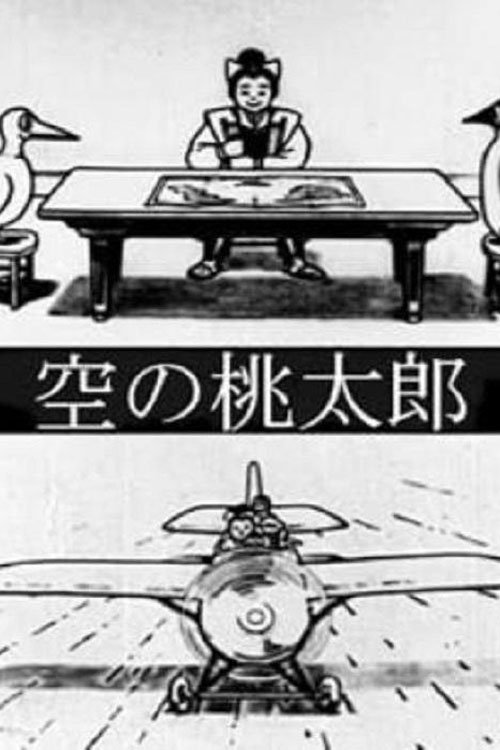
1931
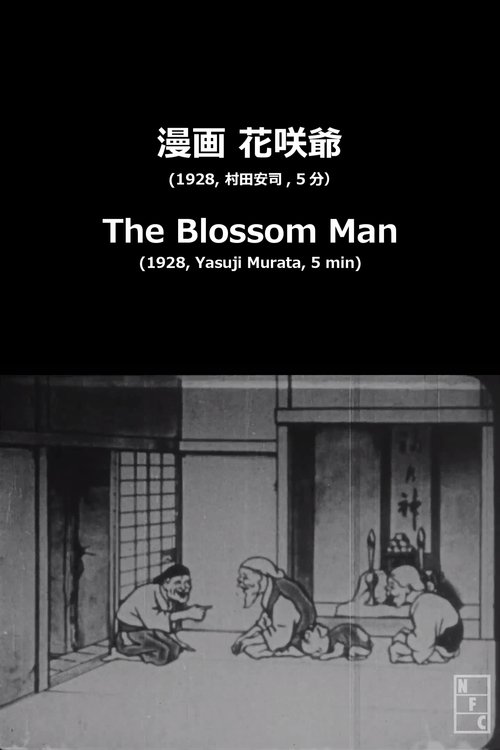
1928
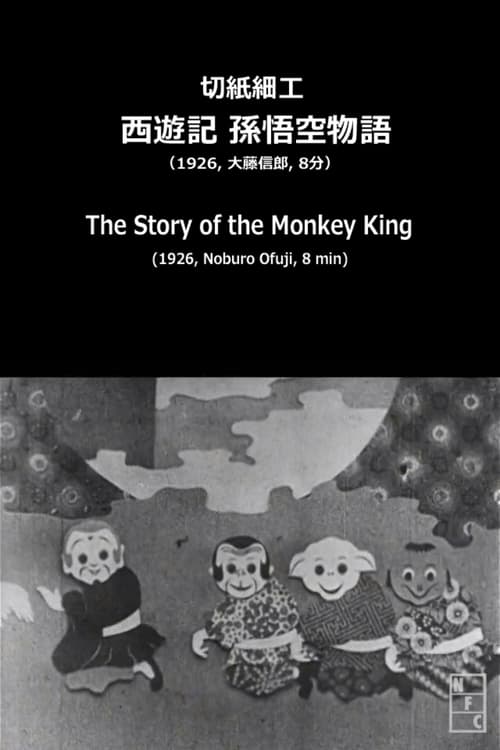
1926
1930
No reviews yet. Be the first to share your thoughts on this movie!
Use the rating form above to leave a star rating and optional review.