
Jonestown: The Life and Death of Peoples Temple
2006
No user ratings available yet
Representation score: 6.3 out of 10
Representation Score
Good
2021
Director
Ruán Magan
Runtime
91 minutes
Average Rating
No ratings yetNew Showbiz Analysis
The film serves as a critical historical inquiry into systemic failure. It challenges conventional imperial histories by centering the lived experiences of a underrepresented ethnic group facing existential threats. The work's strength lies in its critique of 19th-century institutional structures. It frames the famine as a consequence of socio-economic hierarchies rather than just a natural disaster. However, the documentary lacks contemporary identity-based representation. The historical focus limits the inclusion of diverse modern social identities.
Category Breakdown
The documentary focuses on mid-19th-century survival and mass mortality. There are no LGBTQ+ character arcs or stories that challenge the assumption that everyone is straight or cisgender.
The film maintains a neutral stance on gender roles. It does not explicitly detail specific gendered experiences or domestic structures within the famine.
The narrative centers on the Irish population facing systemic oppression. It prioritizes the ability to act and suffering of this ethnic group against a dominant imperial power.
The film critiques traditional Western institutional narratives by highlighting British administrative failures. It frames the famine as a consequence of mismanagement and imperialist structures.
The documentary addresses the physical vulnerabilities and bodily trauma caused by starvation. It treats the physiological state of the population as a central narrative element.
Present on Screen
Limited or Absent
Official Synopsis
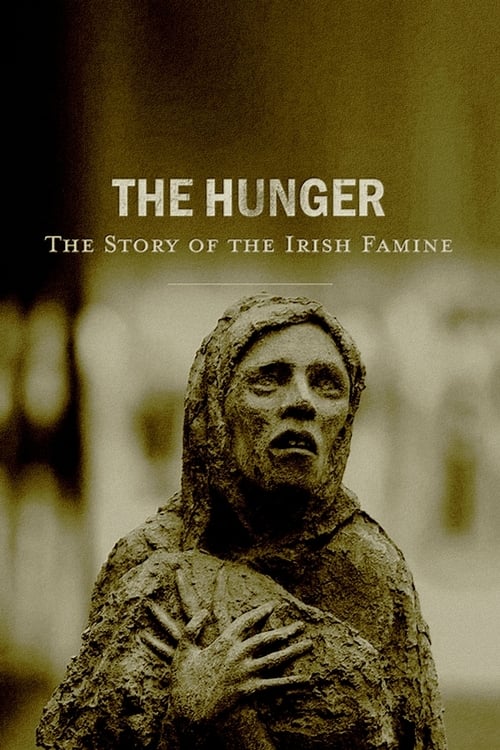
Ireland, 1845. When a deadly fungus destroys potato crops throughout northern Europe, the most impoverished Irish population, whose main source of food is precisely the potato, suffers a cruel famine that will cause more than a million deaths and, in the following ten years, the mass exodus of more than two million people.
2006

2018

2011

2014

2019

2019

2015

2008
No reviews yet. Be the first to share your thoughts on this movie!
Use the rating form above to leave a star rating and optional review.