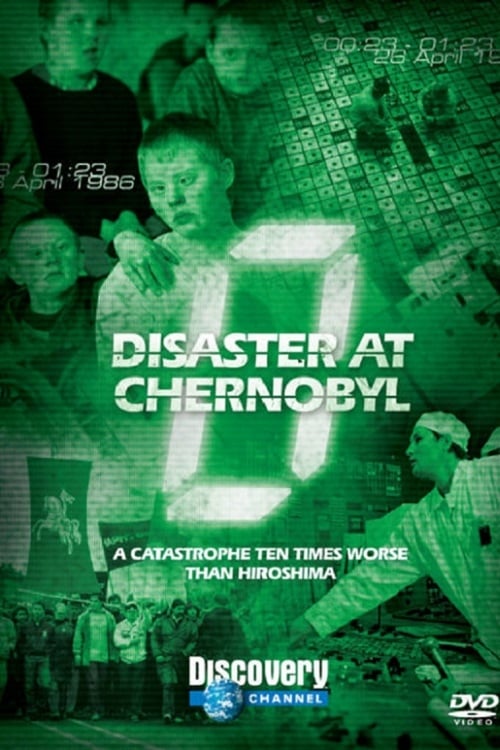
Disaster at Chernobyl
2004
No user ratings available yet
Representation score: 1.3 out of 10
Representation Score
Limited
2015
Director
Daniel Baar
Runtime
44 minutes
Average Rating
No ratings yetNew Showbiz Analysis
This documentary functions as a historical and scientific retrospective centered on the 1986 disaster and subsequent engineering efforts. Because the subject matter is rooted in industrial history and nuclear physics, the film lacks the character-driven frameworks necessary to evaluate complex social identities. The narrative structure prioritizes technical reporting and archival preservation. Consequently, it does not engage with interpersonal power dynamics or the subversion of social hierarchies. Ultimately, the film's focus on environmental science and structural mitigation means that identity-based representation is not a primary driver of the content.
Category Breakdown
The documentary focuses on the technical and environmental aftermath of a nuclear disaster. There are no LGBTQ+ characters or narratives present.
The film likely features scientists and engineers, but prioritizes technical expertise over gendered social commentary. It lacks evidence of gendered power dynamics or the subversion of traditional roles.
The subject matter is centered on the Soviet Union. While experts likely reflect regional demographics, the narrative does not use race or ethnicity to explore multi-layered identities.
The film examines systemic failure within a specific historical geopolitical framework. It focuses on historical and environmental accountability rather than critiques of religion or capitalism.
The documentary focuses on nuclear heritage and structural engineering. There is no indication that neurodivergence or physical disabilities are central to the narrative.
Present on Screen
Limited or Absent
Official Synopsis
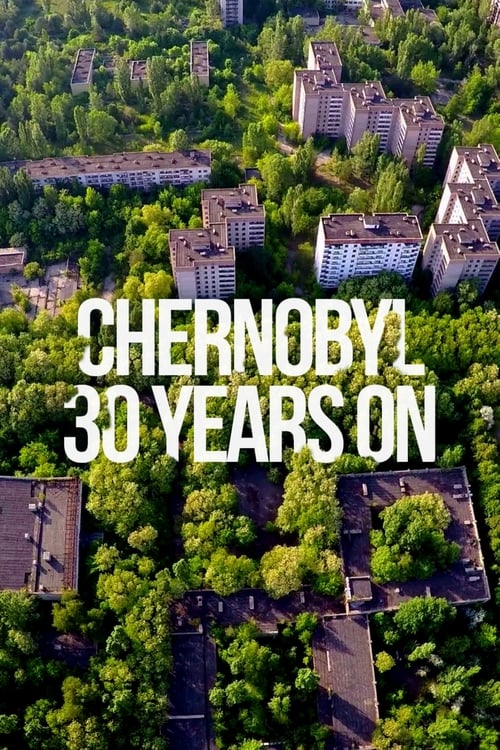
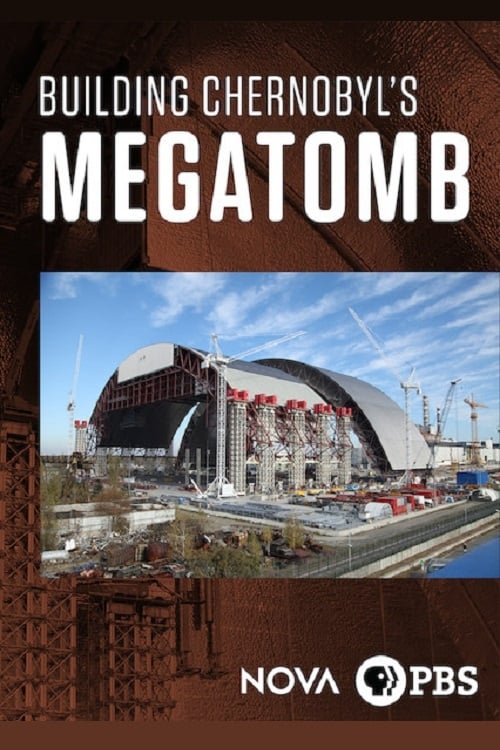
Thirty years after the Chernobyl disaster, which occurred on the night of April 26, 1986, its causes and consequences are examined. In addition, a report on efforts to strengthen the structures covering the core of the nuclear plant in order to better protect the population and the environment is offered.
2004
2019
2007

2017
2021
2016
2010

2021
No reviews yet. Be the first to share your thoughts on this movie!
Use the rating form above to leave a star rating and optional review.