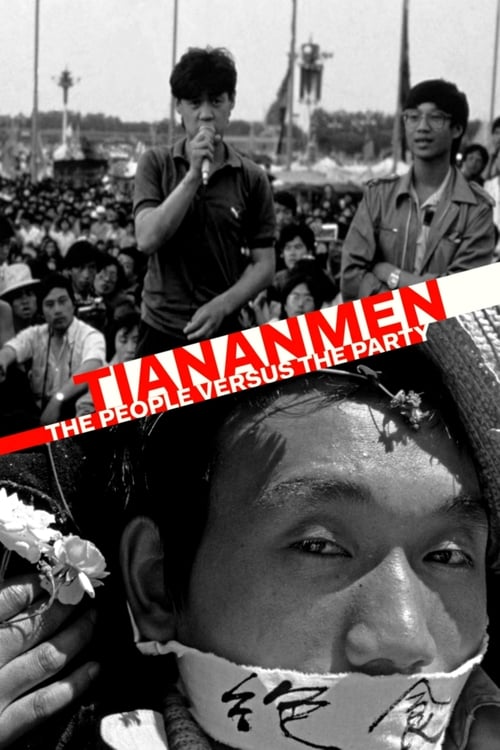
Tiananmen: The People Versus the Party
2019
No user ratings available yet
Representation score: 8.9 out of 10

Representation Score
Good
2006
NRDirector
Stanley Nelson
Runtime
86 minutes
Average Rating
No ratings yetNew Showbiz Analysis
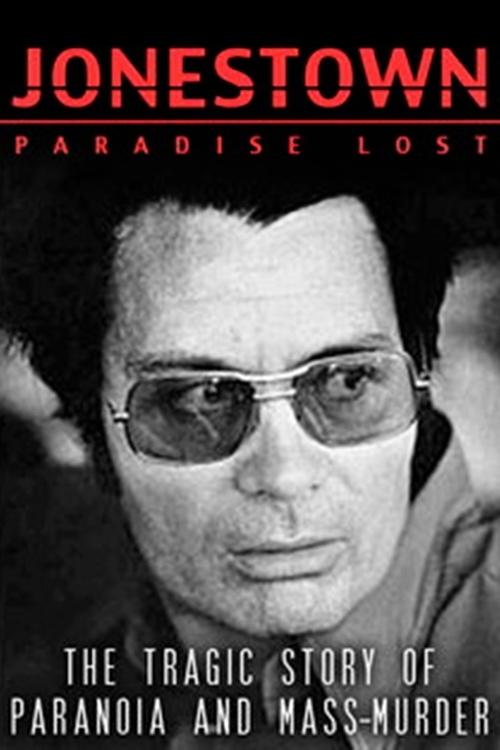
Stanley Nelson’s documentary offers a nuanced look at the Peoples Temple, emphasizing its efforts to integrate socially. The film’s strongest point is its depiction of racial diversity, showing a movement actively challenging segregationist hierarchies. The documentary also successfully critiques traditional Western institutions like the nuclear family and capitalism. This provides a multifaceted view of identity politics and the quest for equality. However, the film does not specifically focus on LGBTQ+ identities or individual disabilities, which remain secondary to the broader racial and communal themes.
Category Breakdown
The film emphasizes racial and religious community aspects rather than LGBTQ+ identities. While it challenges traditional family structures, it does not center LGBTQ+ narratives.
Women play key leadership roles and manage internal power dynamics within the movement. Despite Jim Jones' patriarchal influence, women are shown taking active roles in the organization.
The documentary effectively portrays the diverse racial makeup of the movement, featuring Black, white, and interracial families. This counters the typical homogenous depictions of mid-century America.
The film explores the rejection of Western institutional norms and anti-capitalist ideas. It highlights the creation of a communal space in Guyana as a critique of mainstream American social structures.
The documentary addresses psychological manipulation and mental health issues in high-control environments. However, it does not focus on specific disabilities as primary narrative drivers.
Present on Screen
Limited or Absent
Official Synopsis
Featuring never-before-seen footage, this documentary delivers a startling new look at the Peoples Temple, headed by preacher Jim Jones who, in 1978, led more than 900 members to Guyana, where he orchestrated a mass suicide via tainted punch.
2019
2014
2007
2012

2021

2015

2018
2020
No reviews yet. Be the first to share your thoughts on this movie!
Use the rating form above to leave a star rating and optional review.