The Hunger: The Story of the Irish Famine
2020
No user ratings available yet
Representation score: 6.0 out of 10
Representation Score
Fair
2011
TV-14Director
Austin Hoyt, Aisiyuak Yumagulov
Runtime
52 minutes
Average Rating
No ratings yetNew Showbiz Analysis
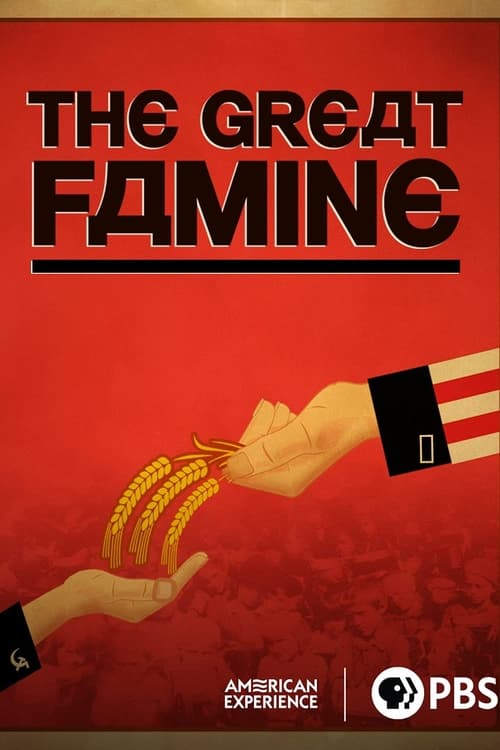
The film serves as a historical record of a massive humanitarian crisis, focusing on macro-level geopolitical events. Given the historical context, the narrative is limited by the specific power dynamics and social structures of the time. While the documentary captures a diverse demographic of Soviet citizens, the storytelling emphasizes Western institutional leadership. This creates a divide where the diverse population is depicted as recipients of aid rather than active agents of change. Ultimately, the documentary prioritizes documenting systemic failure over exploring modern multi-layered themes. It lacks the structure to delve deeply into identity-based ability to act beyond the immediate context of the famine.
Category Breakdown
There are no LGBTQ+ characters or narratives exploring non-straight relationships in this historical overview of the 1921 Soviet Russian crisis.
The narrative centers on the American Relief Administration and Herbert Hoover's efforts. Traditional masculine leadership structures typical of early 20th-century diplomacy are highlighted.
The film addresses diverse Soviet populations as the main subjects of the famine. However, the ability to act of these populations is divided between recipients and aid providers.
The documentary examines the tension between Western humanitarian intervention and a collapsing Soviet state. It documents the scale of the disaster without taking sides politically.
Disability is shown as a result of starvation and systemic neglect. These portrayals highlight the tragedy without giving characters nuanced roles.
Present on Screen
Limited or Absent
Official Synopsis
When a devastating famine descended on Soviet Russia in 1921, it was the worst natural disaster in Europe since the Black Plague in the Middle Ages. Examine Herbert Hoover’s American Relief Administration—an operation hailed for its efficiency, grit and generosity. By the summer of 1922, American kitchens were feeding nearly 11 million Soviet citizens a day.
2020

2000
2022

2015

2020

2012

2012

2019
No reviews yet. Be the first to share your thoughts on this movie!
Use the rating form above to leave a star rating and optional review.