
Jonestown: The Life and Death of Peoples Temple
2006
No user ratings available yet
Representation score: 6.3 out of 10
Representation Score
Excellent
2019
PG-13Director
Ian MacMillan, Audrey Maurion
Runtime
112 minutes
Average Rating
No ratings yetNew Showbiz Analysis
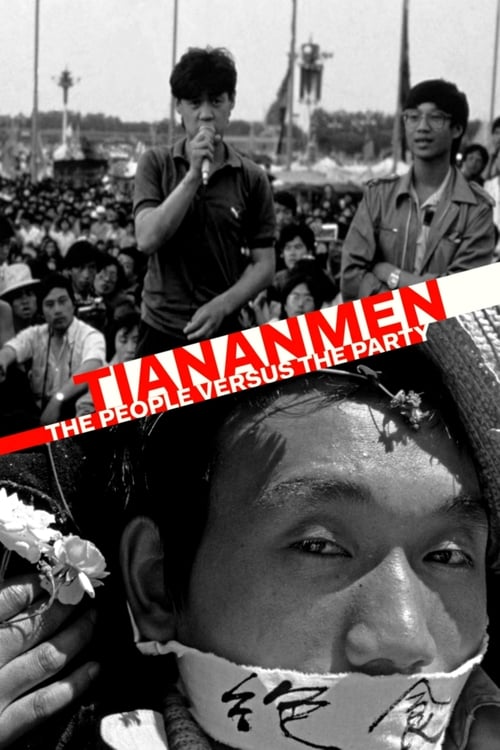
This documentary serves as a critique of monolithic political structures by emphasizing the ability to act of individual demonstrators against systemic state repression. It functions as a piece of historical revisionism that challenges singular, state-led narratives. The film's strength lies in its ability to shift the lens away from Western-centric historical storytelling. By focusing on the tension between grassroots movements and centralized authority, it highlights the friction between the individual and the institution. While the work does not engage with contemporary identity politics or specific underrepresented identities like LGBTQ+ or disability groups, its focus on the underrepresented protesters against a dominant power structure aligns with progressive narrative frameworks.
Category Breakdown
The documentary does not provide explicit evidence regarding LGBTQ+ narratives or non-cisgender identities. The score reflects a neutral baseline for a historical political documentary.
The film focuses on the collective force of 'the people' to disrupt male-dominated state hierarchies. This framework highlights a diverse range of gender roles and experiences.
By centering on the Chinese populace, the film provides a non-Western-centric perspective. It challenges Western-centric dominance by focusing on East Asian political struggles.
The narrative prioritizes individual liberty and anti-authoritarianism. It frames the struggle as one of democracy against a repressive, state-driven collectivist regime.
There is no specific evidence regarding the portrayal of neurodivergence or physical disabilities. The score remains at a neutral baseline.
Present on Screen
Limited or Absent
Official Synopsis
The true story of the seven weeks that changed China forever. On June 4, 1989, pro-democracy demonstrations were violently and bloodily repressed. Thousands of people died, but the basis for China's future was definitely planted.
2006
2019

2021
2014

2006

2013
2021
2015
No reviews yet. Be the first to share your thoughts on this movie!
Use the rating form above to leave a star rating and optional review.