Paris, mi-carême : char de la reine des reines
1897
No user ratings available yet
Representation score: 0.4 out of 10
Representation Score
Minimal
1897
Director
Auguste Lumière, Louis Lumière
Runtime
1 minutes
Average Rating
No ratings yetNew Showbiz Analysis
This archival actuality film functions as a historical record of a Parisian carnival rather than a narrative medium. Because it lacks character arcs, dialogue, or scripted conflict, it cannot engage with complex themes of identity or systemic issues. The film's low diversity score is a reflection of its nature as an early observational documentary. It lacks the structural complexity required to facilitate inclusive representation or the subversion of traditional social hierarchies. Ultimately, the work serves to document a specific moment in time, capturing the demographic and social norms of late 19th-century France without intentional social commentary.
Category Breakdown
The footage does not show any clear representations of LGBTQ+ identities or social dynamics. As a brief recording of a public parade, it does not address or critique the assumption that everyone is straight or cisgender.
Women are visible in the crowd but appear in passive roles typical of the era’s public decorum. There is no evidence of challenging traditional gender hierarchies or disrupting masculine leadership.
The visual record reflects the demographic homogeneity of a late 19th-century Parisian urban center. The procession is made up of local citizens, showing no significant evidence of racial diversity.
The film captures a traditional Western celebratory ritual. It documents the preservation of a communal, historical tradition without engaging in the deconstruction of Western institutions.
There is no specific focus on individuals with visible or invisible disabilities. The footage captures a general crowd without any intentionality toward neurodiversity or physical impairment.
Present on Screen
Limited or Absent
Official Synopsis
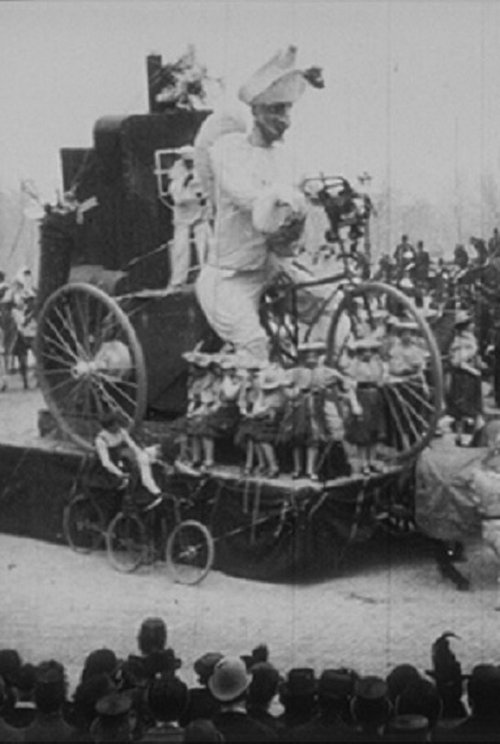
Parade of the Prince Carnival float, then of costumed people and horse-drawn carriages.
1897
1898
1896
1896
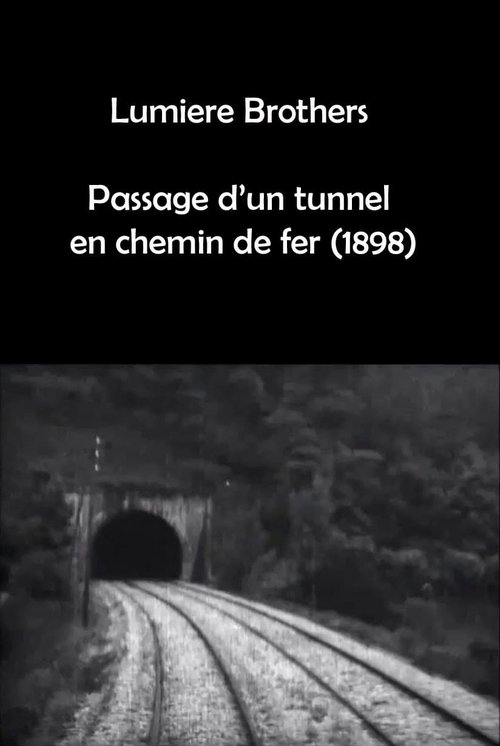
1898
1896
1896
1899
No reviews yet. Be the first to share your thoughts on this movie!
Use the rating form above to leave a star rating and optional review.