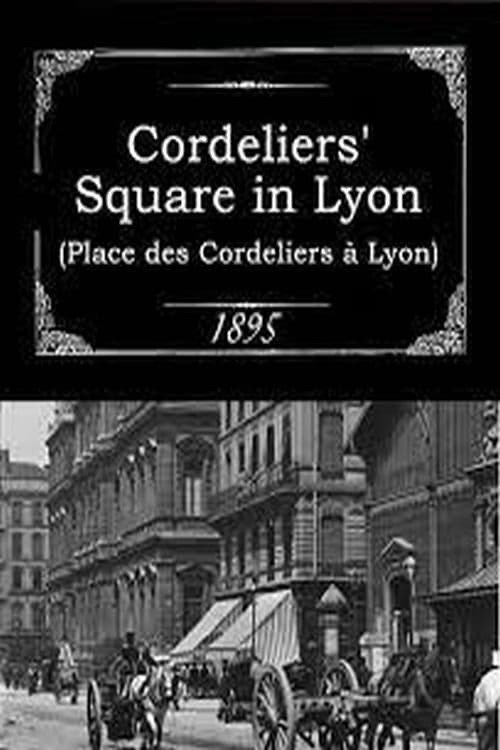
Cordeliers' Square in Lyon
1895
No user ratings available yet
Representation score: 1.1 out of 10
Representation Score
Minimal
1899
Director
Louis Lumière
Runtime
1 minutes
Average Rating
No ratings yetNew Showbiz Analysis
This documentary captures a public carriage procession in 1899 Paris. Since it is purely observational, it doesn't aim to address modern diversity issues. Instead, it serves as a window into the social norms and technological changes of the Belle Époque era. The film reflects the specific social hierarchy and cultural norms of the time without trying to challenge them.
Category Breakdown
There are no clear signs of LGBTQ+ characters or themes in the film. Given its focus on a 1899 Parisian procession, it doesn't have the narrative space to explore non-straight relationships.
Women are shown in the film but within the strict social roles of the 19th century. They don't seem to have much influence or challenge traditional roles.
The film mainly shows a crowd of white Europeans. This reflects the social structure and historical context of Paris in the late 19th century.
The film highlights the culture and technological advancements of Belle Époque Paris. It upholds traditional Western social structures without questioning them.
Because the film is a short, observational documentary, there is no clear depiction of people with physical or cognitive disabilities.
Present on Screen
Limited or Absent
Official Synopsis
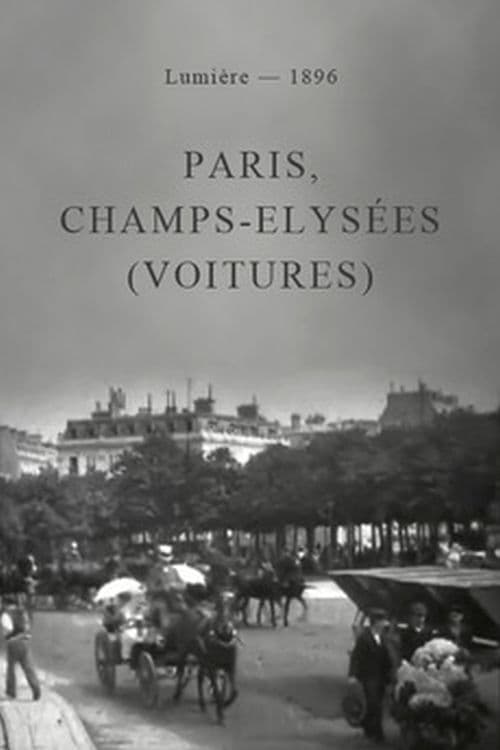
Carriages travel down the Champs Elysée.
1895
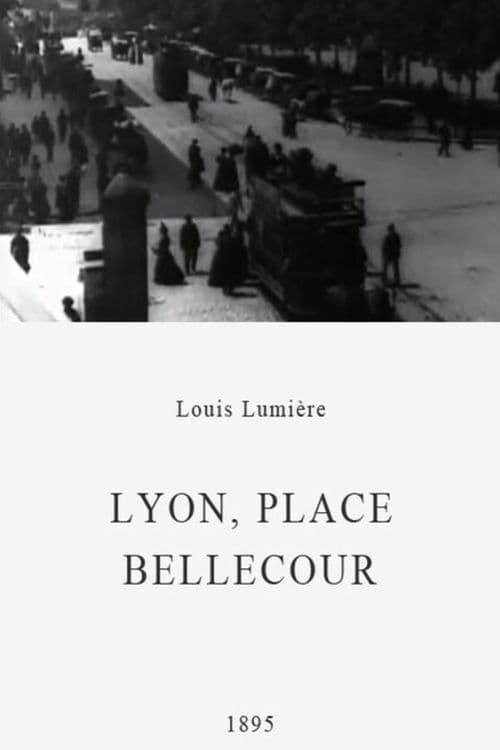
1895
1900
1896
1897
1896
1897
![Movie poster for Carnaval, [I]](https://image.tmdb.org/t/p/w500/8CLzi6Y6t9XO0oVtXB6cSJxICEv.jpg)
1897
No reviews yet. Be the first to share your thoughts on this movie!
Use the rating form above to leave a star rating and optional review.