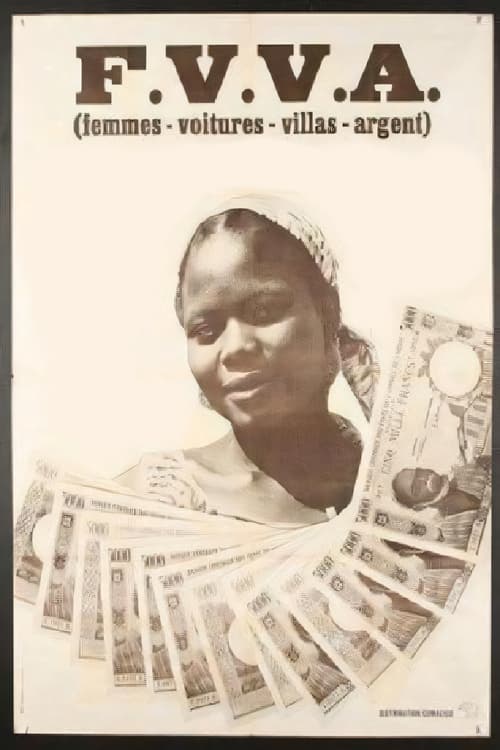
Women Cars Villas Money
1972
No user ratings available yet
Representation score: 5.8 out of 10
Representation Score
Limited
1968
Not RatedDirector
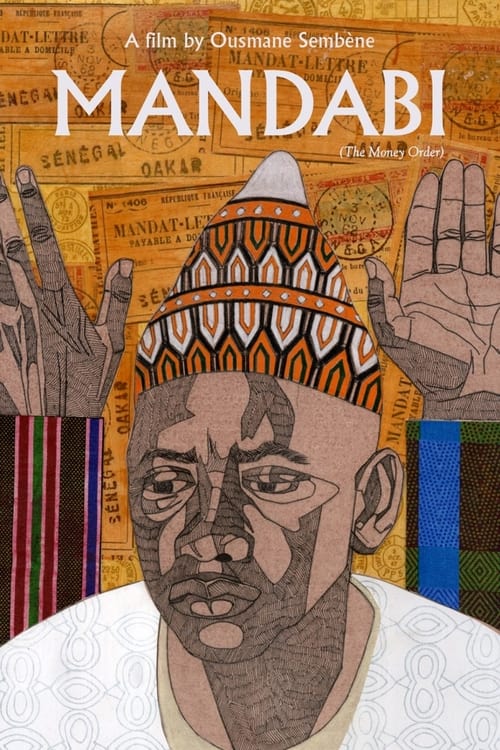
Ousmane Sembène
Runtime
92 minutes
Average Rating
No ratings yetNew Showbiz Analysis
Ousmane Sembène’s Mandabi is a landmark of post-colonial cinema that centers the African experience. It succeeds by replacing the Western gaze with a localized perspective, focusing on the friction between traditional values and corrupt, imported bureaucratic systems. While the film excels in racial and cultural authenticity, it remains bound by the social hierarchies of its era. The narrative focus is heavily patriarchal, centering on the male struggle against the state while relegating women to domestic spheres. Ultimately, the film is a powerful tool of anti-colonial critique, though it offers little representation regarding gender ability to act or LGBTQ+ identities.
Category Breakdown
The film does not include any LGBTQ+ characters or non-straight identities. It emphasizes traditional family and community structures without challenging the assumption that everyone is straight or cisgender.
The male protagonist, Samba Diallo, plays a central role. Women are important to the domestic life but are portrayed within conventional roles, with the story focusing on male experiences in public spaces.
The film offers an authentic Senegalese experience through an all-Black cast. It challenges the Western-centric viewpoint by highlighting a localized, actively leading portrayal of African citizens.
The story provides a nuanced critique of Western-style capitalism and colonial legacies. It highlights the tension between traditional African values and the impersonal nature of modern bureaucracy.
There are no significant depictions of visible or invisible disabilities used as central plot devices or character traits.
Present on Screen
Limited or Absent
Official Synopsis
A money order from a relative in Paris throws the life of a Senegalese family man out of order. He deals with corruption, greed, problematic family members, the locals and the changing from his traditional way of living to a more modern one.
1972
1967

1970
1992
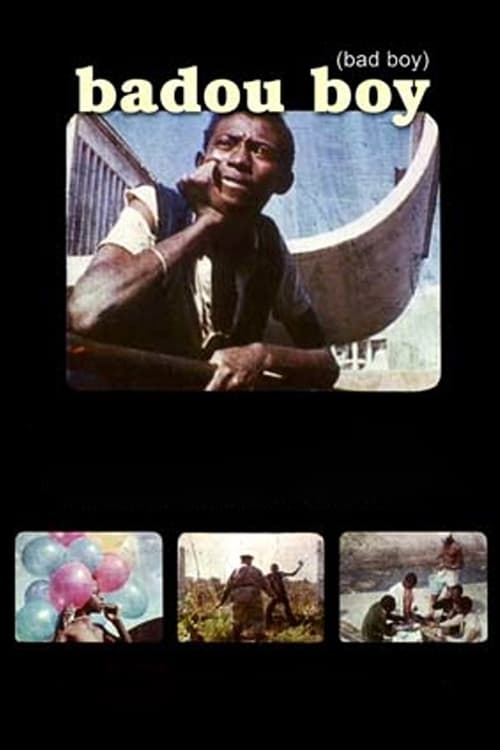
1970

1998

1998
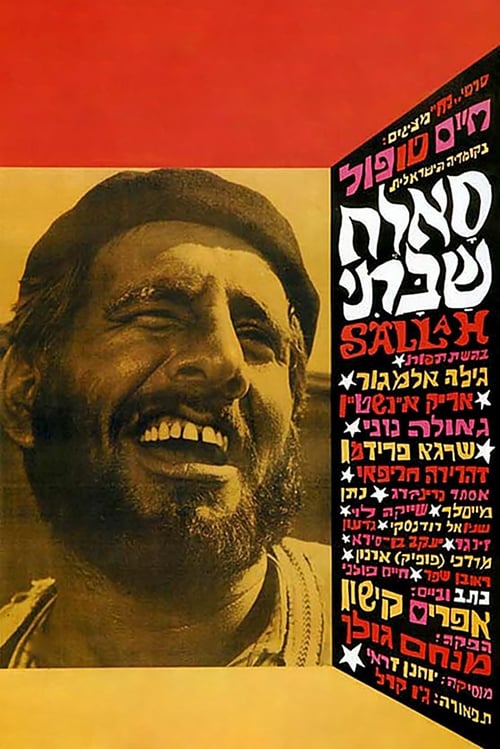
1964
No reviews yet. Be the first to share your thoughts on this movie!
Use the rating form above to leave a star rating and optional review.