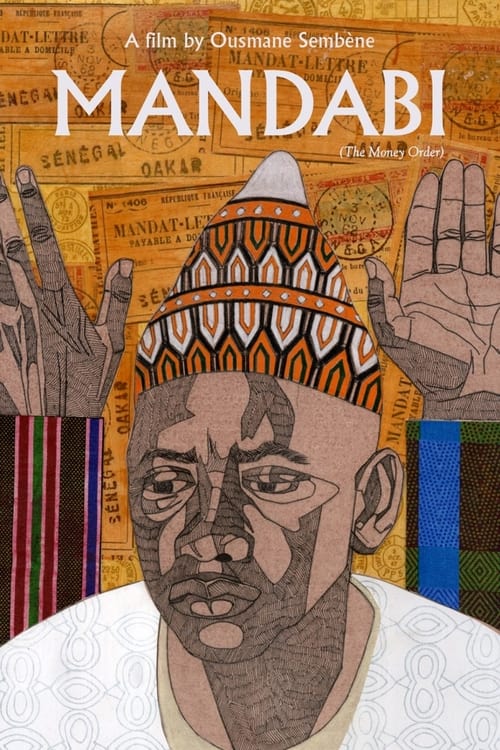
Mandabi
1968
No user ratings available yet
Diversity score: 6.5 out of 10

2001
Director
Tanvir Mokammel
Runtime
110 minutes
Average Rating
No ratings yetSynopsis
In this tragic-comic study of religious hypocrisy, a disreputable cleric convinces villagers that their community is home to a famous holyman's grave.
Overall Score
Good
Category Breakdown
LGBTQ+ Representation
The film focuses on the macro-societal shifts of the Partition era. There are no discernible queer narratives or non-cisnormative identities within the plot.
Gender Representation
Women navigate the intersection of domesticity and political upheaval. While their resilience provides depth, the film largely operates within traditional early 20th-century gender hierarchies.
Racial & Ethnic Diversity
The narrative serves as a profound exploration of Bengali identity. It centers the lived experience of a colonized people, disrupting Western-centric historical perspectives.
Religious & Cultural Diversity
The film utilizes a post-colonial lens to deconstruct the impact of imperialist legacies. It frames colonial administrative decisions as sources of profound systemic trauma.
Disability Representation
There is no significant evidence regarding the portrayal of physical or neurodivergent disabilities in this work.
Strengths
Areas for Improvement
AI Analysis
Tanvir Mokammel delivers a sophisticated study of post-colonial trauma, centering the Bengali experience against the backdrop of the Partition. The film excels by challenging conventional historical narratives and prioritizing the agency of a colonized population. However, the work remains tethered to the social constraints of its historical setting. This results in a lack of representation for LGBTQ+ identities and contemporary disability narratives. Ultimately, the film is a powerful critique of institutional legacies. It trades broad inclusivity for deep, specific cultural and ethnic authenticity.
1968
1990
1993

2021
2008
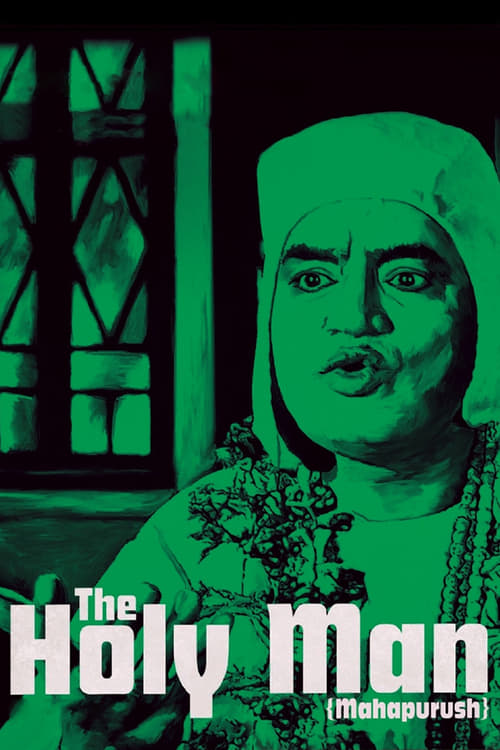
1965
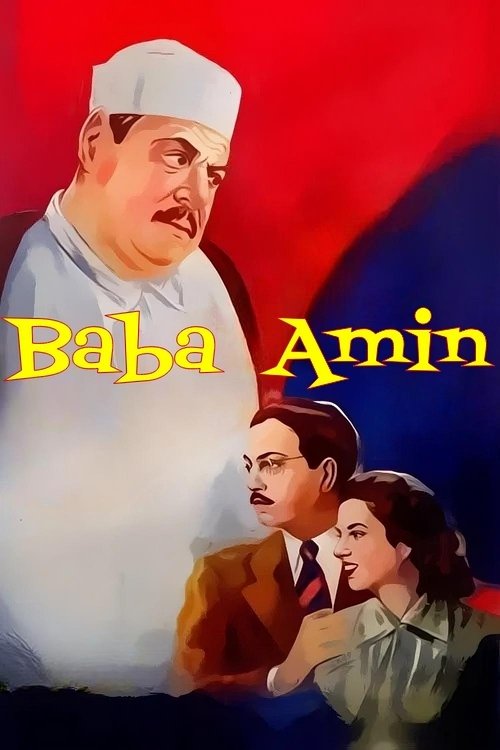
1950
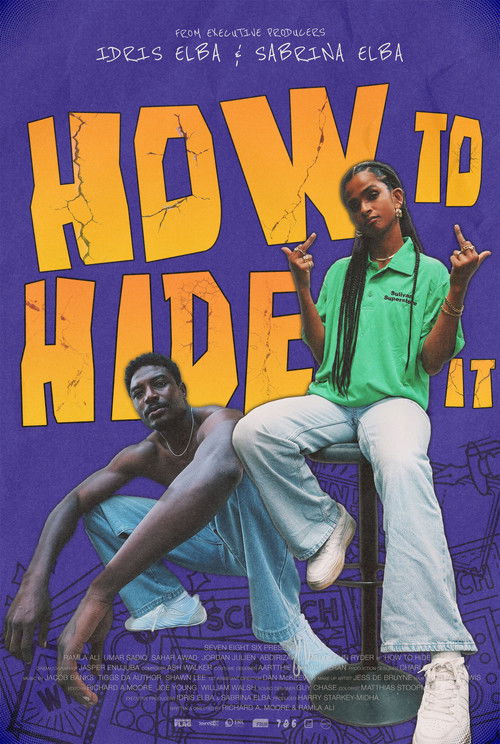
2026

1981
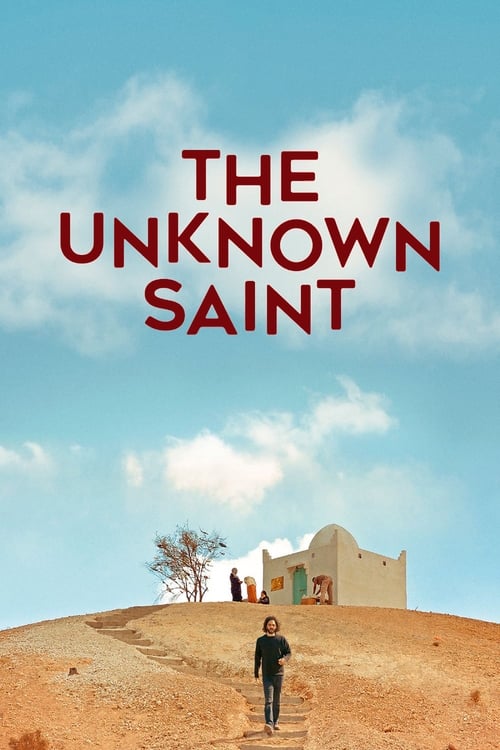
2020
2020

2019
No reviews yet. Be the first to share your thoughts on this movie!
Use the rating form above to leave a star rating and optional review.