
Bitter Sweetheart
2007
No user ratings available yet
Representation score: 5.3 out of 10
Representation Score
Limited
1990
UnratedDirector
Férid Boughedir
Runtime
98 minutes
Average Rating
No ratings yetNew Showbiz Analysis
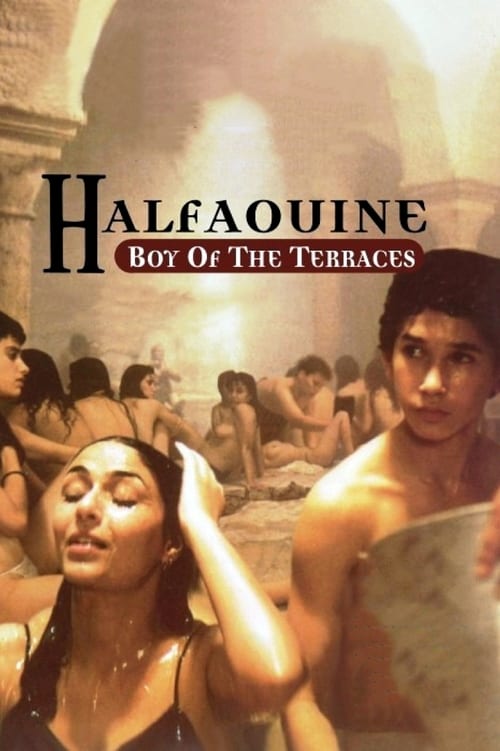
Halfaouine: Boy of the Terraces is a significant work of cultural preservation that successfully disrupts the colonial gaze. It centers a North African experience as the primary reality rather than an exoticized subject. The film's strength lies in its deep commitment to ethnic and cultural authenticity. By grounding the story in the specific social hierarchies of a Tunisian village, it offers a sophisticated, non-Western perspective on community and identity. However, the film operates strictly within traditional social norms. It lacks representation of LGBTQ+ identities and does not actively challenge the gendered divisions of space depicted in the narrative.
Category Breakdown
The film focuses on male adolescence within a traditional North African social structure. It does not include any non-straight or non-cisgender identities or same-sex relationships.
The narrative centers on male-driven ability to act and the transition to adulthood. It highlights gendered segregation, such as the protagonist's exclusion from women's baths.
The film achieves exceptional ethnic authenticity by using an entirely North African cast. It disrupts Western-centric standards by focusing on the Casbah of Algiers.
This post-colonial character study prioritizes local social and religious traditions. It emphasizes community identity over Westernized, individualistic storytelling models.
There are no prominent characters defined by visible or invisible disabilities. No such traits serve as central plot devices in this work.
Present on Screen
Limited or Absent
Official Synopsis
Twelve-year-old Noura dangles uncertainly in that difficult netherworld between childhood and adulthood. His growing libido has gotten him banned from the women's baths, where his mother took him when he was younger, but he's not yet old enough to participate in grown-up discussions with the men of his Tunisian village. Noura's only real friend is a troublemaker named Salih -- the village political outcast.
2007

2009
1996
2000
2013

2004
2012
1973
No reviews yet. Be the first to share your thoughts on this movie!
Use the rating form above to leave a star rating and optional review.