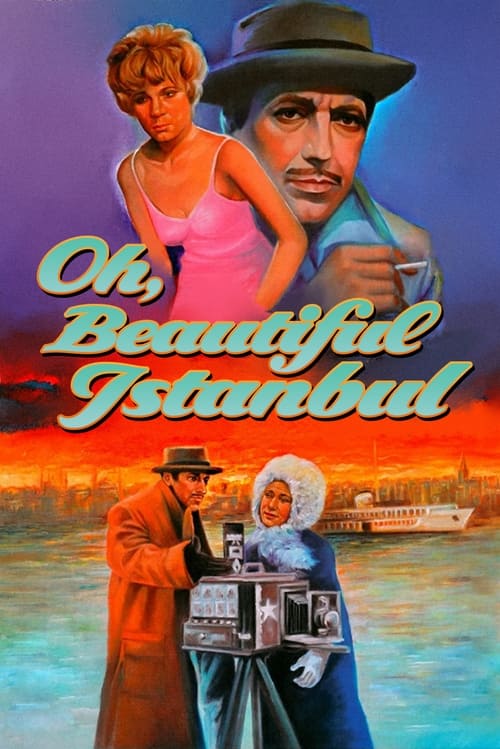
Oh, Beautiful Istanbul
1966
No user ratings available yet
Representation score: 5.1 out of 10
Representation Score
Fair
1980
Director
Atıf Yılmaz
Runtime
75 minutes
Average Rating
No ratings yetNew Showbiz Analysis
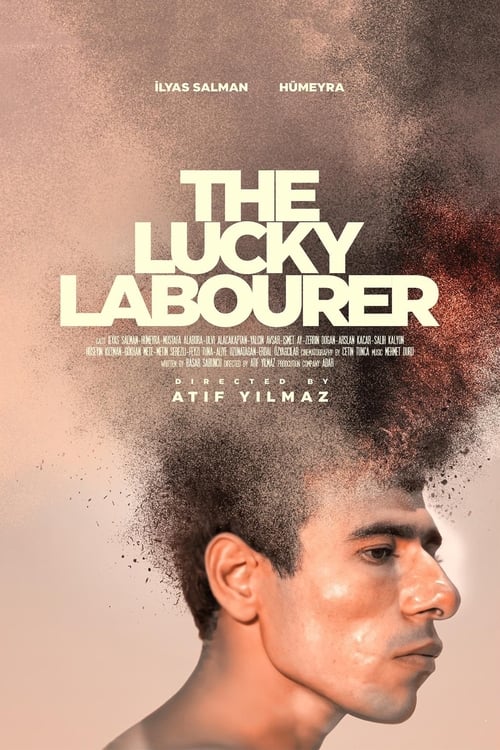
Talihli Amele serves as a critical examination of Turkey's evolving society in 1980. It emphasizes the socioeconomic struggles of the working class rather than focusing on identity-based issues. The protagonist's journey highlights the allure and pitfalls of consumerism. The film excels in its cultural commentary on the tension between traditional labor and modern media-driven society. It provides a nuanced view of how rapid modernization impacts individuals. However, the narrative lacks diversity in terms of gender and LGBTQ+ identities. It primarily centers on a traditional masculine perspective, offering limited representation of non-assuming gender matches what was assigned at birth or diverse gender experiences.
Category Breakdown
The film focuses on class struggle and socioeconomic mobility within the context of traditional heterosexual relationships. There are no queer narratives present.
The story revolves around a male laborer transitioning from manual work to media stardom. The narrative emphasizes his control over his destiny, reflecting traditional masculine roles.
The film highlights the migration of workers from rural areas to Istanbul, showcasing regional diversity. It centers on a migrant worker's experience, challenging the notion of a homogeneous urban life.
The movie critiques the rise of consumerism and capitalist influence. It examines the transformation of a worker into a media commodity, challenging Western consumer culture.
There is no documented evidence of characters with physical or neurodivergent disabilities in this work.
Present on Screen
Limited or Absent
Official Synopsis
A depiction of social satire, Talihli Amele [The Lucky Worker] (1980) shows the transformation of a young man who immigrated to Istanbul to provide a better life for his family. With hopes to become a successful mason, he suddenly finds himself the star of a TV commercial. Drawing attention to the rising consumerism culture and its effects on individuals in Turkey, the film was allowed to be shown with a State Council verdict.
1966

1977

1982

1967
1990
1978

1985

1988
No reviews yet. Be the first to share your thoughts on this movie!
Use the rating form above to leave a star rating and optional review.