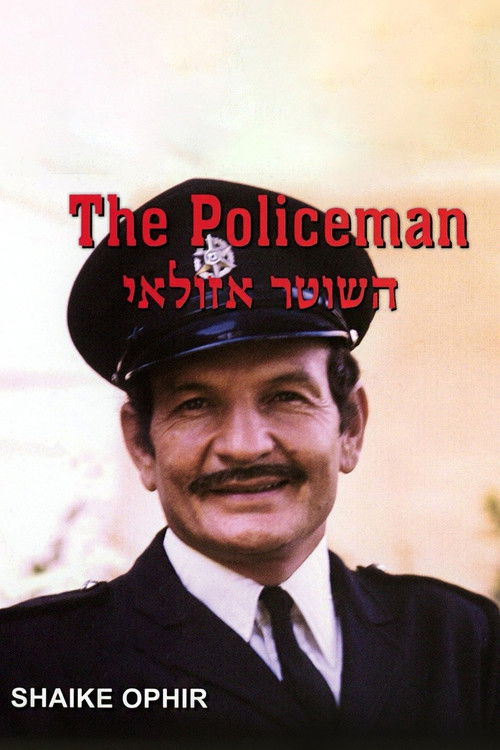
The Policeman
1971
No user ratings available yet
Representation score: 4.3 out of 10
Representation Score
Limited
1964
Not RatedDirector
Ephraim Kishon
Runtime
110 minutes
Average Rating
No ratings yetNew Showbiz Analysis
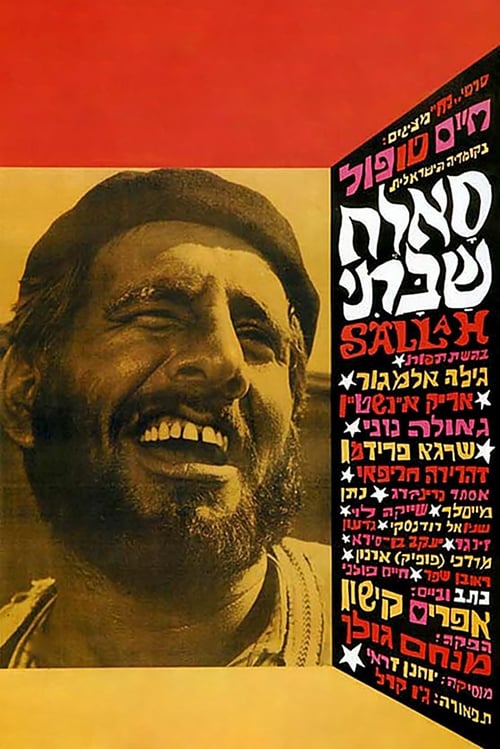
Sallah Shabati is a pioneering work of social satire that brings a historically underrepresented community to the forefront. Its strength lies in providing significant roles to characters of color within a specific ethnic context. However, the film is limited by the social norms of 1964. The narrative structure is heavily patriarchal, and the lack of LGBTQ+ representation reflects the mid-century Mediterranean social framework. Ultimately, the film's impact comes from its critique of institutional inefficiency and its rejection of an idealized state-driven national identity.
Category Breakdown
The film follows the assumptions of its time regarding sexual orientation and gender identity. There are no depictions of LGBTQ+ individuals or stories involving queer relationships.
The story focuses on the patriarchal figure of Sallah. Women play significant roles in domestic settings but do not challenge traditional gender hierarchies.
The film offers a substantial exploration of the Mizrahi experience. By focusing on a Yemeni-Jewish immigrant, it challenges the Eurocentric perspective often seen in early Israeli media.
The story critiques Western-style bureaucracies through the lens of immigrant struggles. It highlights the lived experiences of underrepresented groups rather than idealized nationalistic narratives.
There are no prominent depictions of physical or neurodivergent disabilities that serve as central plot drivers or character arcs.
Present on Screen
Limited or Absent
Official Synopsis
Sallah Shabati, the patriarch of a big family recently arrived to Israel from Yemen, tries to make money and get better housing, in a country that can barely provide for its own and is in the midst of absorbing hundreds of thousands of Jewish refugees from Arab countries.
1971

2017

2005

2007

2004

2023

2012

1998
No reviews yet. Be the first to share your thoughts on this movie!
Use the rating form above to leave a star rating and optional review.