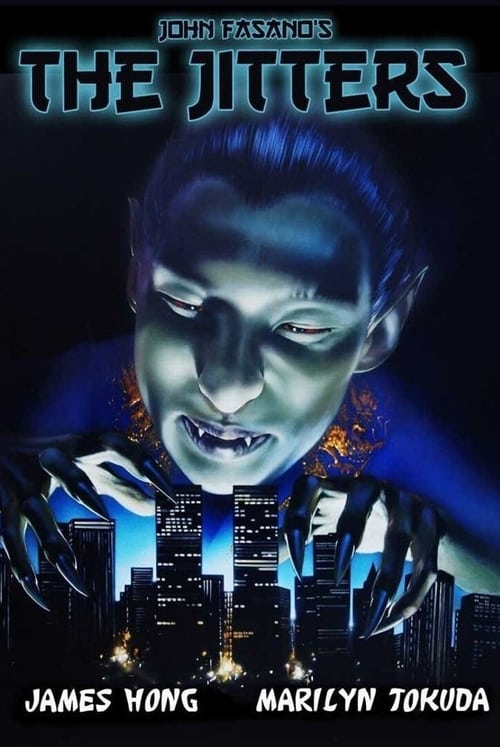
The Jitters
1989
No user ratings available yet
Representation score: 4.5 out of 10

Representation Score
Fair
2015
RDirector
Takashi Miike
Runtime
115 minutes
Average Rating
No ratings yetNew Showbiz Analysis
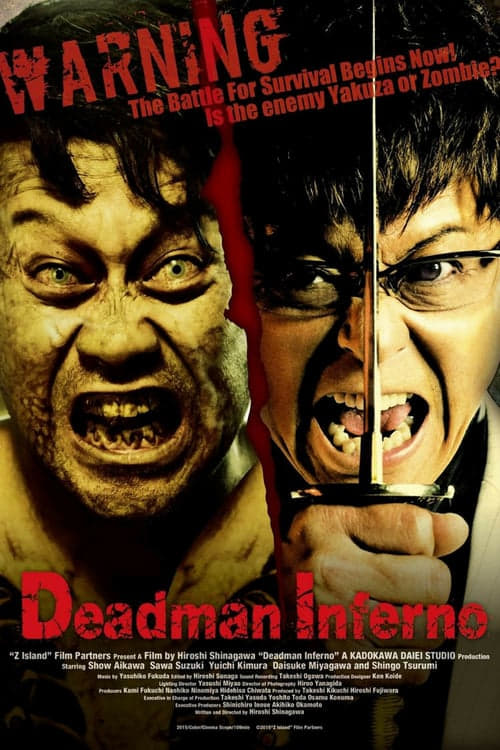
Takashi Miike’s film is a postmodern exercise in absurdity that prioritizes genre subversion over demographic inclusivity. The narrative is deeply rooted in a specific subculture, resulting in a homogeneous ensemble that lacks significant LGBTQ+ or female representation. While the film lacks in demographic diversity, it finds strength in its cultural deconstruction. By depicting a collapsed state, it rejects traditional institutional authority in favor of situational ethics and survivalism. Ultimately, the work functions as a culturally specific piece of genre cinema. It trades traditional social contracts for a chaotic, hyper-masculine landscape where moral clarity is replaced by postmodern chaos.
Category Breakdown
The film centers on the Yakuza underworld and lacks representation of non-cisgender identities or queer narratives.
The film features a predominantly male cast focused on criminal brotherhood. It lacks strong female representation and control over the story.
Casting is primarily Japanese, reflecting the film's specific cultural context. It functions as a culturally specific piece rather than a diverse one.
The film excels in challenging Western-centric institutional stability. It emphasizes moral relativism and survival over traditional civic duty.
Physical changes in characters serve as horror clichés rather than nuanced explorations of disability. Characters have limited control outside of the genre's apocalyptic mechanics.
Present on Screen
Limited or Absent
Official Synopsis
When young protege Akira Kageyama is bitten by his dying vampire boss, Genyo Kamiura, he must get used to his new powers before seeking revenge.
1989

2000
2004

2007

2009

2001
2015
2003
No reviews yet. Be the first to share your thoughts on this movie!
Use the rating form above to leave a star rating and optional review.