
Saturday Island
1952
No user ratings available yet
Representation score: 1.3 out of 10
Representation Score
Minimal
1946
NRDirector
Anthony Mann
Runtime
67 minutes
Average Rating
No ratings yetNew Showbiz Analysis
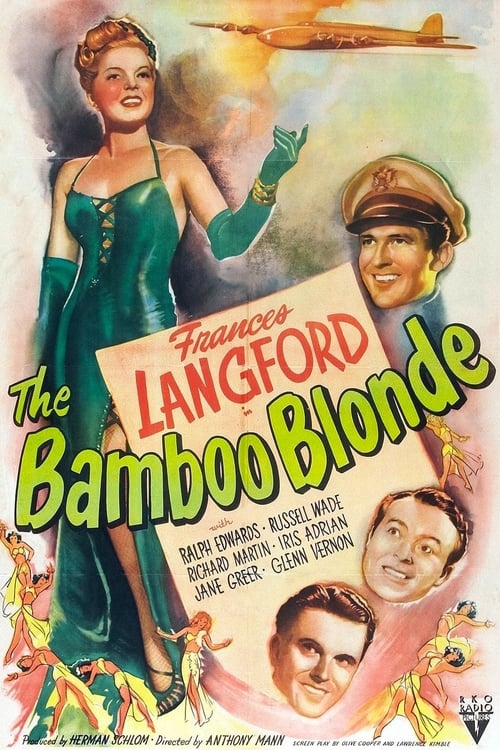
The Bamboo Blonde reflects the standard cinematic conventions of the post-WWII period. It centers on a traditional male hero's journey, where military achievement and romantic conquest are the main narrative drivers. While the film offers a romantic melodrama, it relies heavily on mid-century gender hierarchies and racialized imagery. The female lead is primarily defined by her role as a romantic interest and an aesthetic inspiration for nose art. Ultimately, the film celebrates Western military intervention and traditional romantic bonds, lacking the depth and diverse perspectives found in modern cinema.
Category Breakdown
The film focuses on a heterosexual relationship without addressing any LGBTQ+ identities or narratives that question heterosexuality.
The male protagonist drives the action through military heroism, while Louise Anderson is framed through romantic availability and aesthetic objectification. The protagonist's choice to leave a fiancée for Louise offers a minor disruption of domestic clichés.
The title and setting suggest a reliance on the exoticization of East Asian cultures. The portrayal seems to rely on typical period stereotypes rather than offering nuanced representations.
The story emphasizes traditional Western wartime values, focusing on patriotism and military heroism. It celebrates a hero's journey within a state-sanctioned military context.
There is no mention of characters dealing with physical, sensory, or neurodivergent conditions. No information is available to assess this category.
Present on Screen
Limited or Absent
Official Synopsis
A pilot of a B 29 meets Louise Anderson, a singer in a New York nightclub. He falls in love with her, but he had to leave next day for action in the Pacific. He lets paint her picture on his bomber, the "Bamboo Blonde" and becomes a hero with his crew sinking a Japanese battleship and shooting down a Japanese fighter wing. Back in New York, he leaves his fiancée and engages him to Louise.
1952
1958

1951
1957
1943
1964
1940
1949
No reviews yet. Be the first to share your thoughts on this movie!
Use the rating form above to leave a star rating and optional review.