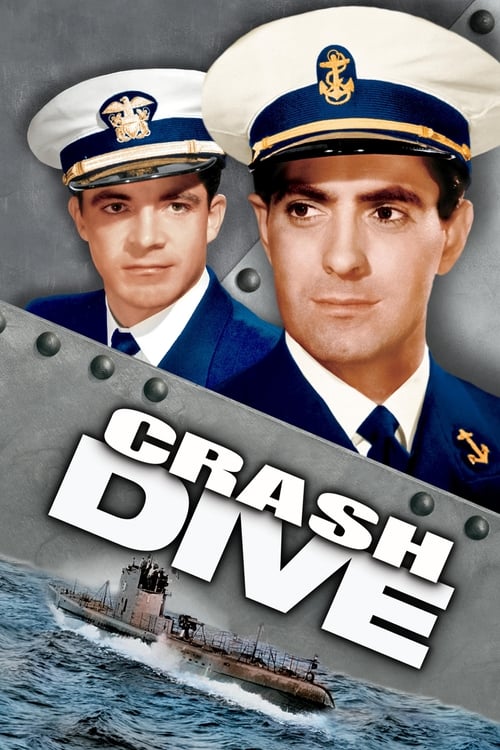
Crash Dive
1943
No user ratings available yet
Representation score: 0.3 out of 10

Representation Score
Minimal
1951
ApprovedDirector
Michael Curtiz
Runtime
99 minutes
Average Rating
No ratings yetNew Showbiz Analysis
Force of Arms is a classic mid-century war drama that upholds traditional heroism and clear moral distinctions. The narrative structure supports established social hierarchies and conventional romantic relationships. The film serves as a celebration of institutional loyalty and duty, without challenging the social constraints of the 1950s studio system. It reflects the demographic and cultural norms of its time, focusing on a homogeneous American platoon and standard gender roles.
Category Breakdown
The film focuses on heterosexual relationships, with no depiction of same-sex intimacy. The plot revolves around a wartime romance between Joe Peterson and Eleanor MacKay.
Eleanor MacKay holds a professional position as a WAC lieutenant but primarily serves as a romantic foil to the male lead. The story emphasizes male combat roles.
The cast is uniform, reflecting the demographics typical of 1950s studio productions. There is no racial blending or diverse casting.
The film celebrates military institutions and patriotic duty, reinforcing established social orders and Western frameworks without critiquing religious or capitalist systems.
There are no prominent depictions of physical or neurodivergent disabilities. Characters are defined by their ability to engage in combat.
Present on Screen
Limited or Absent
Official Synopsis
During the winter of 1943, the German Army halted the American advance in the mountains of Italy; back-and-forth combat decimates Joe Peterson's platoon. On leave in Naples, Joe meets WAC lieutenant Eleanor MacKay; initially cool, she begins to melt during a bombing raid. Their romance develops despite Joe's periodic returns to the front. But whether he'll come back in the end becomes more than doubtful.
1943

1932

1958
1958
1944

1953

1957

1957
No reviews yet. Be the first to share your thoughts on this movie!
Use the rating form above to leave a star rating and optional review.