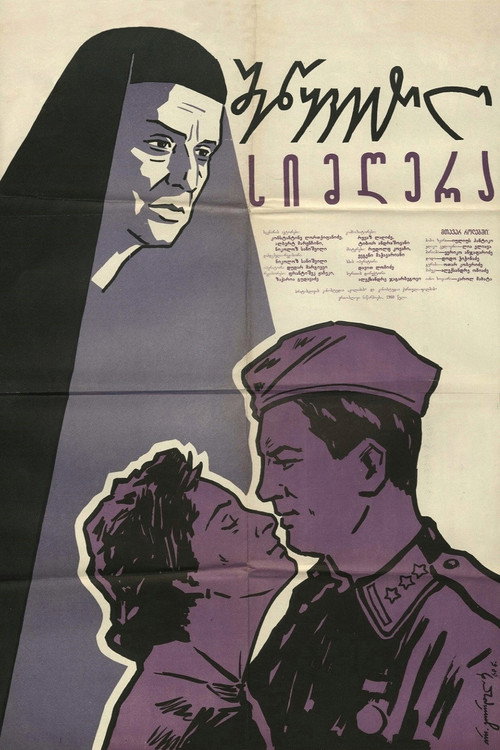
Interrupted Song
1960
No user ratings available yet
Representation score: 2.4 out of 10
Representation Score
Limited
1951
Director
Yves Allégret
Runtime
98 minutes
Average Rating
No ratings yetNew Showbiz Analysis
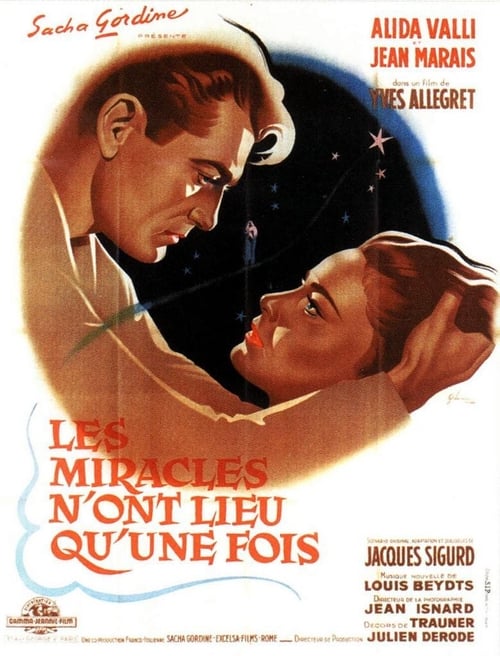
Miracles Only Happen Once is a period romance that closely follows the social and narrative conventions of 1950s European cinema. The plot revolves around a typical wartime separation and reunion storyline, emphasizing the emotional vulnerability of a heterosexual couple. The film presents a homogeneous social landscape typical of its era, lacking diverse identities or multi-layered depth. It does not attempt to challenge traditional hierarchies or introduce varied representations, functioning instead as a classic portrayal of romantic connection amid historical turmoil. Overall, the work serves as a traditional mid-century drama that emphasizes traditional romantic trajectories over progressive representation or social critique.
Category Breakdown
The film focuses on a traditional heterosexual relationship between Claudia and Jérôme. There are no visible non-binary gender identities or narratives that question the assumption that everyone is straight or cisgender.
The story looks at how war affects personal relationships. However, it is unclear whether the move towards a marriage of convenience challenges or reinforces traditional gender roles.
Set during the beginning of World War II, the film portrays a socially uniform European setting. There is no indication of a multi-ethnic cast.
The narrative follows conventional Western ideas about marriage and love. It does not explicitly challenge the social structures or institutions of the time.
The film does not include any characters with physical, sensory, or neurodevelopmental disabilities.
Present on Screen
Limited or Absent
Official Synopsis
1939 : what a beautiful year for Claudia and Jerôme. No sooner do they meet that they are under each other's spell. 1939 : what a horrible year for the two lovers : war breaks out before they can get married. They meet again after the war but the enchantment has vanished. They decide to marry but it will be for reason, not for love. Miracles only happen once.
1960
1958
1954
1957
1953
1955
1965
1940
No reviews yet. Be the first to share your thoughts on this movie!
Use the rating form above to leave a star rating and optional review.