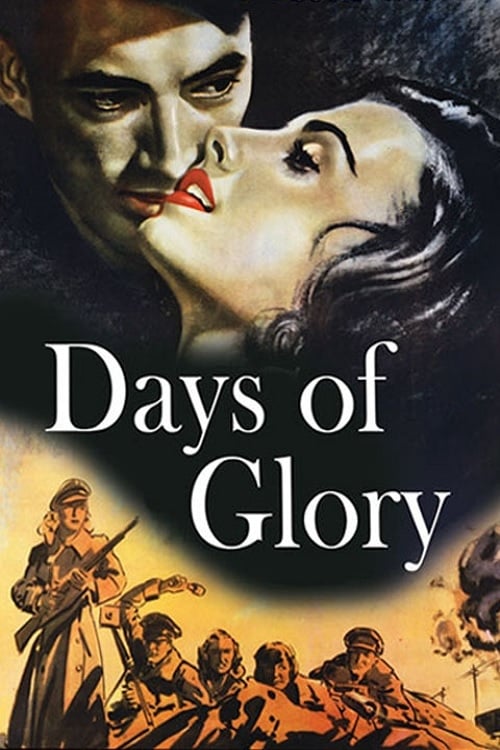
Days of Glory
1944
No user ratings available yet
Representation score: 4.2 out of 10
Representation Score
Limited
1960
ApprovedDirector
Nunnally Johnson
Runtime
95 minutes
Average Rating
No ratings yetNew Showbiz Analysis
The film adheres to traditional wartime storytelling, emphasizing conventional narratives over challenging social hierarchies. It avoids simplistic moral binaries by delving into situational ethics during wartime, but it remains rooted in the conventions of its time. Representation of gender and sexuality follows mid-century norms, focusing on a male-centric journey and straight-centered romance. The narrative does not intentionally address multi-layered or systemic diversity issues.
Category Breakdown
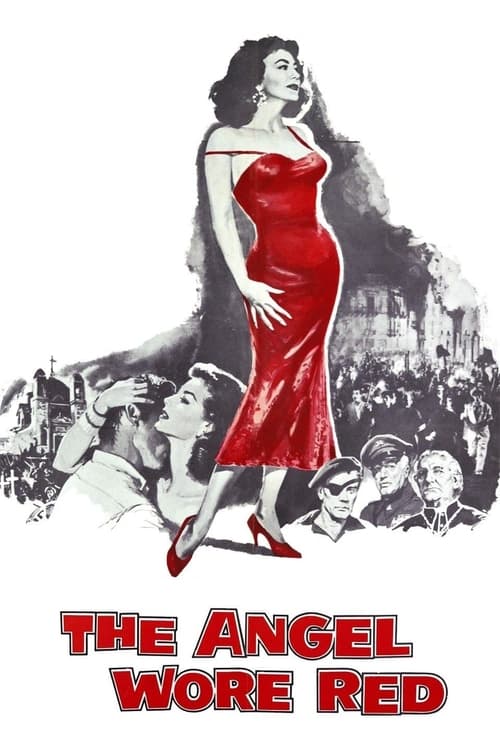
The film centers on romantic tension between a clergyman and an entertainer, assuming both are straight and cisgender. There are no representations of same-sex relationships or non-cisgender identities.
While there is a central female character, she mainly serves as a romantic interest rather than an independent political figure. Narrative control remains with the male protagonist.
The Spanish Civil War setting provides a European backdrop, but the film seems to adhere to the Eurocentric casting standards typical of 1960s productions.
The story examines the intersection of religious calling and political upheaval, offering a nuanced perspective on ethical dilemmas faced by a clergyman caught in a secular conflict.
There are no significant portrayals of physical or neurodivergent disabilities that play a key role in the narrative or drive the plot.
Present on Screen
Limited or Absent
Official Synopsis
A clergyman travels to Spain to join the Loyalist side during the Spanish Civil War and finds himself attracted to a beautiful entertainer.
1944
1943
1937
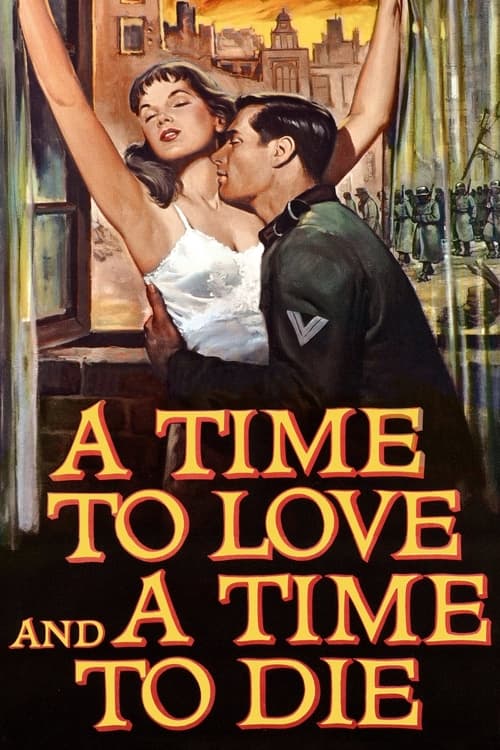
1958
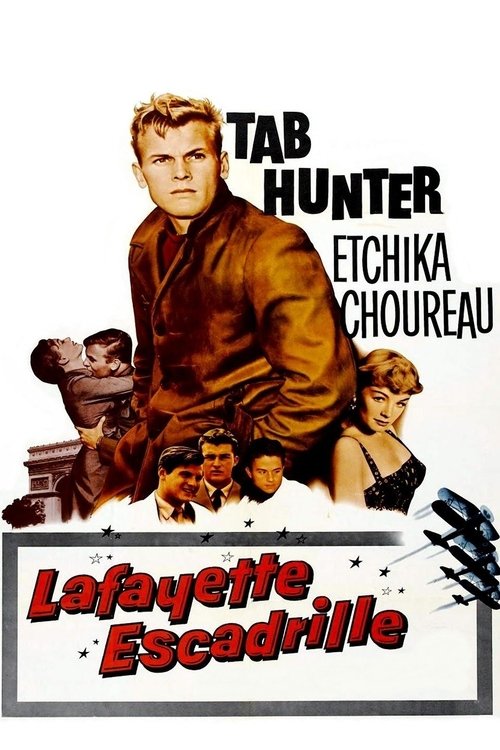
1958
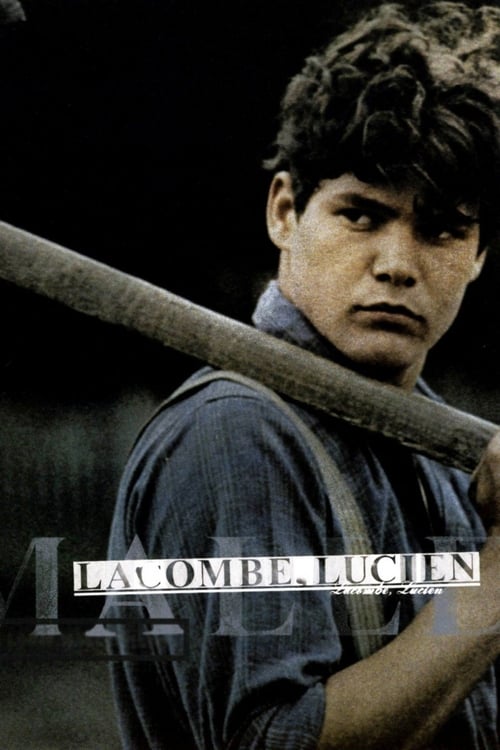
1974

2016
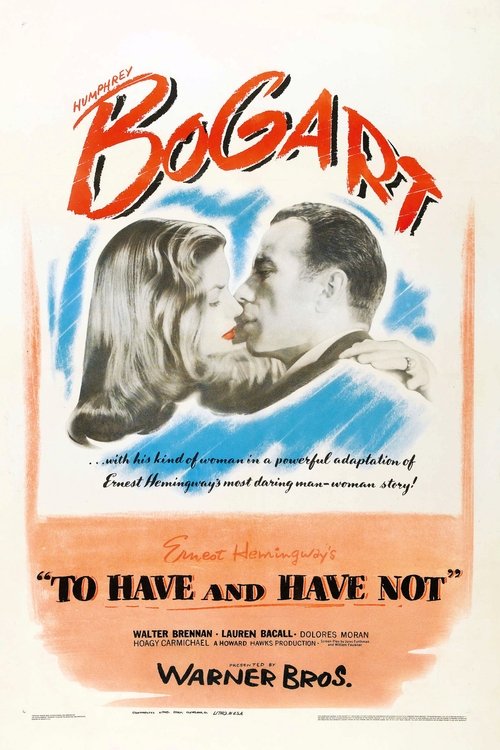
1945
No reviews yet. Be the first to share your thoughts on this movie!
Use the rating form above to leave a star rating and optional review.