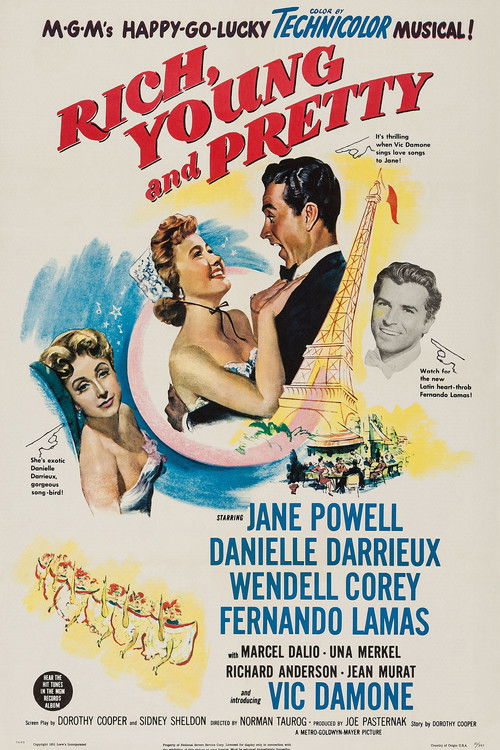
Rich, Young and Pretty
1951
No user ratings available yet
Representation score: 2.0 out of 10

Representation Score
Minimal
1960
PGDirector
Norman Taurog
Runtime
104 minutes
Average Rating
No ratings yetNew Showbiz Analysis
G.I. Blues is a classic mid-century musical comedy that reflects the social and institutional norms of its time. Its narrative structure emphasizes traditional Western values, such as military hierarchy and personal romance. The film does not aim to challenge established social hierarchies but rather reinforces the cultural and institutional values of early 1960s America. It focuses on straightforward storytelling and the pursuit of individual success within a capitalist framework. Overall, the film serves as a celebration of the cultural and institutional values of 1960s America, without delving into deeper narrative complexities regarding systemic issues.
Category Breakdown
The film does not include any representations of LGBTQ+ identities or relationships.
The film follows traditional gender roles of the mid-20th century, where women primarily support the male lead’s journey.
The cast and setting reflect a uniform demographic typical of the time, lacking diverse racial or ethnic representation.
The film upholds traditional Western institutions and celebrates the optimistic spirit of mid-century America. It portrays the military with a mix of humor and respect, avoiding criticism.
The film does not depict any characters with visible or invisible disabilities, nor does it address themes related to neurodivergence or physical limitations.
Present on Screen
Limited or Absent
Official Synopsis
Stationed in West Germany, soldier Tulsa McLean hopes to open a nightclub once he's discharged. Although he may lack the capital for such a venture, a chance to raise the cash comes his way through a friendly wager. Local dancer Lili is a notorious ice queen, and Tulsa bets everything he has that a friend of his can earn her affections. But when the friend is dispatched to Alaska, it's up to Tulsa to melt Lili's heart.
1951
1958

1966

1963

1944
1951
1955
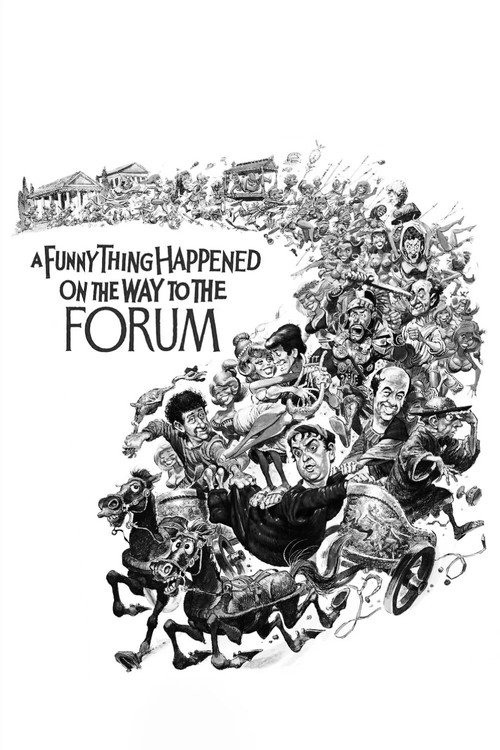
1966
No reviews yet. Be the first to share your thoughts on this movie!
Use the rating form above to leave a star rating and optional review.