
Can-Can
1960
No user ratings available yet
Diversity score: 1.5 out of 10

1955
NRDirector
Stanley Donen, Gene Kelly
Runtime
102 minutes
Average Rating
No ratings yetSynopsis
Three World War II buddies promise to meet at a specified place and time 10 years after the war. They keep their word only to discover how far apart they've grown. But the reunion sparks memories of youthful dreams that haven't been fulfilled -- and slowly, the three men reevaluate their lives and try to find a way to renew their friendship.
Overall Score
Limited
Category Breakdown
LGBTQ+ Representation
The film relies on traditional heteronormative romantic structures. The plot centers on the male protagonists' relationships with female counterparts, offering no non-cisnormative identities or critiques of standard romantic paradigms.
Gender Representation
Male protagonists drive the professional and emotional plot. While female leads possess agency in romantic subplots, they primarily function as foils within a traditional gender hierarchy and male-centric perspective.
Racial & Ethnic Diversity
The cast reflects the demographic homogeneity of 1950s studio productions. The narrative focuses on a predominantly white group of musicians, lacking characters of color in positions of agency.
Religious & Cultural Diversity
The story explores the tension between artistic integrity and commercial success. However, these themes are framed as standard professional struggles rather than a systemic critique of social or Western institutions.
Disability Representation
There are no prominent depictions of visible or invisible disabilities. Characters are portrayed within the standard physical and neurotypical parameters typical of the musical genre.
Strengths
Areas for Improvement
AI Analysis
This musical comedy serves as a period-specific artifact of 1955 Hollywood, reflecting the era's conventional social and demographic hierarchies. The narrative focuses on a homogeneous group of white, working-class musicians navigating the complexities of professional ambition and friendship. While the film offers a sophisticated look at the moral tensions of commercialized art, it remains within the bounds of mid-century social norms. It lacks intersectional representation and does not engage in deconstructing traditional gendered or Western power dynamics. Ultimately, the film prioritizes traditional romantic and professional structures, reinforcing the standard social baselines of its time rather than challenging them.
1960
1950

1960
1948

1948
1953
1944
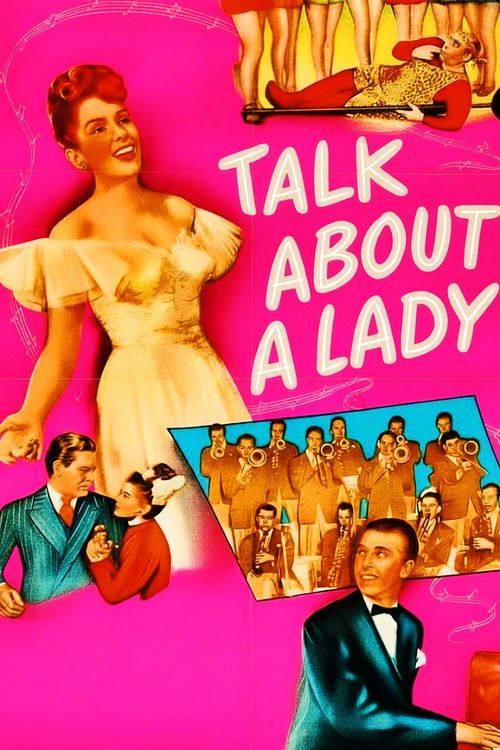
1946
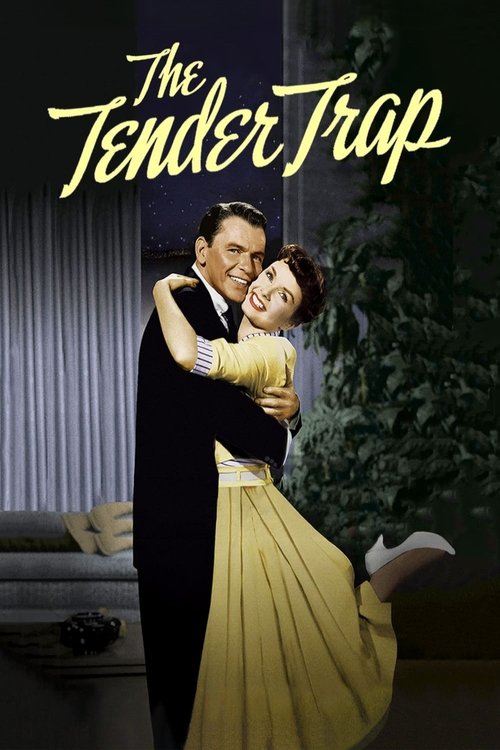
1955
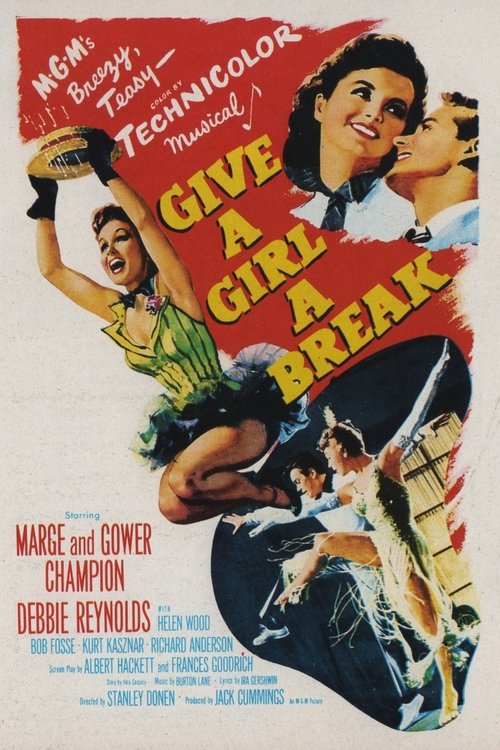
1953
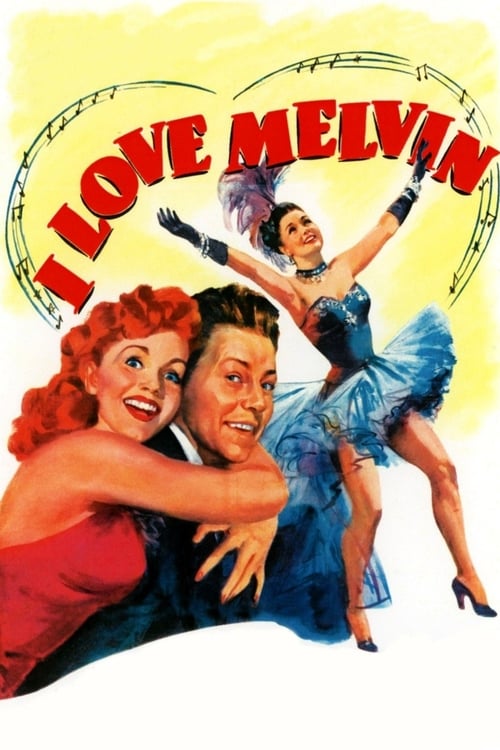
1953

1944
No reviews yet. Be the first to share your thoughts on this movie!
Use the rating form above to leave a star rating and optional review.