
Five and Ten
1931
No user ratings available yet
Diversity score: 2.2 out of 10

1933
PassedDirector
Richard Thorpe
Runtime
65 minutes
Average Rating
No ratings yetSynopsis
Papa Strauss, a widower, is being shifted around from one married-son's home to the other, and is unwelcome at all because his daughter-in-laws' object to his smelly pipe smoking. Finally the family tucks him 'out of sight and out of mind' into a nursing home, with very little 'honor thy father' thought given to it. However, unmarried daughter, Lena, who loves her father dearly, has a bright fiancée, who makes a lot of money off of a patent, and they make a home for him.
Overall Score
Limited
Category Breakdown
LGBTQ+ Representation
The film operates within a strictly heteronormative framework. There are no discernible LGBTQ+ characters or explorations of non-normative identities.
Gender Representation
Lena provides the film's emotional agency, yet female characters largely function within traditional domestic roles. The conflict centers on friction between daughters-in-law and the patriarchal figure.
Racial & Ethnic Diversity
The narrative focuses on a homogeneous, white-centric social structure. There is no evidence of racial blending or characters of color with meaningful agency.
Religious & Cultural Diversity
The story explores the breakdown of the nuclear family and traditional Western duties. It ultimately reinforces social stability through a new, conventional domestic unit.
Disability Representation
There is no evidence of characters with visible or invisible disabilities within the narrative.
Strengths
Areas for Improvement
AI Analysis
Forgotten is a standard 1930s melodrama that reinforces the social and domestic hierarchies of its era. The plot follows the displacement of a widower, Papa Strauss, by his sons, only to be rescued by his daughter's romantic and financial success. The film lacks intersectional complexity, presenting a homogeneous worldview. It relies on traditional familial structures and socioeconomic status quo rather than challenging existing power dynamics or exploring diverse identities. While the daughter provides a central emotional arc, the film remains firmly rooted in the conventional cinematic constraints of the early 20th century.
1931
1947

1936
1954

1939
1942
1923
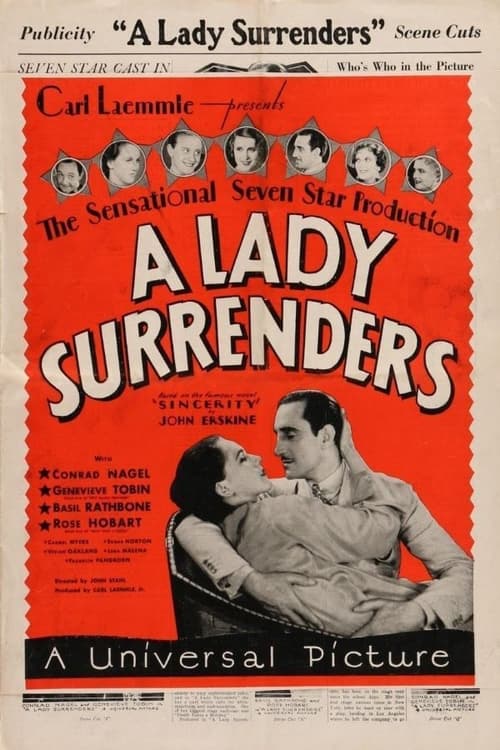
1930
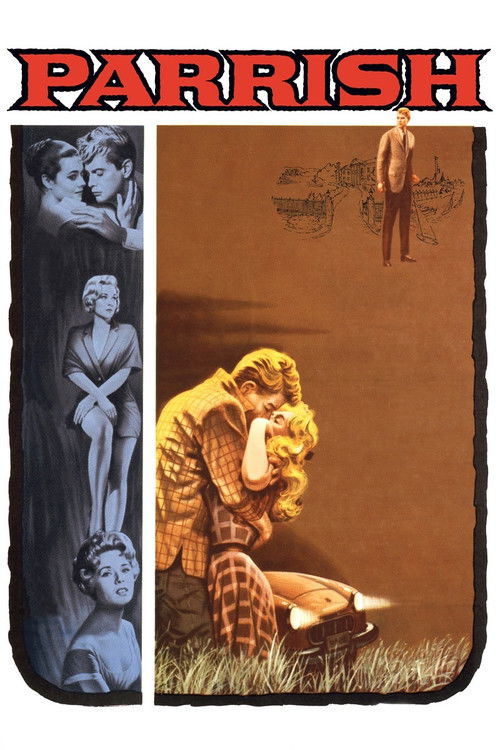
1961
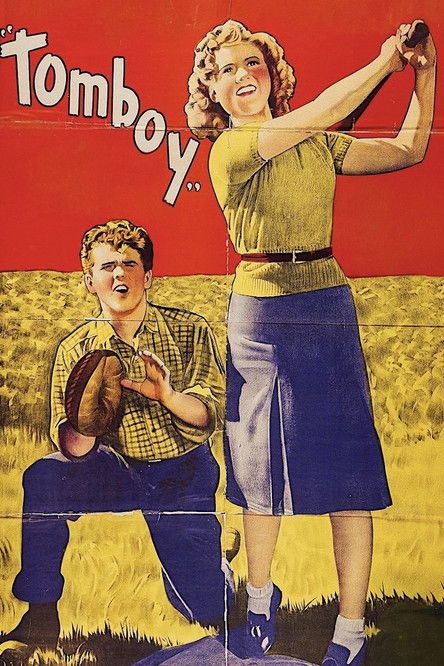
1940
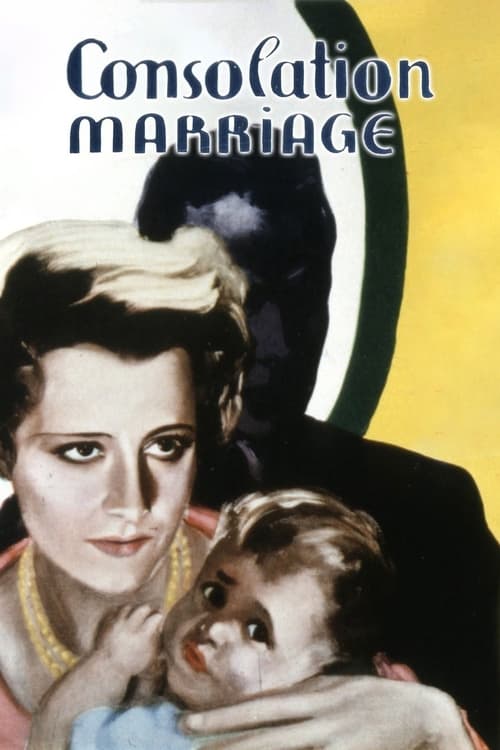
1931

1959
No reviews yet. Be the first to share your thoughts on this movie!
Use the rating form above to leave a star rating and optional review.