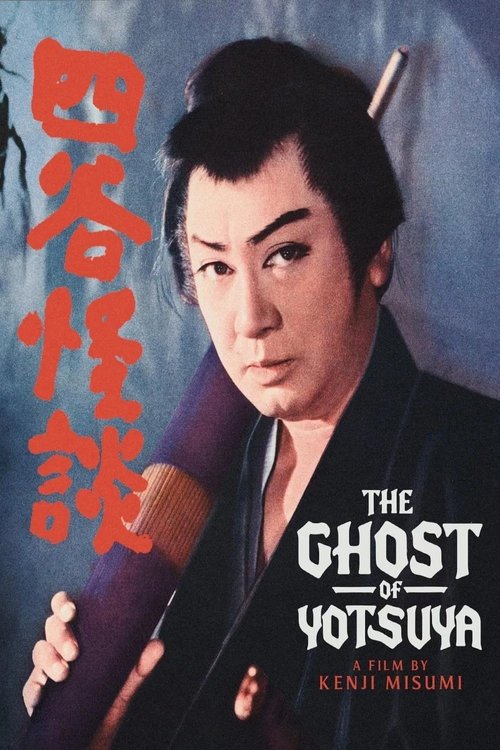
The Ghost of Yotsuya
1959
No user ratings available yet
Representation score: 4.4 out of 10
Representation Score
Limited
1958
Director
Nobuo Nakagawa
Runtime
69 minutes
Average Rating
No ratings yetNew Showbiz Analysis
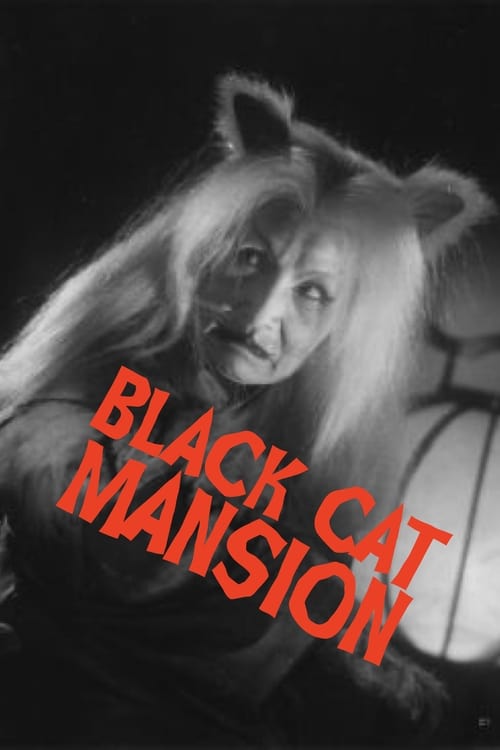
Black Cat Mansion is a period horror drama that employs supernatural elements to explore historical trauma. While it lacks modern characters who reflect more than one aspect of diversity, it challenges traditional hierarchies by focusing on the descendants of the oppressed rather than the ruling class. The film uses the cliché of vengeful spirits to give a voice to those underrepresented by rigid social structures. This thematic focus allows the narrative to critique the morality of the historical elite through the lens of spiritual retribution. Ultimately, the film's diversity lies in its social commentary rather than its casting. It examines class-based oppression and the lingering consequences of systemic violence through its central conflict.
Category Breakdown
The film does not include any characters or stories related to LGBTQ+ identities or non-straight relationships.
A female character leads the story, facing the legacy of male-driven violence. She plays a central role while battling the oppressive forces of a cruel samurai.
The cast is predominantly Japanese, reflecting a culturally homogeneous setting. However, the film delves into internal social hierarchies and the tension between servants and samurais.
The story critiques the historical ruling elite by portraying the samurai class as a source of systemic cruelty. Spiritual justice serves as a means for the underrepresented.
There is no information available regarding characters with physical or neurodivergent disabilities within the film's context.
Present on Screen
Limited or Absent
Official Synopsis
The descendant of the servant of a cruel and vicious samurai returns to the town where she was born, only to find that a cat who is possessed by the spirits of those murdered by the samurai is trying to kill her.
1959
1968
1982
1960
1961
1988
2010
1972
No reviews yet. Be the first to share your thoughts on this movie!
Use the rating form above to leave a star rating and optional review.