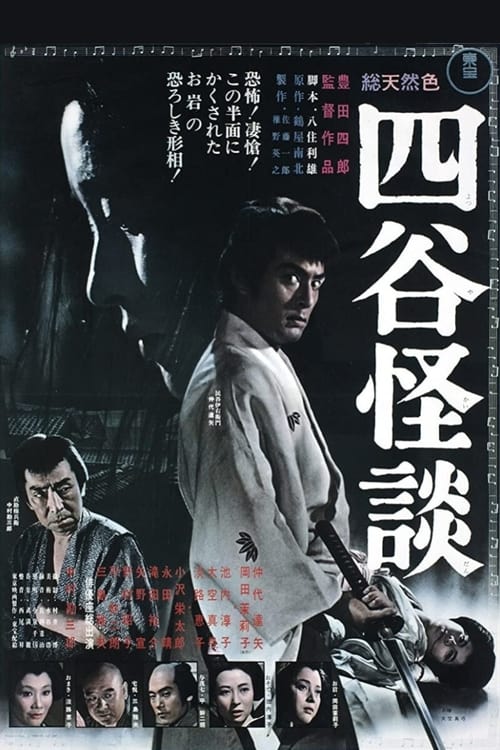
Illusion of Blood
1965
No user ratings available yet
Representation score: 2.4 out of 10
Representation Score
Good
1968
Director
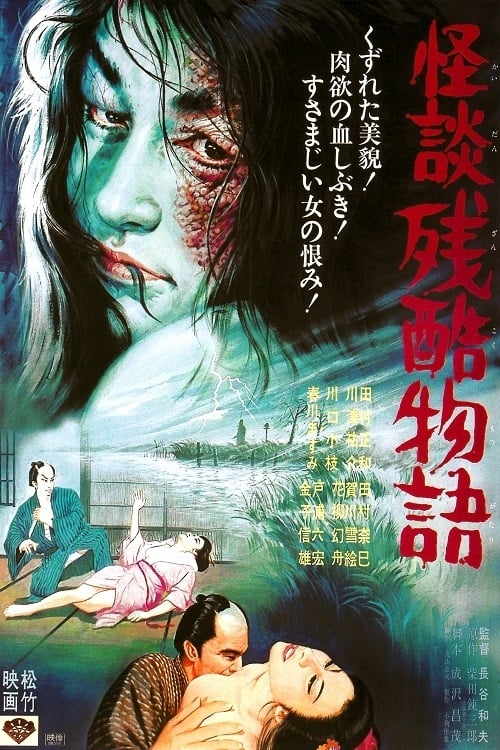
Kazuo Hase
Runtime
88 minutes
Average Rating
No ratings yetNew Showbiz Analysis
Curse of the Blood is a traditional period piece that emphasizes moral relativism over modern multi-layered markers. It dismantles the heroic samurai archetype by focusing on the cyclical nature of karma and the corruption of the family unit. While the film provides a meaningful role for a character with a disability, it remains limited in its scope regarding gender and sexual identity. The narrative structure reinforces traditional hierarchies, often positioning women as victims of male-driven actions. Ultimately, the film serves as an authentic cultural snapshot of 1968 Japanese horror, though it lacks the diverse representation found in contemporary cinema.
Category Breakdown
This film does not include any LGBTQ+ characters or non-straight identities. The story revolves around the family and the consequences of violence.
The story centers on a male samurai and his influence on his family. Female characters are portrayed as part of a cycle of violence driven by patriarchal structures rather than active agents.
As a 1968 Japanese production, the cast is culturally uniform. It presents an authentic reflection of its historical context without attempting to diversify the cast.
The film challenges the 'noble warrior' stereotype by depicting the protagonist's actions as a cause of destruction. It examines morality through the lens of karmic retribution and systemic consequences.
A blind man plays a pivotal role in the narrative. His disability is central to the plot, serving as a key driver of the film's moral and supernatural elements.
Present on Screen
Limited or Absent
Official Synopsis
A samurai kills a blind man who tells him to repay his debts. Because of the samurai's actions his entire family is to bear a terrible curse.
1965
1968
1957
1964

1969

1972
1958
1968
No reviews yet. Be the first to share your thoughts on this movie!
Use the rating form above to leave a star rating and optional review.