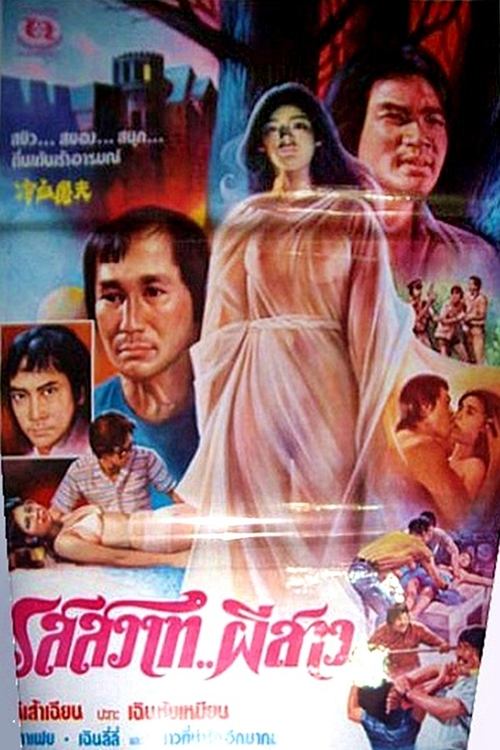
Ghost Festival
1985
No user ratings available yet
Representation score: 3.9 out of 10

Representation Score
Good
1980
Not RatedDirector
Kuei Chih-hung
Runtime
94 minutes
Average Rating
No ratings yetNew Showbiz Analysis
Hex stands out for its subversion of gendered power dynamics. The film empowers female figures to dismantle oppressive domestic structures, disrupting the traditional social order of its period setting. While the film excels in its portrayal of women's ability to drive the story, it remains limited in its representation of identity. The lack of LGBTQ+ presence and the homogeneous cast reflect the era's production constraints. Ultimately, the film uses physical illness and traditional social hierarchies as narrative tools to drive its horror, prioritizing plot momentum over nuanced explorations of disability or diverse identities.
Category Breakdown
The film does not include explicit representations of LGBTQ+ identities or same-sex intimacy. The story focuses on the existing domestic unit without addressing non-straight relationships.
The story centers on two women who transition from passive victims to active agents of lethal retribution. By showing them conspiring against a cruel husband, the film challenges traditional portrayals of submissive femininity.
The cast is ethnically homogeneous, consistent with Shaw Brothers productions. It maintains a culturally specific authenticity to its rural Chinese setting without promoting Western-centric norms.
The narrative critiques traditional social institutions by portraying marriage as a site of entrapment. It uses folk spirituality and shamanistic elements rather than organized, institutionalized religion.
The protagonist's tuberculosis drives the plot, but the depiction leans toward the frail victim cliché. Her physical decline serves primarily as a catalyst for horror elements.
Present on Screen
Limited or Absent
Official Synopsis
Constantly mistreated by her cruel husband, the frail Chan Sau-ying awaits certain death from tuberculosis. The new servant girl, Kei-wah takes pity on her mistress' plight and the pair proceed to drown him one evening. They dump his body in a near-by pond but Sau-ying believes that the man's bloated corpse has risen from the bog to seek vengeance.
1985
2013
1982
1985
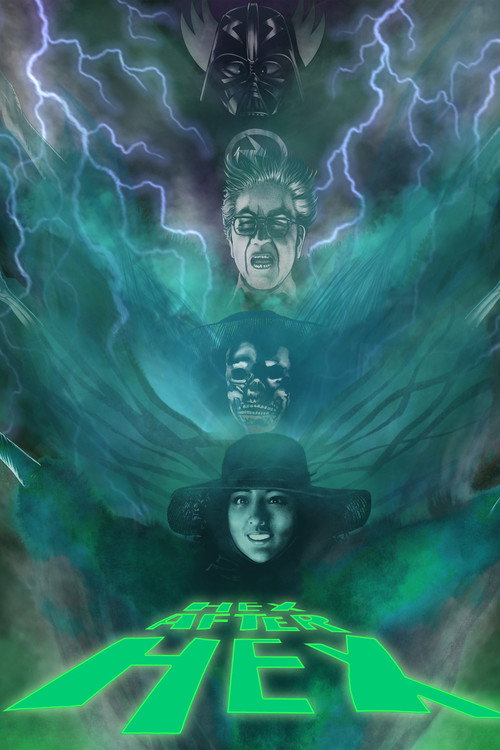
1982
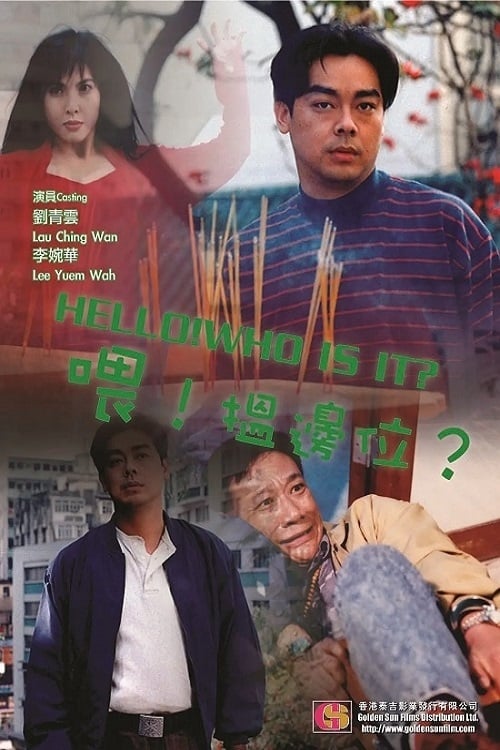
1994
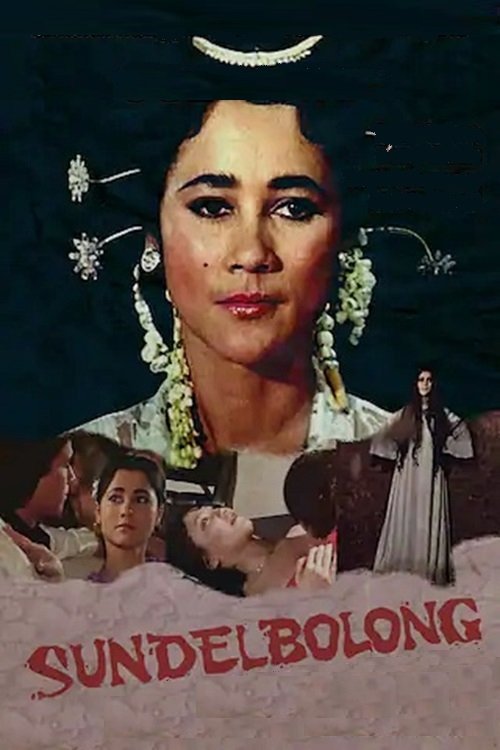
1981
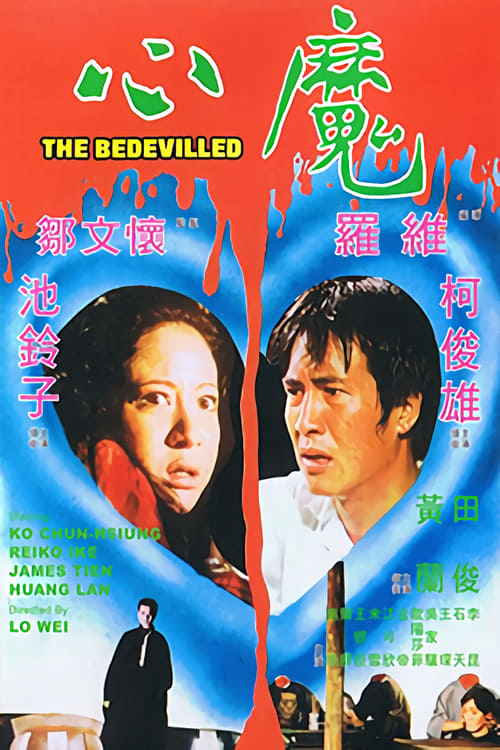
1975
No reviews yet. Be the first to share your thoughts on this movie!
Use the rating form above to leave a star rating and optional review.